
Some Suggestions and Secrets to slip inside your Guide Book
Text by Fredo / Photos by Mike
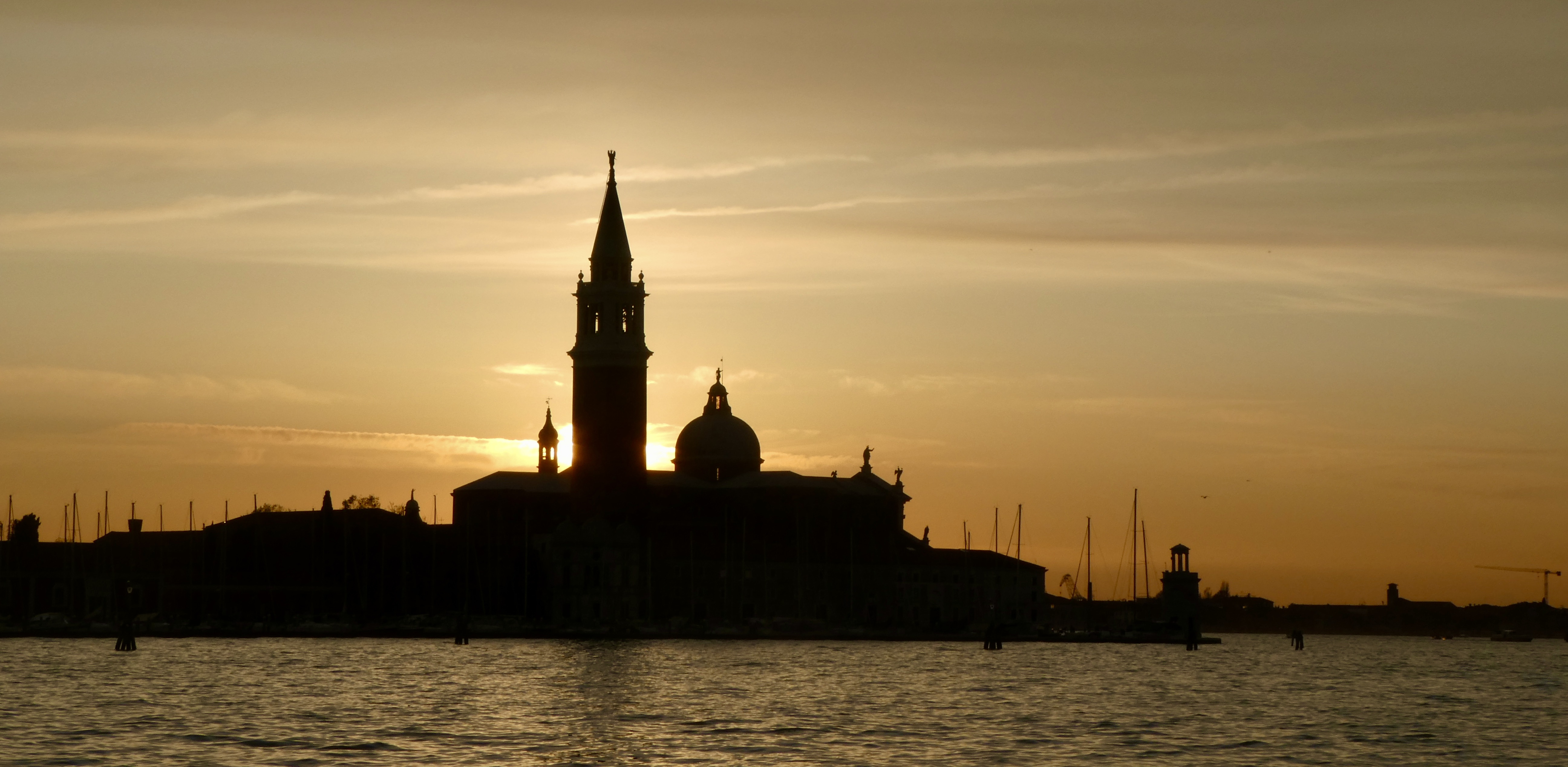
CLICK ON THE INDIVIDUAL IMAGES TO ENLARGE
(Images take a short while to load depending on your device)
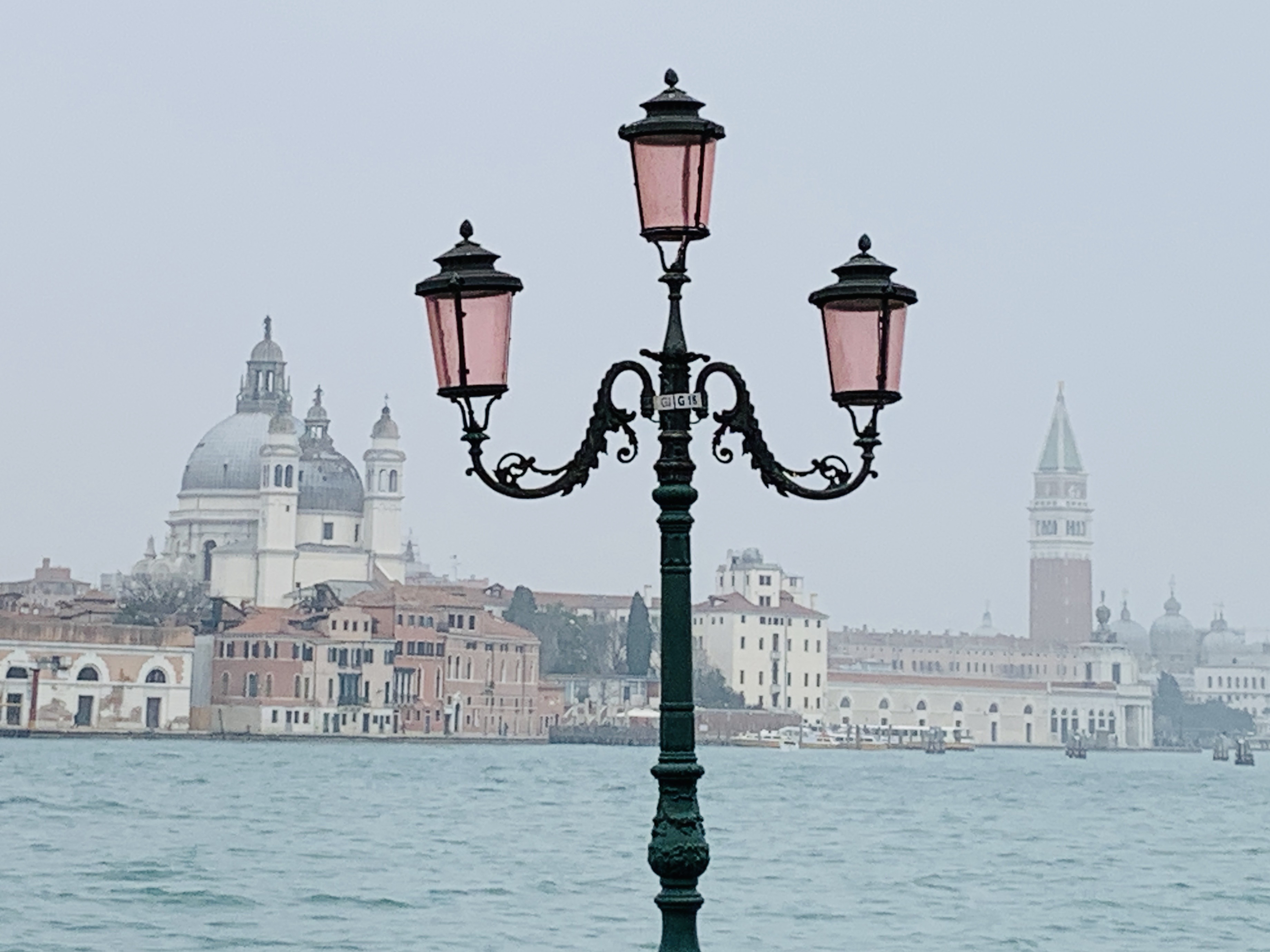
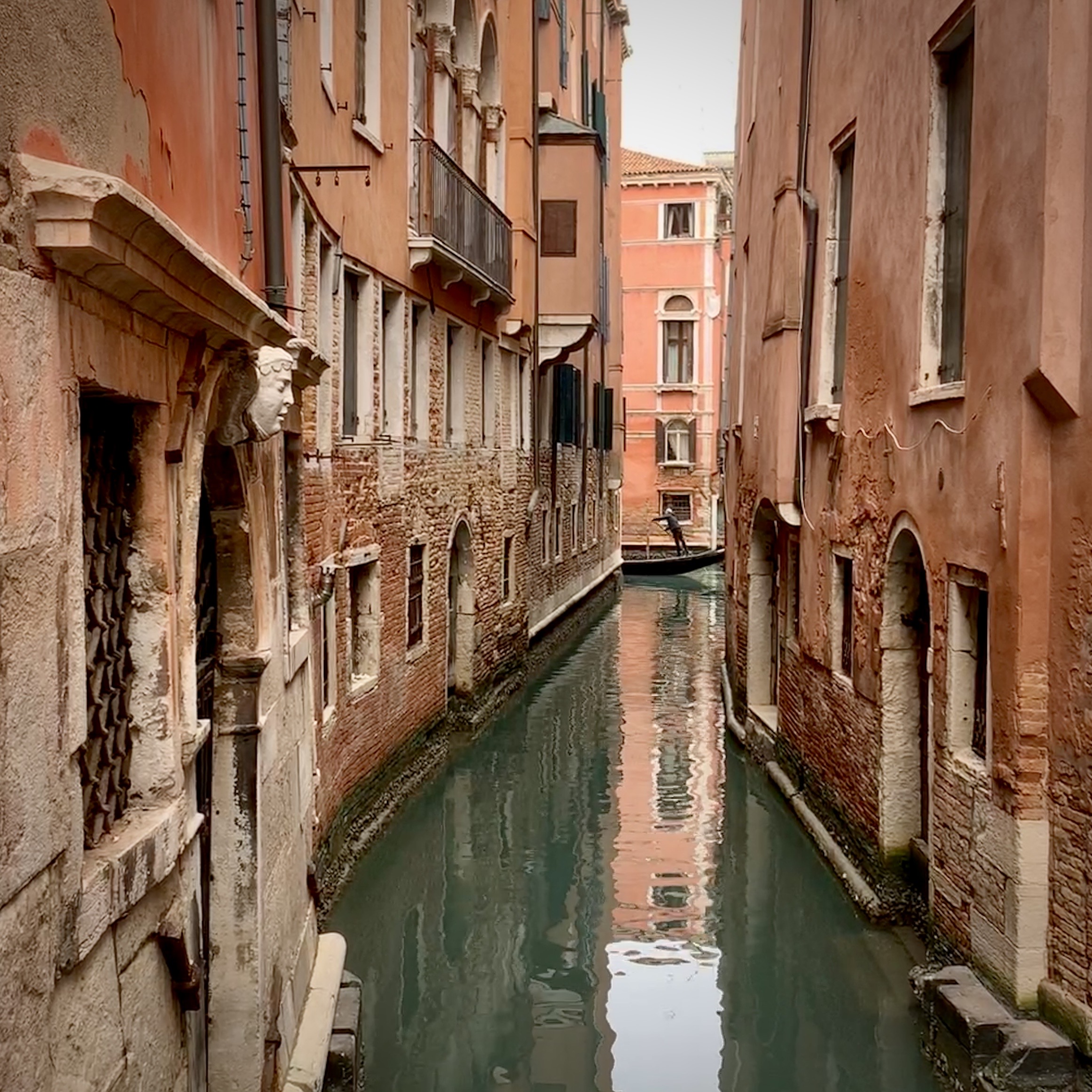
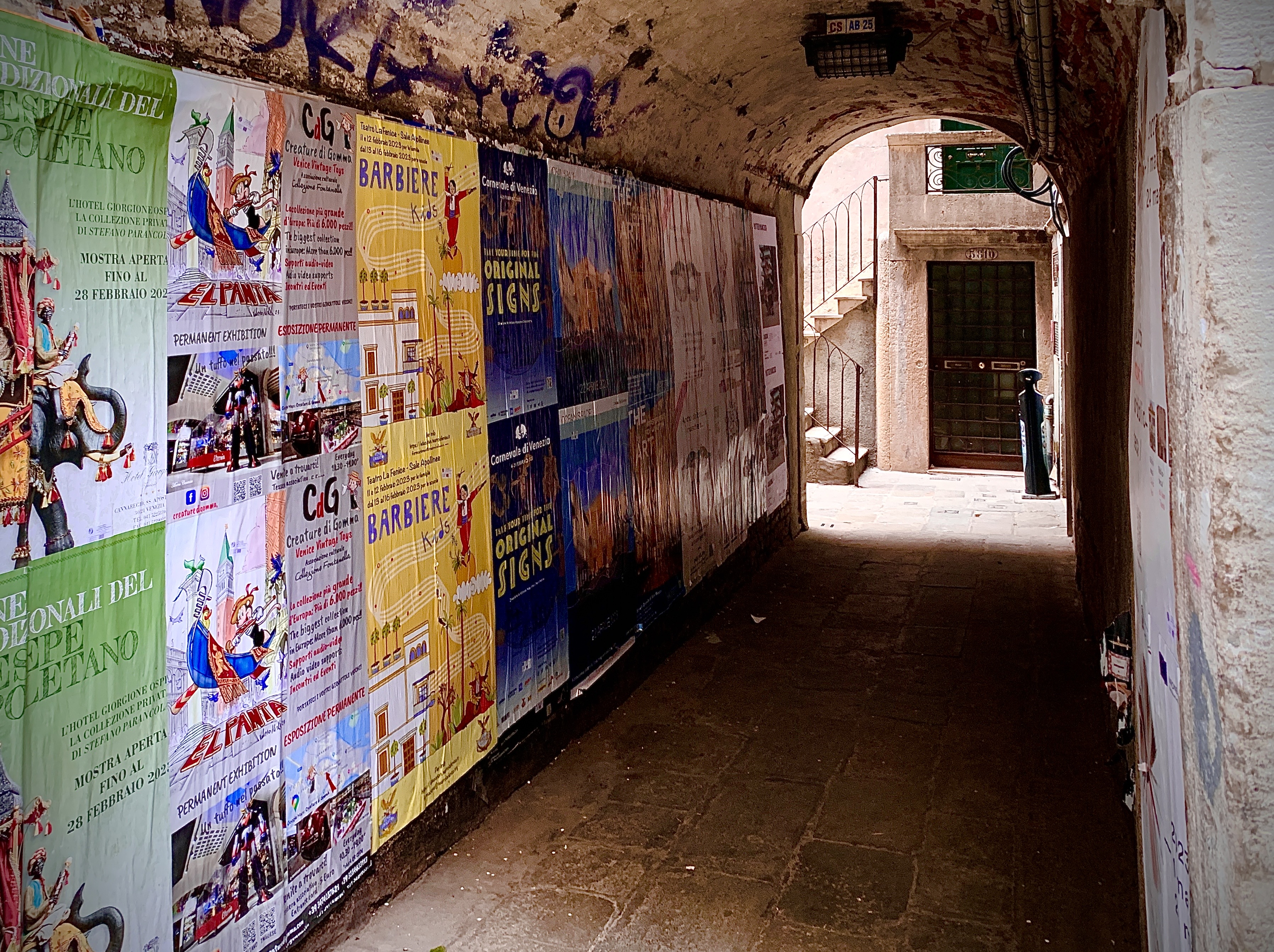
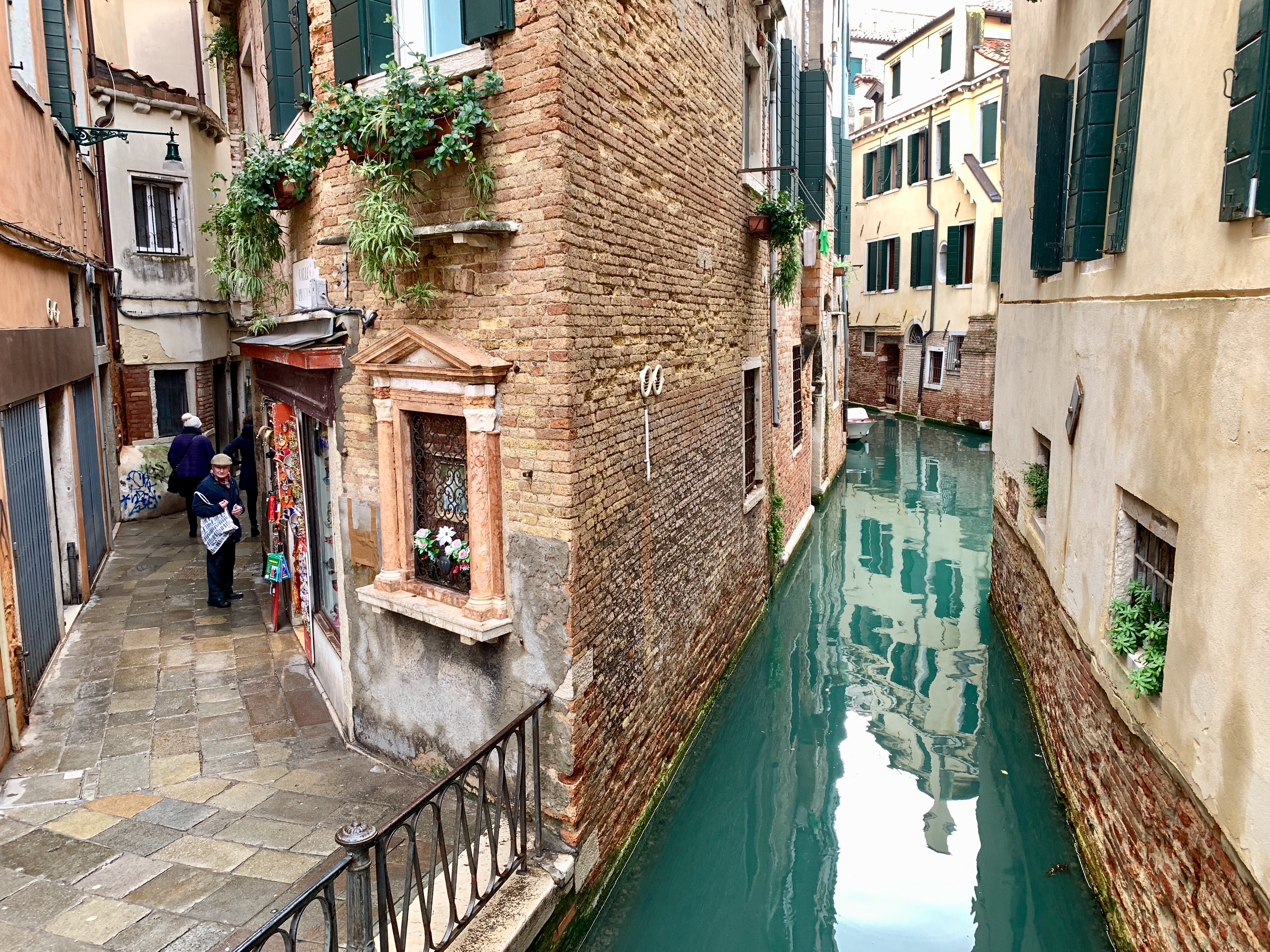
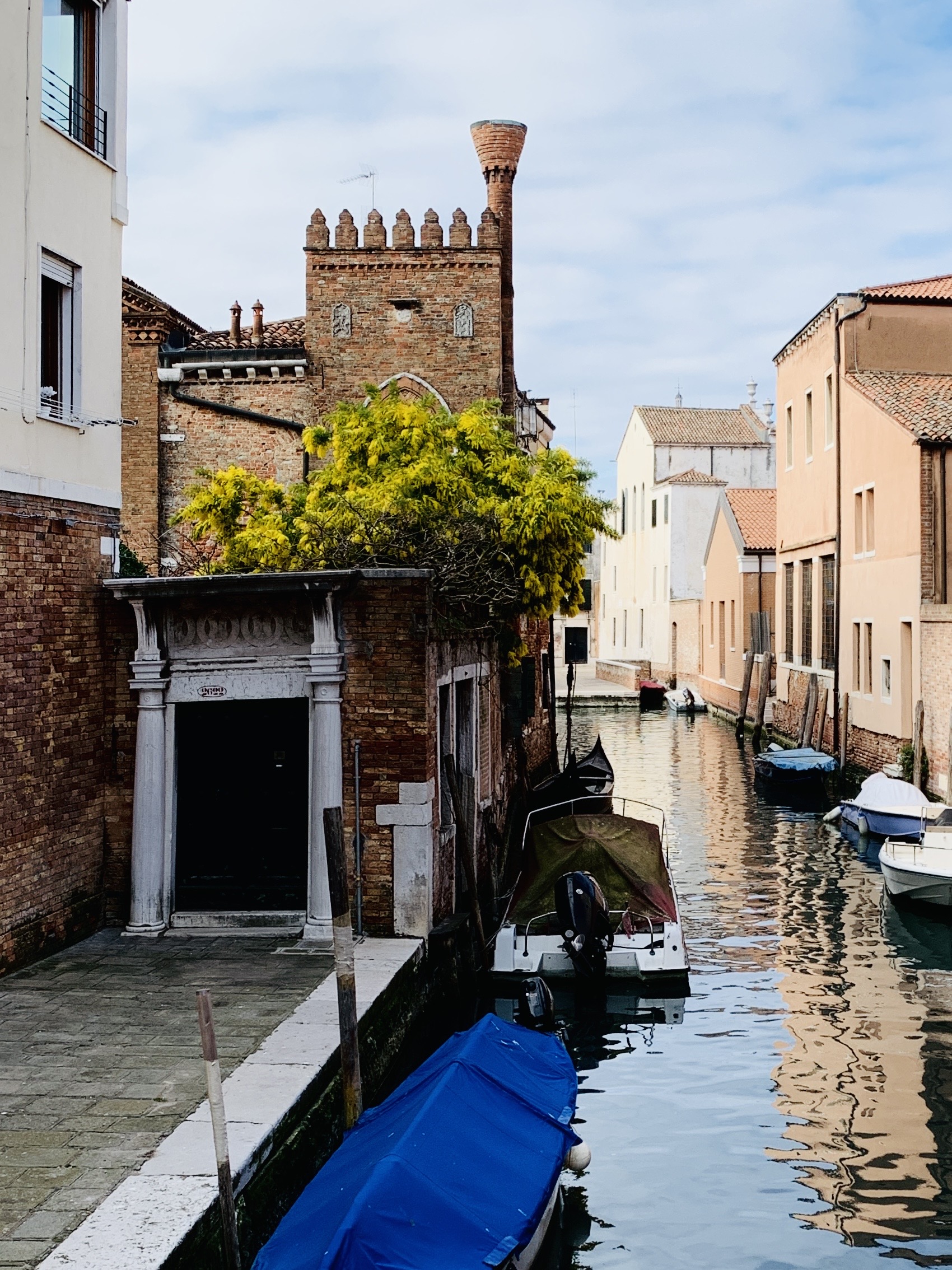
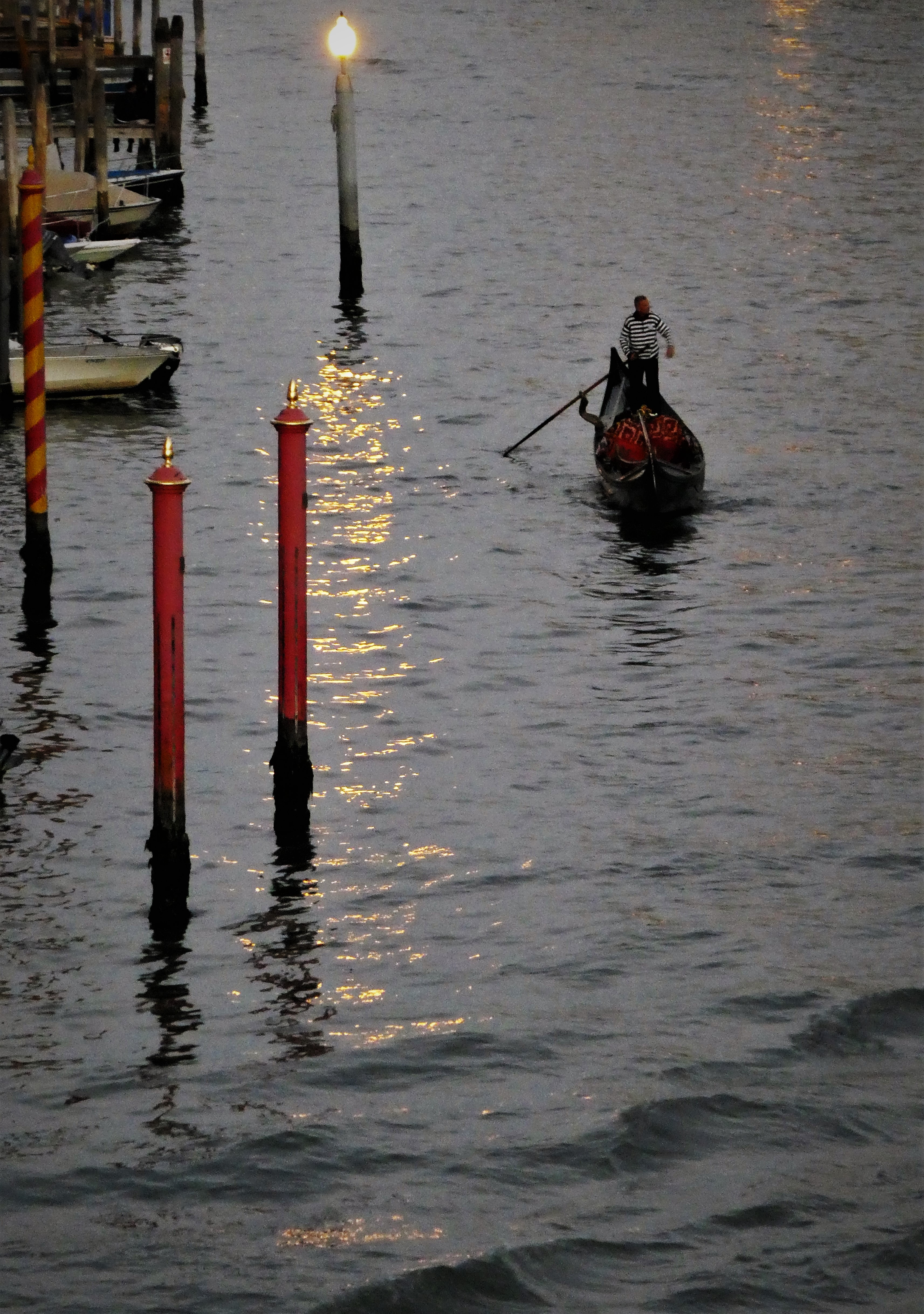
As we try to visit Venice regularly, several friends have asked us to provide them with a few tips for their own visit and so we have jotted down some notes which we hope will be helpful. We have also added some photos to whet your appetite for this most wondrous of cities.
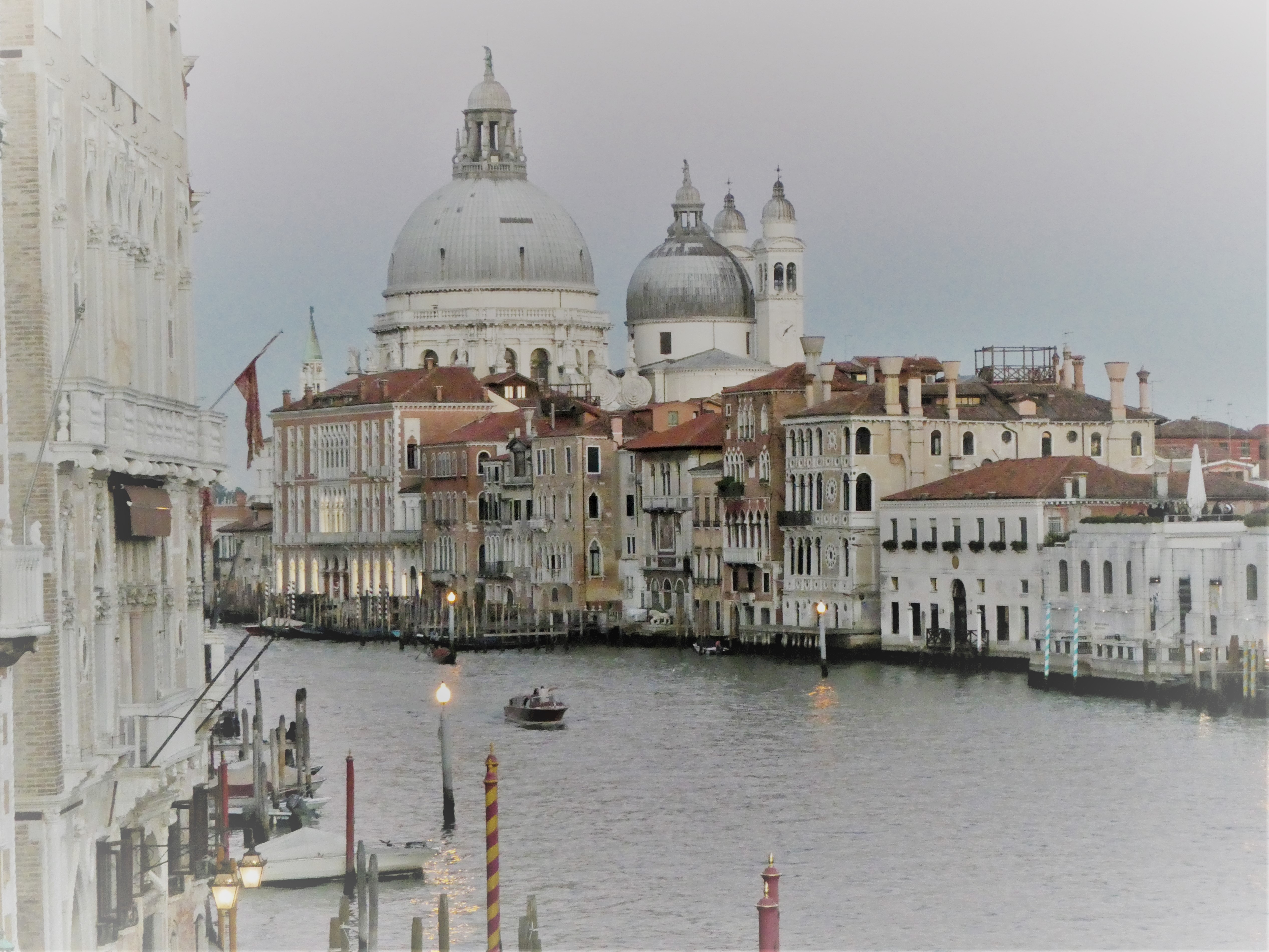
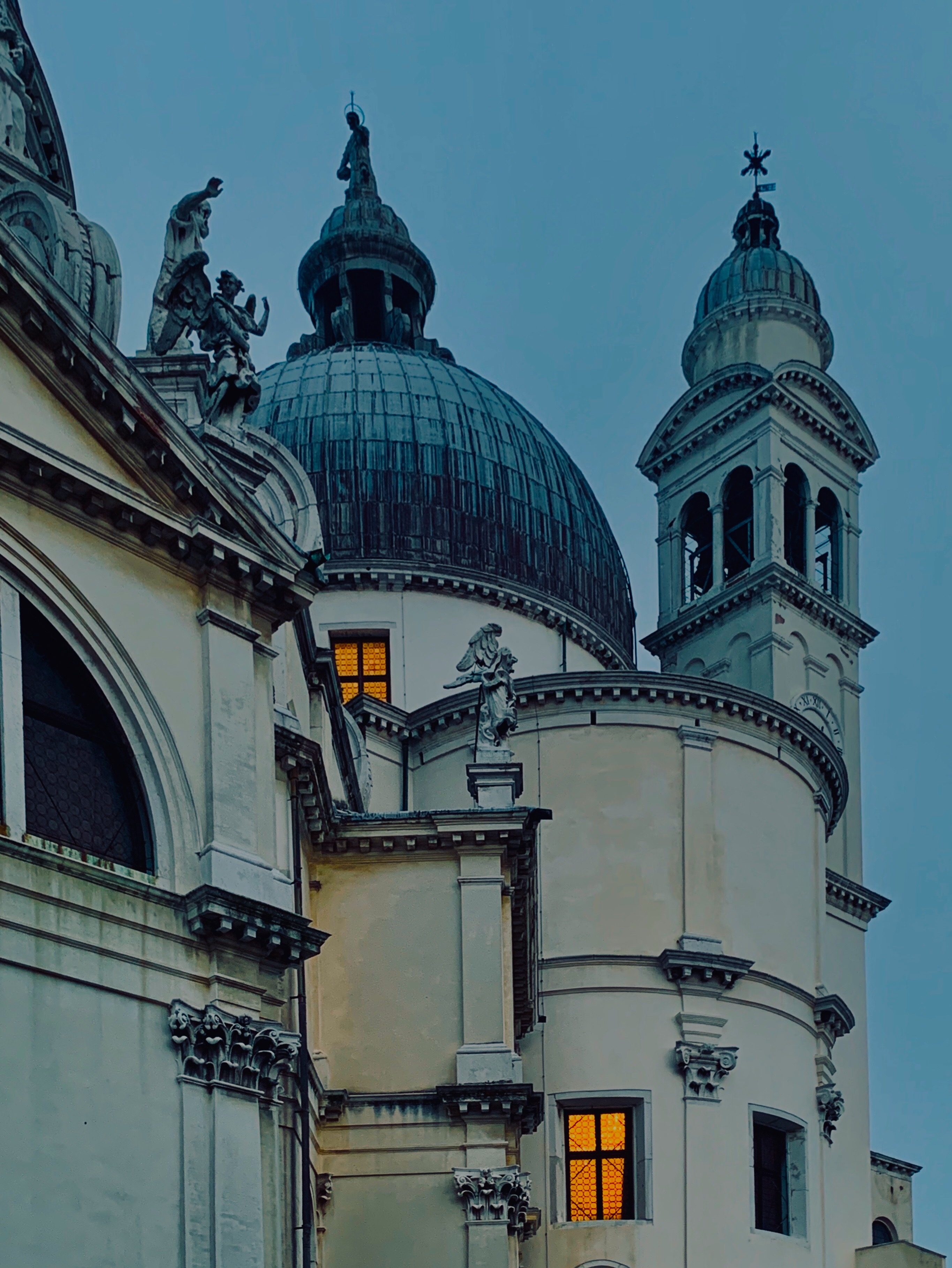
Everyone has their very own private Venice, with their favourite secret corners that they want to share with other special visitors to the city, places you may miss if you keep to the well trodden tourist routes. This is our guide to the Venice that Mike and I enjoy and want to share with you. Even if you’ve visited Venice before, it may reveal aspects of La Serenissima which you haven’t yet discovered – Fredo
BEFORE YOU GO
You will need –
Travel insurance – this is especially important post-Brexit, as the European medi-card will not be valid. However, you should get a UK GLOBAL HEALTH INSURANCE CARD.
A good map of Venice: Remember Location Location Location – it is essential to identify the location of your hotel before you leave home. We agree that part of the fun of visiting Venice is getting lost (everybody does), but it’s not fun after a long journey and carrying a suitcase, and perhaps in the dark. You must pin-point your hotel on your map before you leave home.
THINGS TO TAKE
Sun cream
After-sun cream
(you probably won’t need these in winter)
Umbrella
Comfortable walking shoes
Insect repellent (there may be mosquitoes, especially in springtime, and sometimes in September)
Remember the golden PMT rule –
P Passport
M Money
T Tickets



ON ARRIVAL
There’s no point in pretending that Venice is cheap, but there are ways you can reduce the cost of your visit if you do a bit of forward planning. All prices quoted here were current in March 2023
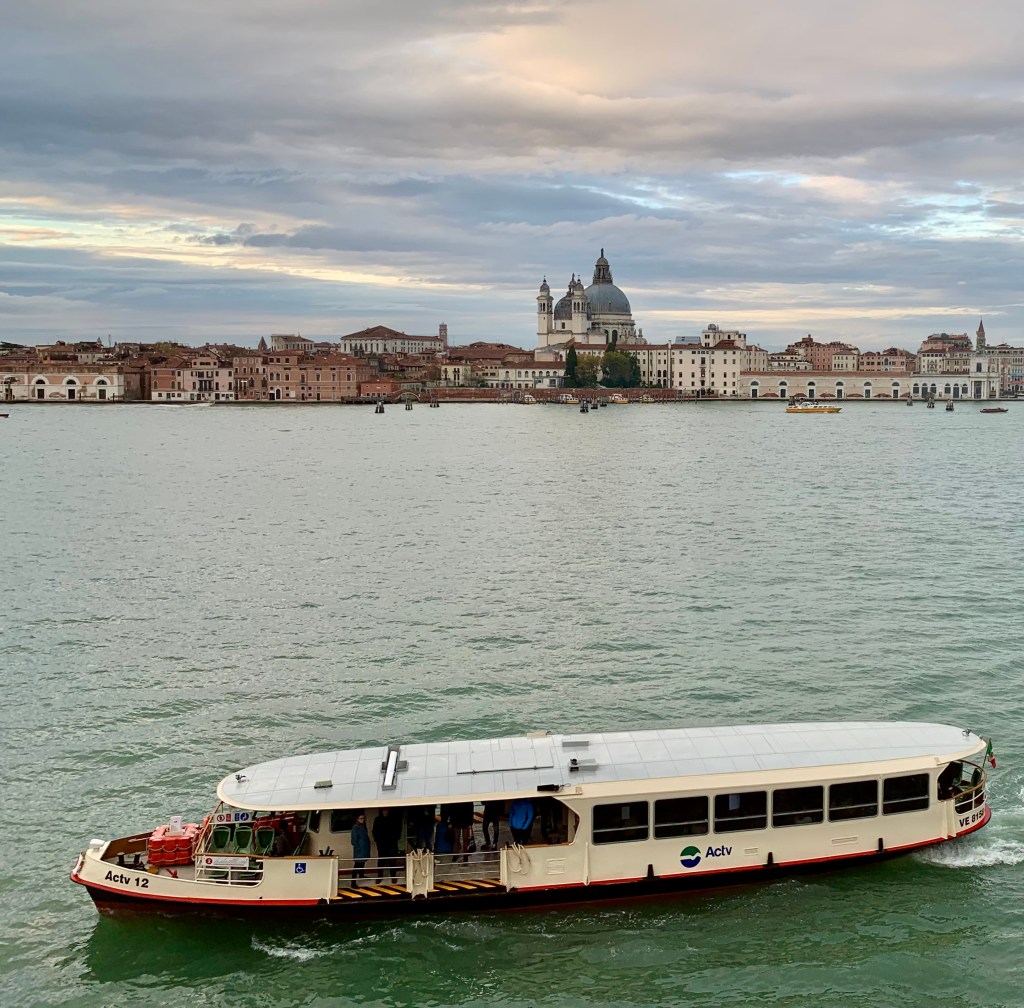
You will need to use the vaporetti (water buses) to get around the city, and a single journey costs €9.50. However, you can buy a pass that is valid for 1, 2, 3 or 7 days, and it is worth investing in whichever of these suits your needs. This will free you to visit the Giudecca, San Giorgio, the Lido and the other islands of Murano, Burano and Torcello as well as both sides of the Grand Canal, whenever and as often as you wish. Remember there are only three bridges across the Grand Canal and sometimes the easiest way to cross is by a vaporetto which zig-zags its way through the canal. The costs are –
1 day pass – €25
2 day pass – €35
3 day pass – €45
7 day pass – €65
You will need to validate your ticket for each journey before boarding the vaporetto, at the circular card readers, like the ones on London buses and at tube stations. Just tap your ticket. Yes, ticket inspections are frequent, and yes, you do have to pay a hefty fine if you don’t have a valid ticket. The time period of your ticket (in hours) begins when you first validate it, not when you buy it, so you can buy it in advance somewhere convenient, and begin using it later.
You may be tempted to buy the tickets on-line and collect them from the machine; or use a ticket machine with your credit card, when you arrive. My experience with Venice and ticket machines makes me advise you to avoid the machines where possible. You can buy tickets for an airport bus and the vaporetti at ticket booths with helpful cashiers at the airport, bus yard and station.
You may also be tempted to NOT use the vaporetti, to save your euros, and walk everywhere. Venice has a reputation for being a small city but it’s larger than you think. It’s a longer walk, and back, from one district to another than you may anticipate, especially with inevitable detours, and it’s good to be able to take a vaporetto when your legs begin to ache.
AT THE AIRPORT
If you fly to Marco Polo, the best option is to catch the non-stop Express Bus to Venice from the front of the airport terminal. You can buy tickets from the PUBLIC TRANSPORT desk outside the Arivals gate. Buses are frequent – every 15-20 minutes, and take about 20 minutes to arrive at Piazzale Roma (where road journeys end and canal transport begins). One-way tickets are 10 euros, and open returns are 18 euros for one journey each way. Validate your ticket at the machine by the bus stop.
There is also a cheaper local stopping bus service No 5 – it’s worth investigating if you’ve just missed the express bus, but of course it takes longer, and there isn’t much room for luggage. There’s a ticket which combines this two-way local airport bus with your vaporetti pass, but this cannot be used on the Express Bus.
Road taxies to Piazzale Roma are another option worth considering, depending on how many are travelling together – but remember you will still need some form of water transport to your hotel, unless you insist on walking once you arrive in Venice.
Water taxis are ruinously expensive, but they take up to 10 people, so you may want to consider them for a group. The jetty is a short walk from the airport terminal. The cost from the airport to a central Venice hotel is about €140, and you still may have a walk if your hotel is not on a canal.
Details about the Alilaguna water bus can be found on www.alilaguna.it/en. This is the boat service between the airport and Venice, and its islands, with several stops and various possible routes. You will need to study the Alilaguna map to know which line to take to arrive at a stop near your hotel. It’s an easy journey but not always the quickest as some routes are not direct. The Alilaguna jetty is also a short walk from the airport terminal. The various transports from the airport are well signed and staff at desks are helpful
If you fly to Treviso, there is a dedicated bus service, which also goes to Piazzale Roma.
AT PIAZZALE ROMA
This is the bus terminus for Venice. Here you will leave transport with wheels behind. If you haven’t already got your ticket for the vaporetto, look for the ACTV office. Single journeys are expensive, so we recommend buying a pass depending on the length of your visit.
The vaporetto stops are on the Grand Canal, down the steps beside the ticket office. You will need to validate your ticket before you board the boat: hold it against the grey machine (like our Oyster machines). There is a display board listing the destinations and next departures and which quay to go to. Make sure you choose the right direction. Line 1 starts at Piazzale Roma and travels up the Grand Canal to San Marco and beyond.
If this is your first visit, remember that you only get one chance to arrive in Venice for the first time. It’s a unique delight so make the most of it. Board Line 1, which stops at (almost) all stops on the Grand Canal; Line 2 is faster, as it has fewer stops, but check that it stops where you want to go. If you’re lucky, you’ll find one of the older vaporetti with seats at the front. Sit back, and start to enjoy Venice.
Line 2 goes in two directions from Piazzale Roma – down the Grand canal via Rialto, or to the Zattere and the Giudecca. Both routes terminate at San Marco/San Zaccaria.
There are other routes, but ACTV renumber these according to the season. This is a beginners’ guide, and we don’t want to overload you with information. The vaporetti get very crowded. Don’t forget, this is the Venetian equivalent of the District Line, and Venice is a working city. Even so, the vaporetti are an efficient form of transport.
Make sure you have your map to hand as you disembark from the vaporetti – you still have to walk to your accomodation. You don’t want to get lost before you’ve arrived!
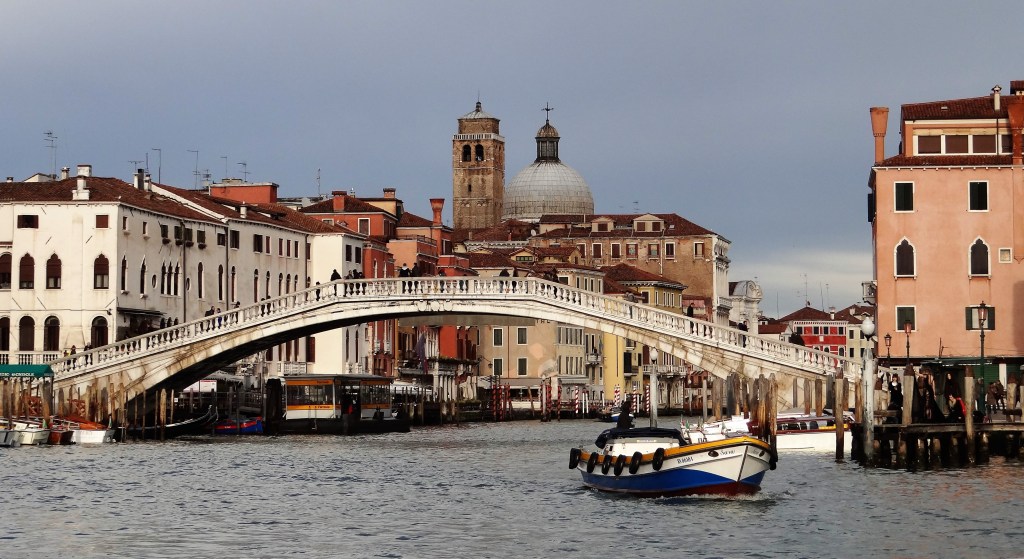
VENEZIA SANTA LUCIA/FERROVIA This is the railway station, and the ideal way to arrive in Venice is by train. Once you step off the train, the magic begins as you walk through the station concourse with the elegant and expensive shops. Step outside – and it’s as though you walked into another world. The Grand Canal is before you; the vaporetto stops await you; your Venice adventure can begin. (See above for using the Vaporetto and see below for the bridge opposite the station).
WEATHER OUTLOOK – CHANGEABLE
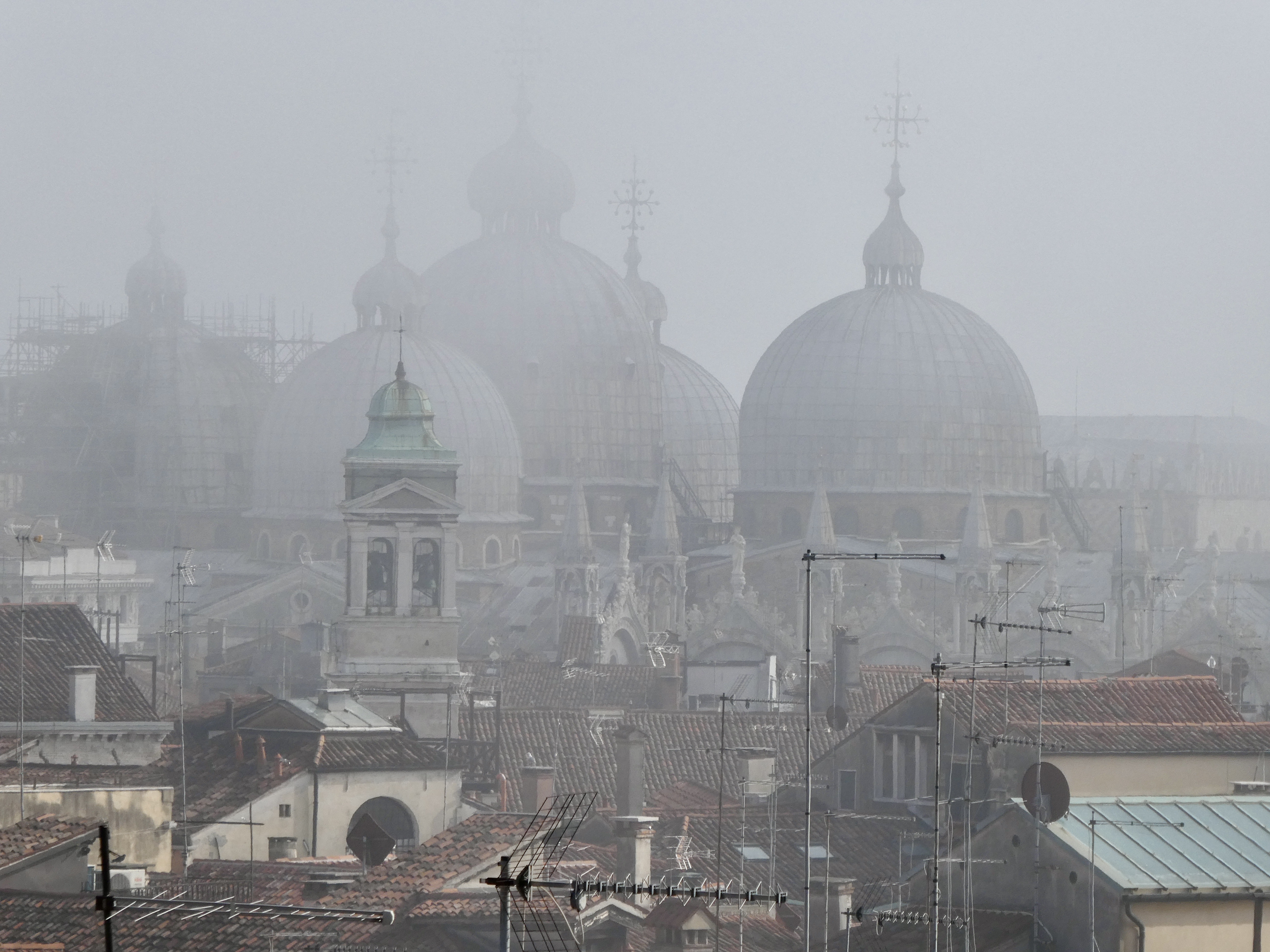
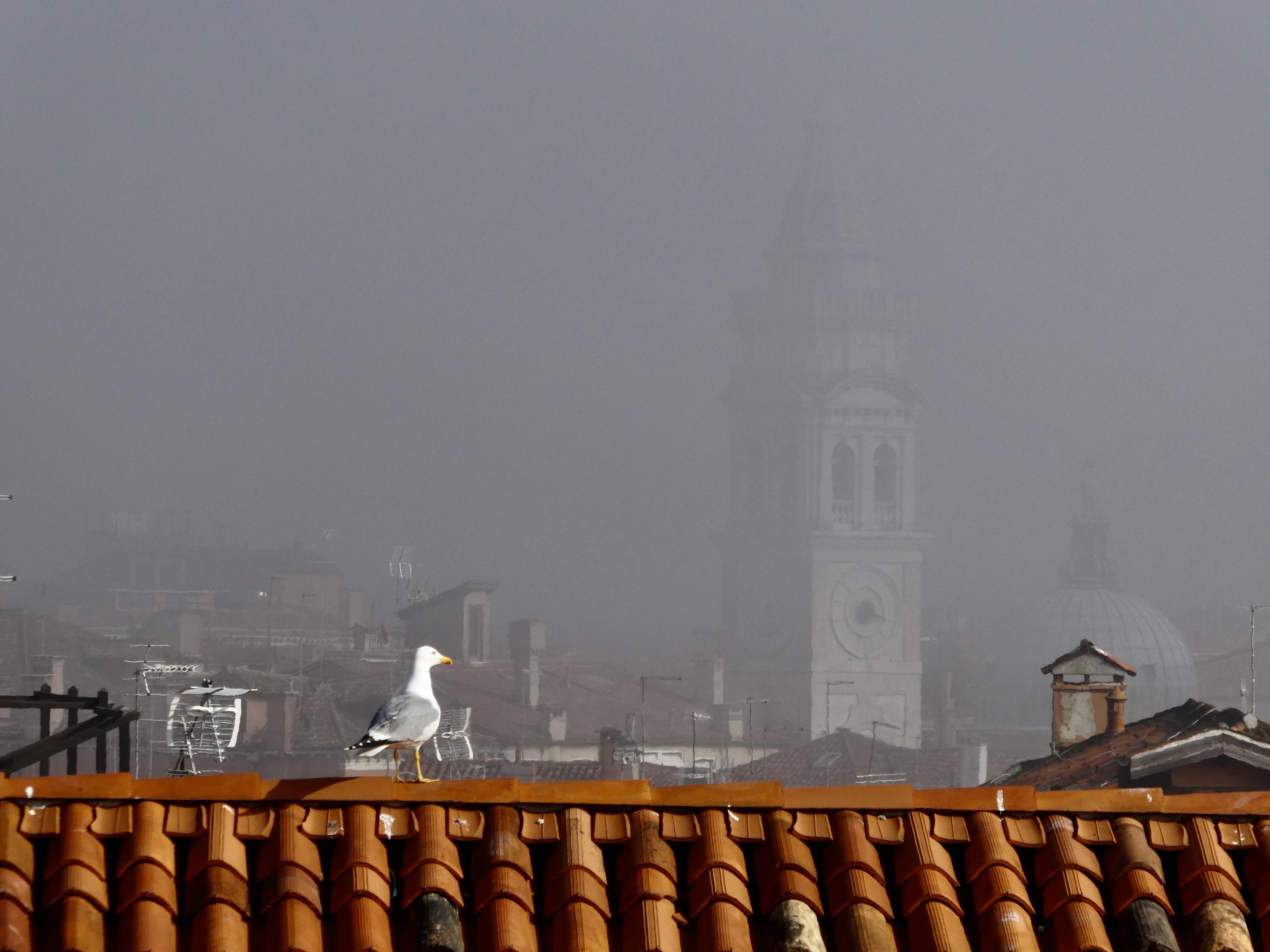
Whatever season of the year you are in Venice, prepare for surprises. It can be scorching sunshine, sudden heavy showers, very chilly winds, and of course sea mists which can sweep in unexpectedly. We like May and September but have also been there in November/December and February/March. Mornings and afternoons can be different, so a sweater and umbrella might also be useful on a sunny day. Check the local forecast. Wait for dusk, the sunset, when Venice glistens and glows and there seems to be a sparkle in the air.

SIGHT SEEING
Your guide-book will tell you all about the places you really have to visit in Venice – St Mark’s, the Doge’s Palace and the Accademia to name but three. However, here are our top recommendations, that you shouldn’t overlook (but check your guide for opening times and prices, as these may change).
- When our friend Margaret returned from her first visit to Venice, we quizzed her about the places she’d visited. She had to admit that she actually hadn’t gone inside anywhere; she was so fascinated by the city, she had simply wandered round looking at it. And you know, I think Margaret got it right. There is nowhere like Venice, and no two parts of it are alike (as you will discover when you inevitably get lost). But don’t be tempted simply to trudge from Ferrovia (the railway station) to St Mark’s, and back again. You won’t pass anything interesting (unless you detour to stop at Ca’ d’Oro) until you reach the Rialto. Yes, you can say you’ve been to Venice, but you won’t have seen Venice.
- Scuola Grande di San Rocco: Rome has the Sistine Chapel – Venice has San Rocco. Tintoretto spent 23 years working on this guildhall. The ground floor has scenes from the Life of Mary, with a blood-curdling Slaughter of the Innocents included. However, the magnificence begins as you mount the grand staircase, and enter the great hall — your jaw will drop. Take time to absorb your surroundings, and then go to the side room which contains the greatest of all Cruxifixions. It’s the Ben-Hur of Cruxifixions, and perhaps Tintoretto’s greatest achievement. There is an admission fee. Nearby is the church of the Frari, which contains one of the most important paintings of the Renaissance, Titian’s Assumption. There is an admission fee. (Vaporetto stop: San Toma’) – and you’ll need your map!
- Scuola di San Giorgio degli Schiavoni: This is a smaller guildhall, and it’s like stepping into a jewel-box. The ground-floor was decorated by Carpaccio – you’ll see Saint George and the Dragon, but look out for all the background details where a whole world is at work and play. You will need to follow your map very closely. The best book about Carpaccio is by Jan Morris (if you can get hold of it), but don’t try to follow her directions to the scuola. There is a small admission fee.(Vaporetto stop San Zaccaria)
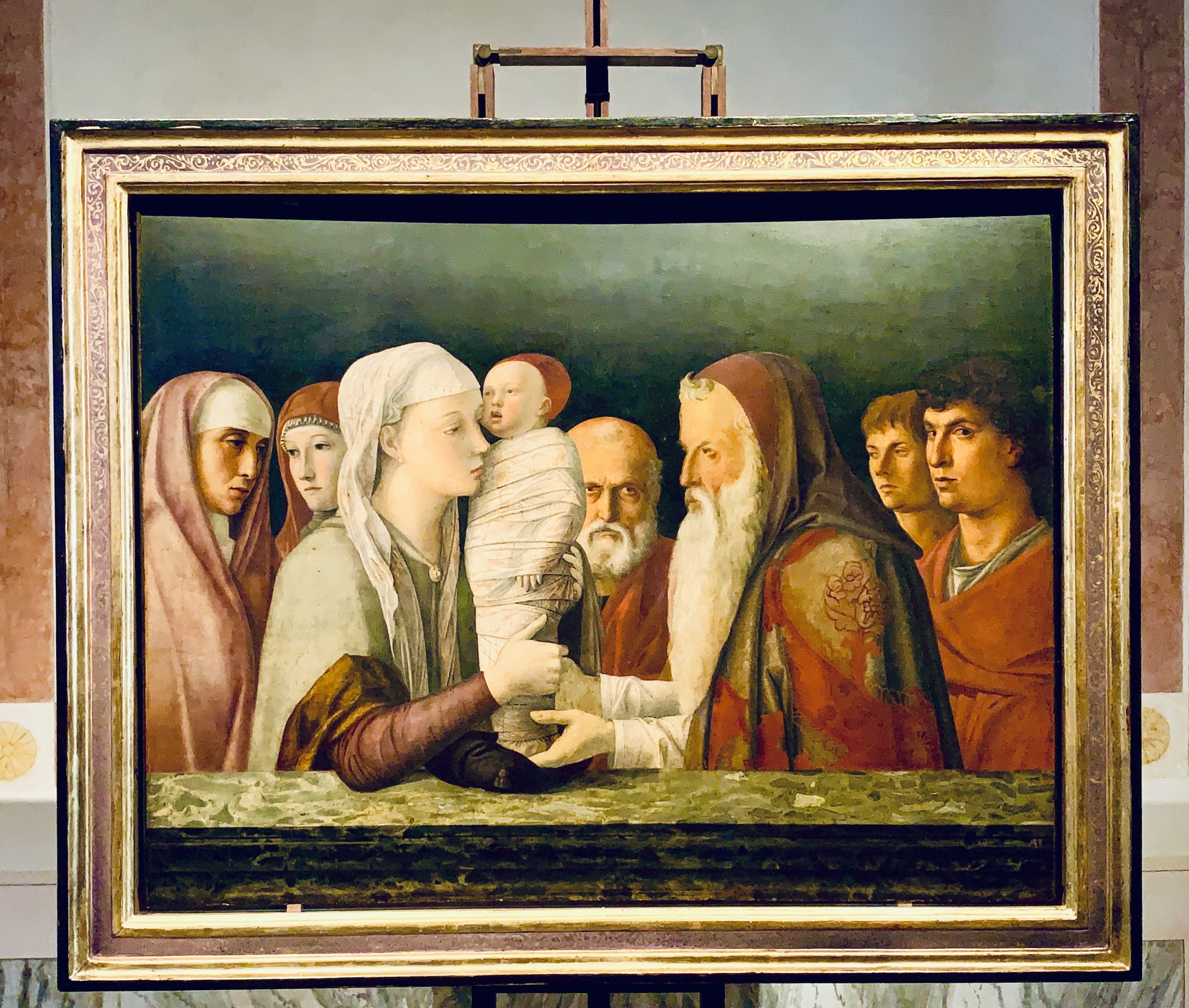
- Palazzo Querini Stampalia, in Campo Santa Maria Formosa: The ground-floor and garden of this 16th century palazzo was redesigned by Carlo Scarpa into an interesting modern gallery. Take time to explore this transformation, and realise that the building now incorporates a research library as well as a museum. There is a surprisingly cheap cafe and a not very cheap shop. The museum is on the second floor, concentrating on periods of Venetian history. One of its treasures is a remarkable Bellini painting of The Presentation of Christ. (Vaporetto stop San Zaccaria)
- The Ghetto. Many people think they’ve been here, but they may have missed it, as it’s actually a very small area with low-ceilinged seven storey buildings. On the Fondamente di Cannaregio, look for the kosher restaurant Gam Gam — the entrance to the Ghetto is just there, where the Calle del Ghetto Vecchio leads under a sotoportego. It’s a fascinating little area, and a welcome relief from the nearby busy Strada Nova.
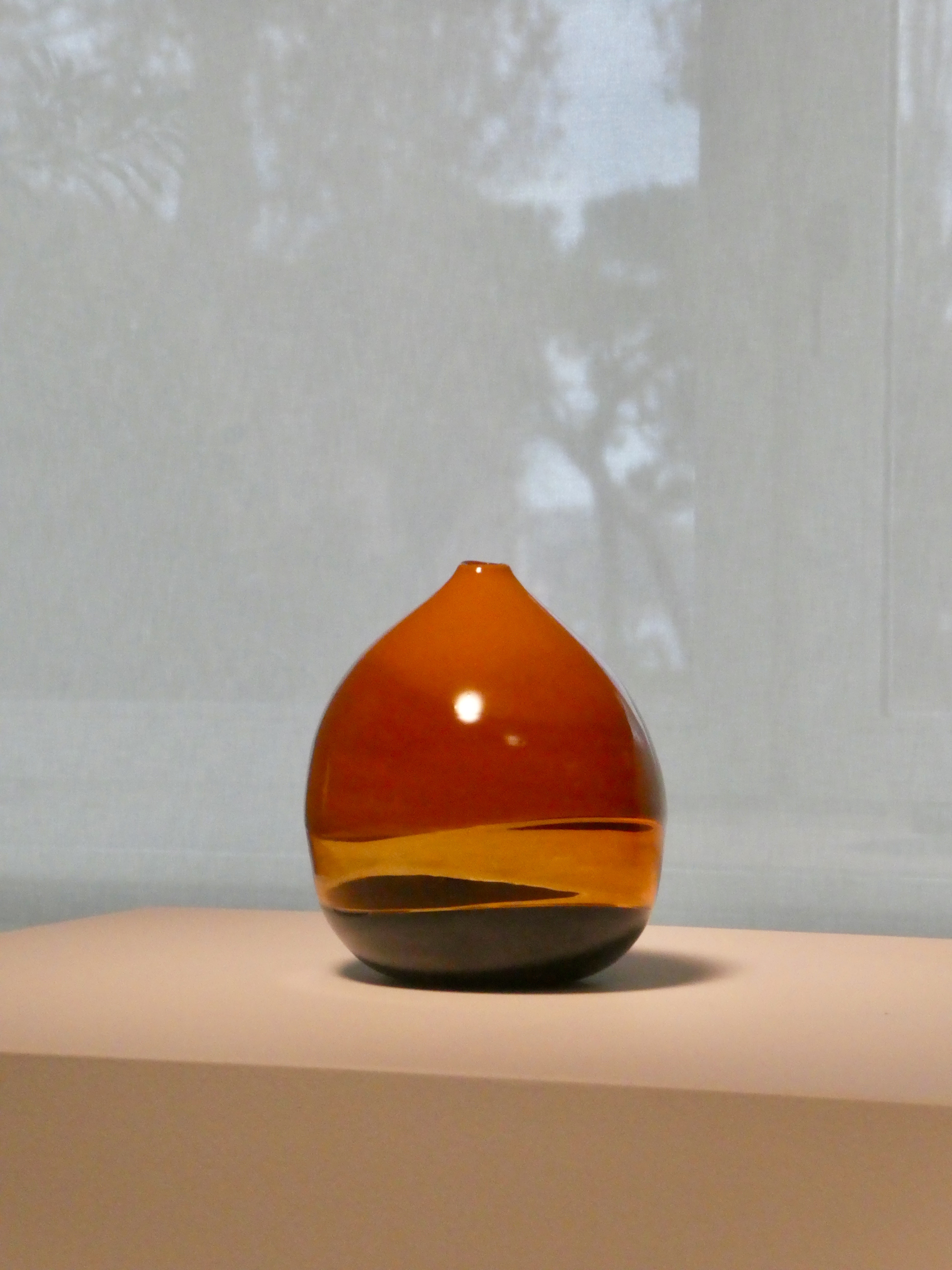
- The Stanze de Vetro at San Giogio aren’t obvious; it’s an exhibition hall behind the Church of San Giorgio, Between September and January, there is a display of glasswork (not the mass-produced work on sale in the tourist shop) and this can range from the impressive to the breath-taking. Admission is free, but check opening times. www.lestanzedelvetro.org (Vaporetto Stop San Giorgio – on line 2
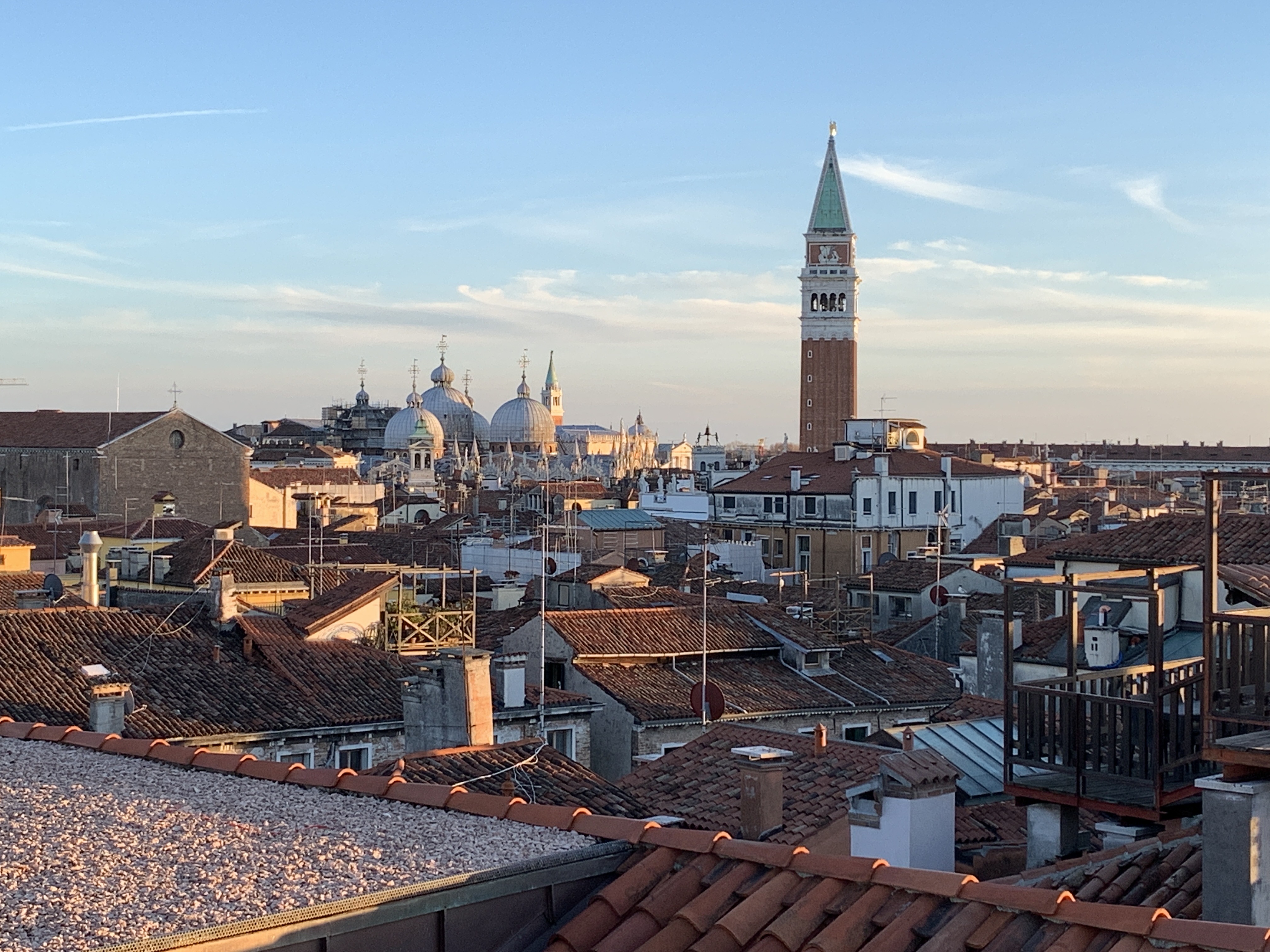
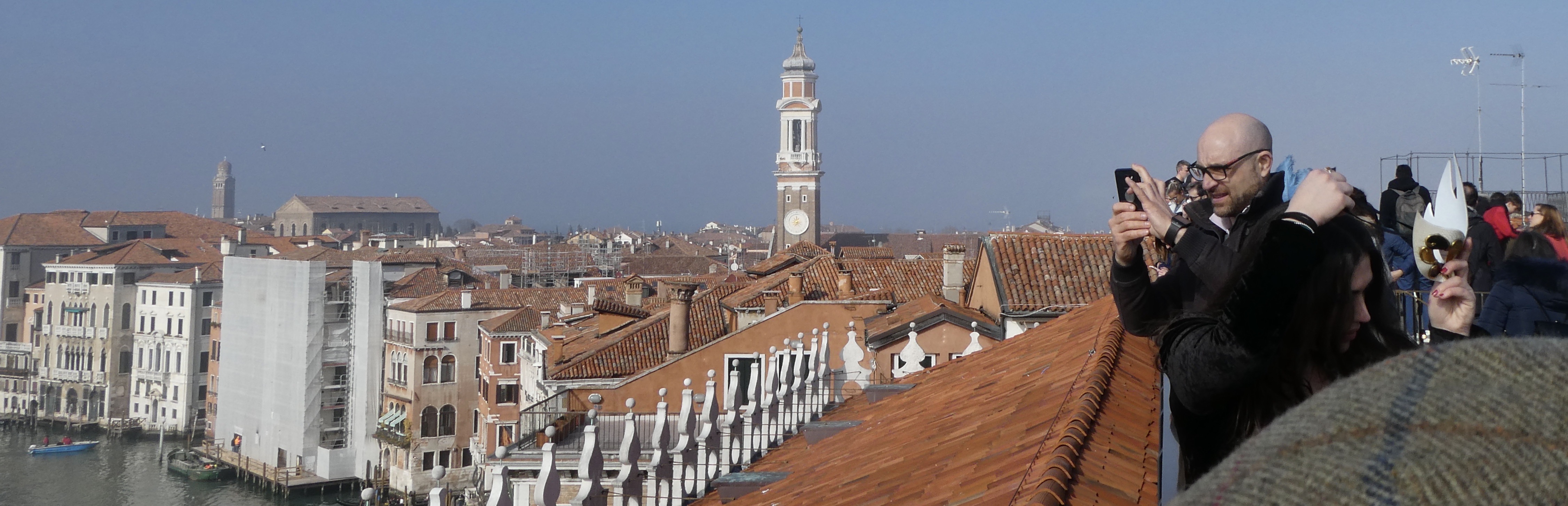
- Fondaco dei Tedeschi is a new, state-of-the-art department store near the Rialto Bridge, overlooking the Grand Canal. It used to be the main Post Office. Every designer in the fashion world is now represented here, but that’s not why we recommend it. Head to the rooftop terrace for the best view of Venice – one of the must-see highlights of a visit to Venice. Make sure you can get access, book a timeslot at www.tfondaco.com – and take your camera. The entry is free BUT you do need to book a visiting slot three weeks in advance. You may be lucky and find there’s been a cancellation on the day, so enquire, but it’s better to book on line before your Venice trip begins. Some pictures are below – the terrace is atop the building behind the Rialto Bridge. (Vaporetto Stop Rialto)


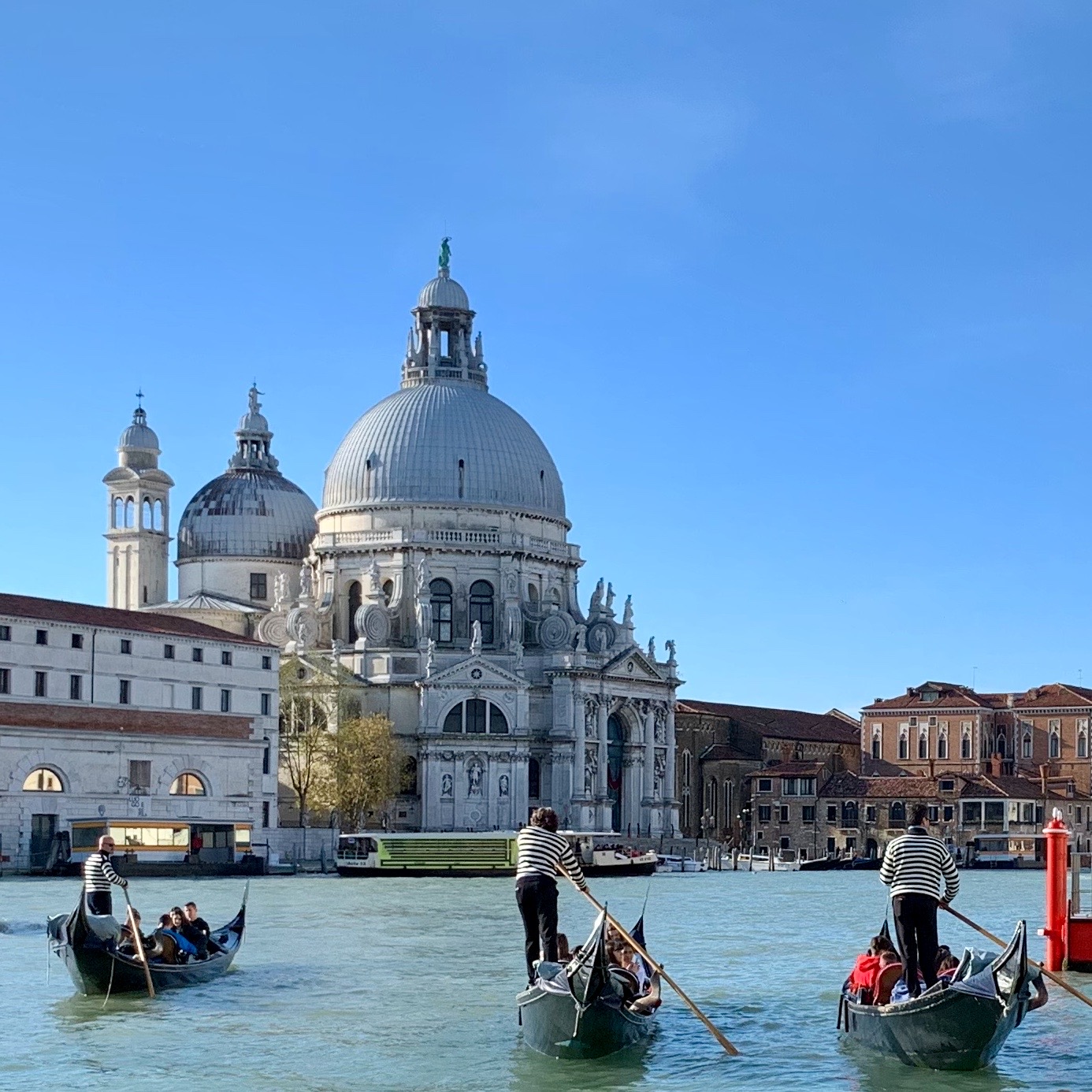
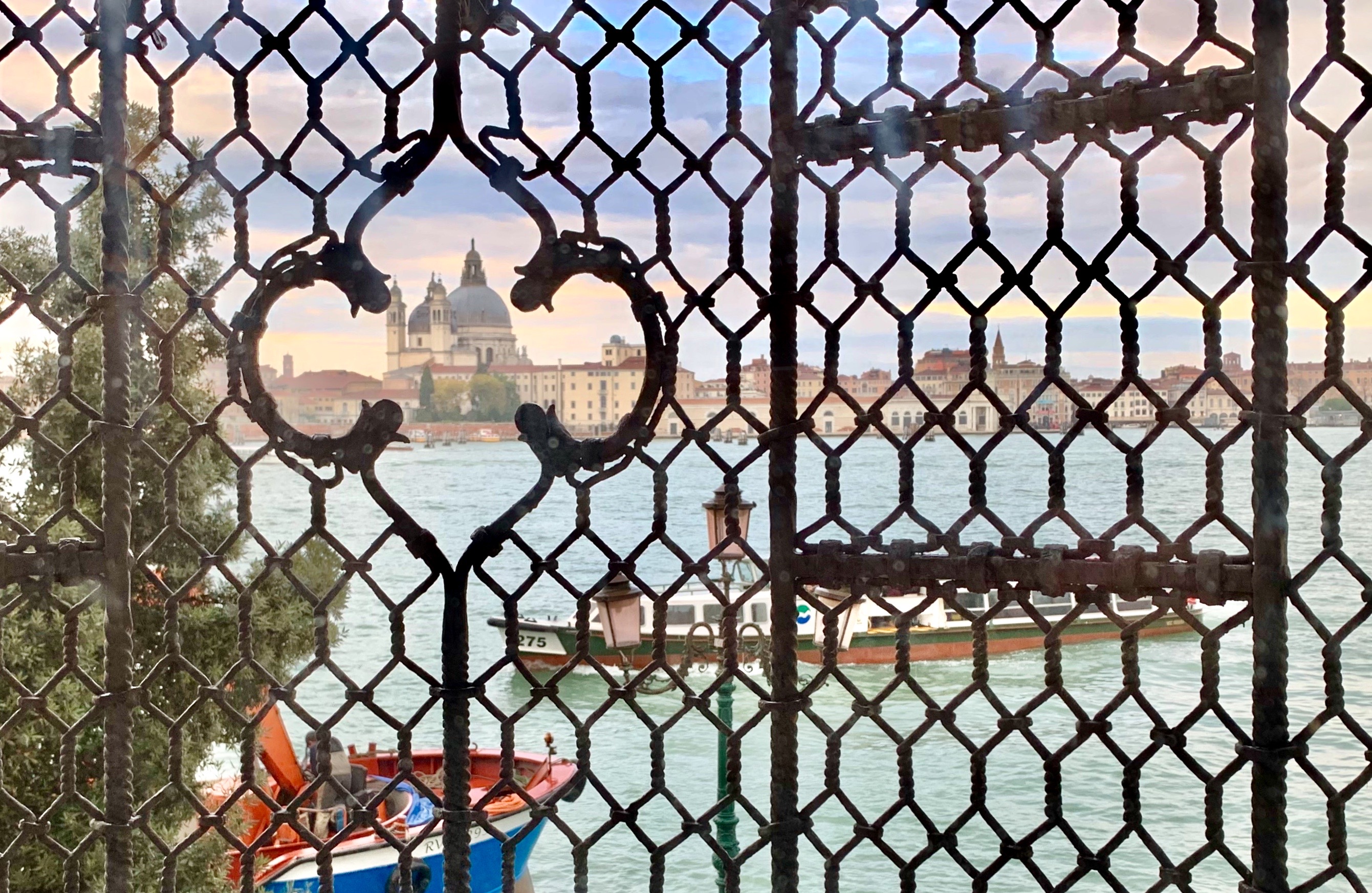


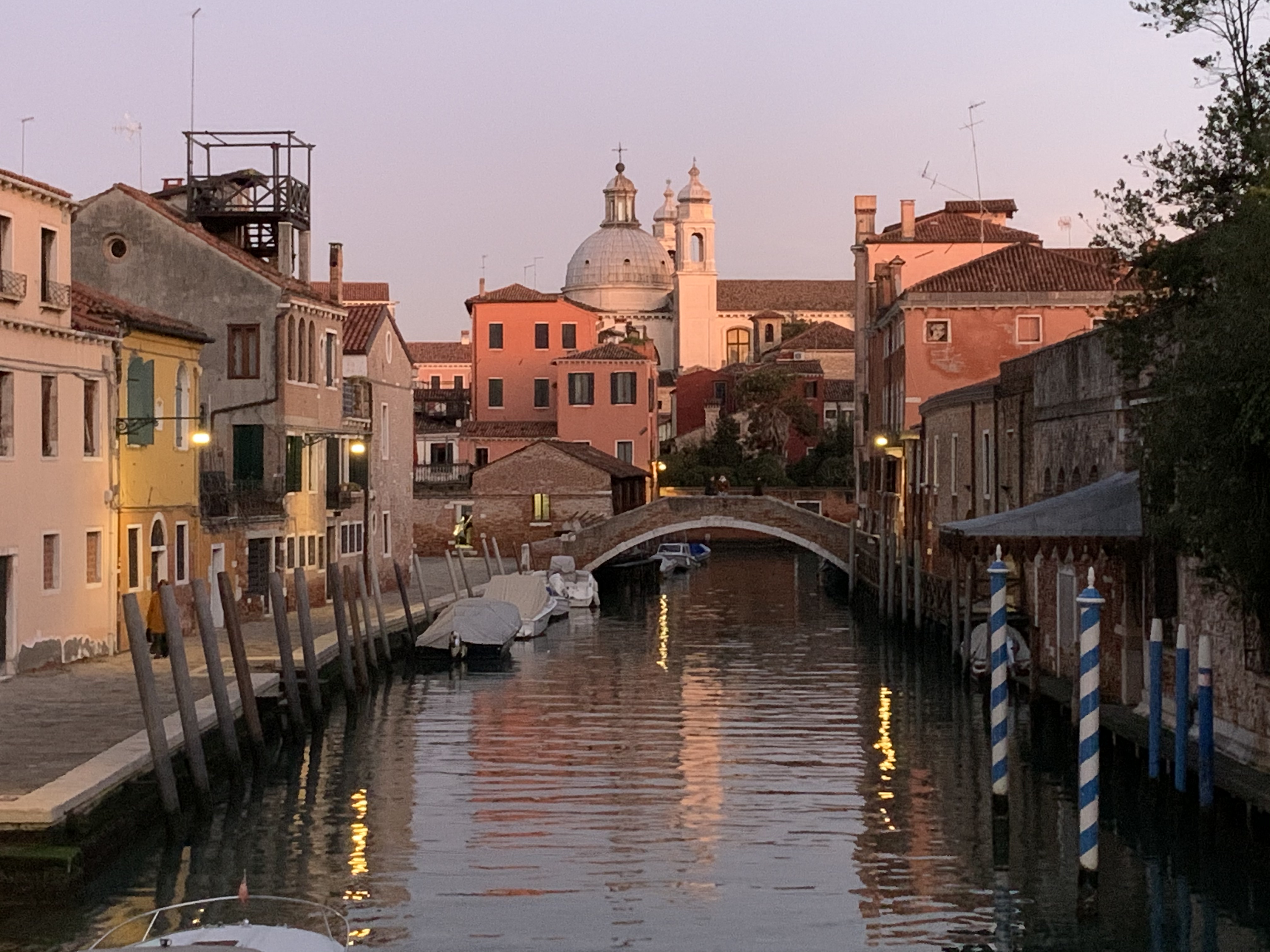
VENETIAN SECRETS
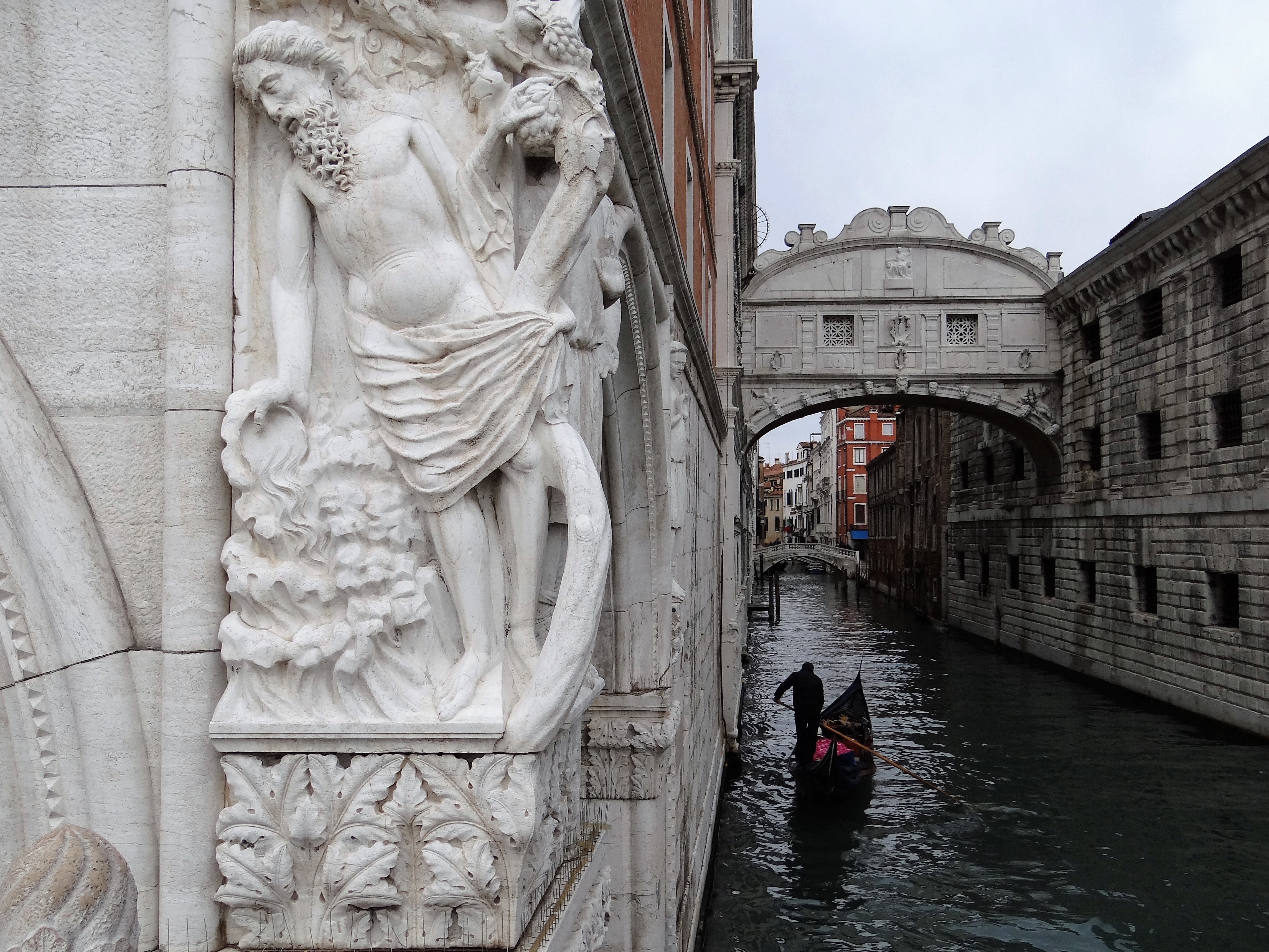
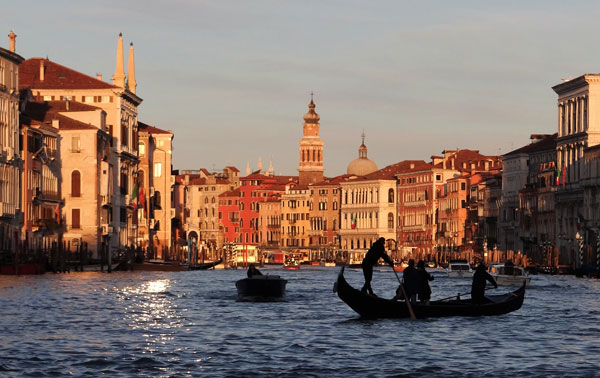
- Line 1 – Everyone should do this. Find a vaporetto that has seats at the front and is going to the Lido. All the other passengers will get off at the Lido, so you can move into the front seats before more passengers from the Lido board! Return to Venice and enjoy the ride up the Grand Canal. The Dorling-Kindersley guide is useful for identifying the buildings on either side. (Sometimes you have to disembark at the Lido, exit the jetty and re-enter again using your pass….so a front seat must be regarded as something special wherever and whenever you find one free.)
- The best way to see St Mark’s is to go to Mass on Sunday morning. This is what the basilica was built for and, as the lights will be on, you will see it in all its glory. At most other times there is a long queue and an entry fee.
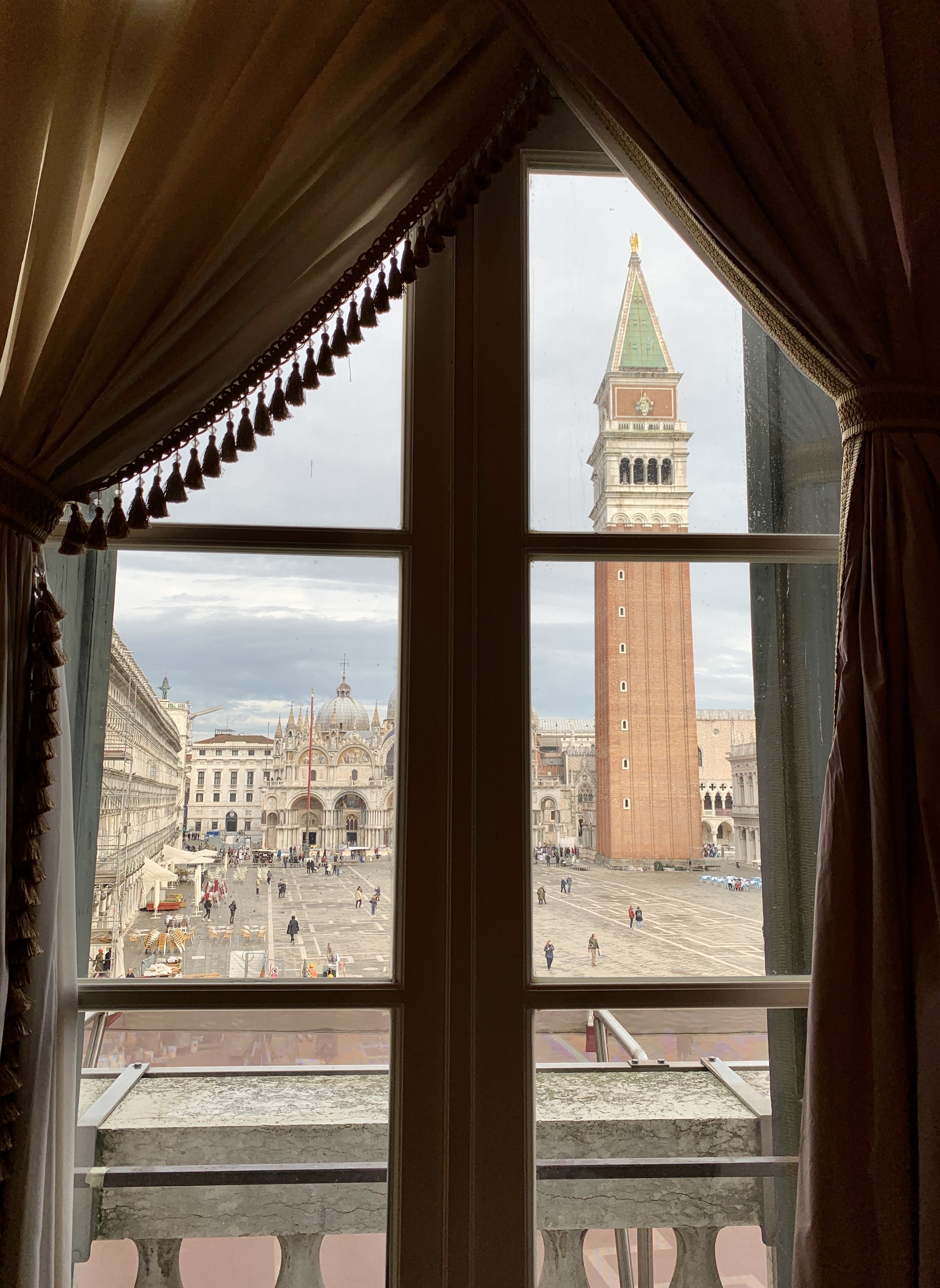
- Coffee in St Mark’s Square? You pay a fortune at Florian’s or Quadri’s (and if you do, it’s bad form to complain about the price afterwards) – instead you could climb the grand staircase in the Museo Correr (directly opposite San Marco) turn left past the ticket office, and left again to the cafeteria. Take a table by the window, order your coffee and gaze down on life in the piazza while you enjoy it.
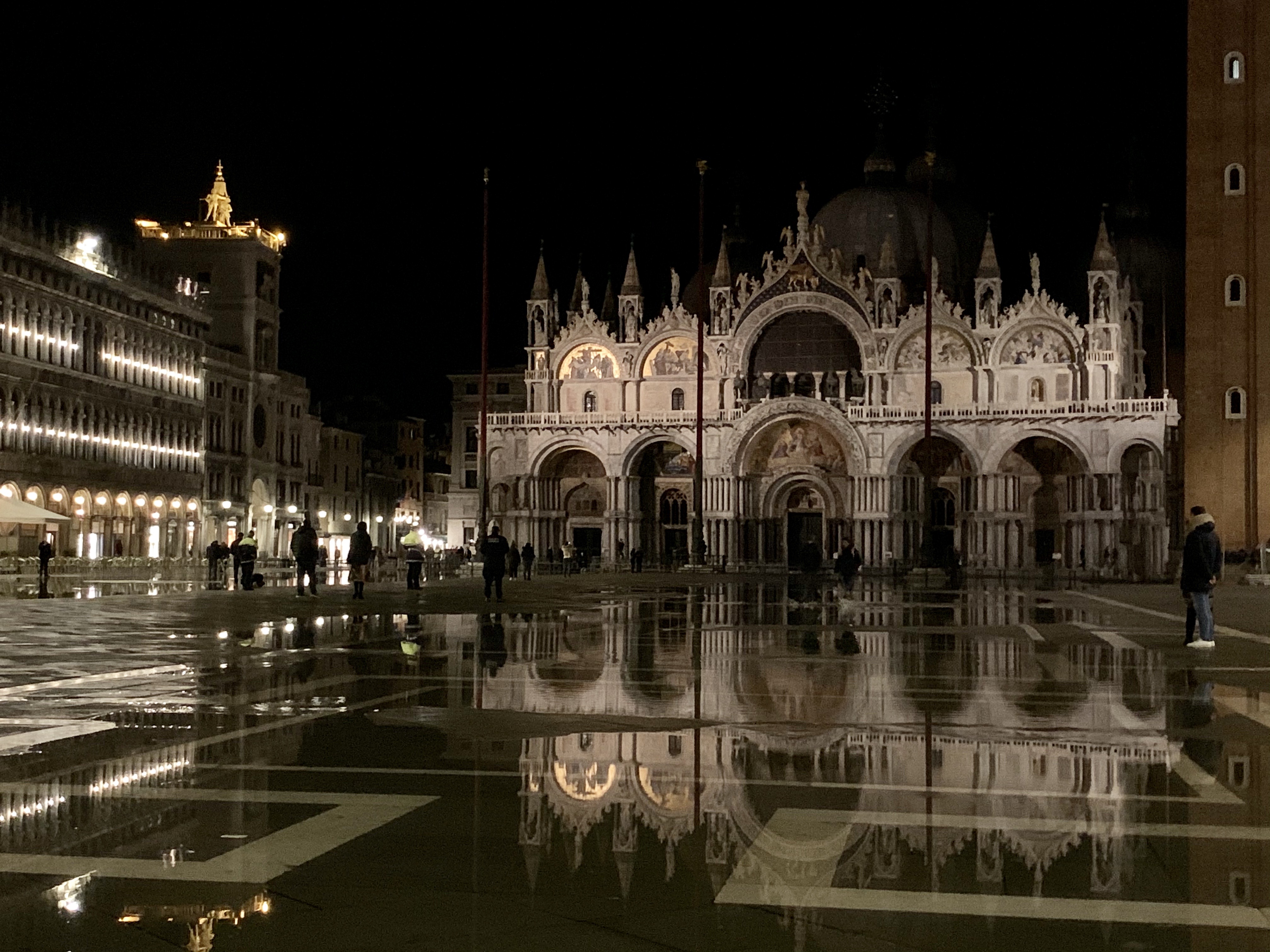
- You have to see St Mark’s Square at night – no day-tourists and twinkling lights all around – magical!
- Why stand in line to get into the Accademia (well, there are thousands of reasons) when all the artists in there are represented in the churches around Venice? For 12 euros, you can buy a Venice Chorus ticket (at any church on their list) which will give you admission to 18 churches in the city, including the Frari. You don’t have to visit them all right away, as the ticket is valid for 1 year. It only allows you to visit each church once, of course. San Sebastiano (near the San Basilio vaporetto stop) is a highlight.
- Al Bottegon (Cantina di Vini Gia Schiavi) Fondamenta Maravegie 992 Tel: 041 523 0034 Closed on Sunday It’s hardly a secret, as it’s mentioned in all the guide books. It’s a little bar. But it isn’t here because of the amazing selection of wines and brandies and the very cheap prosecco, or for the mouth-watering cichetti (like tapas). No, Signor Schiavi has a special secret – a dessert wine made from strawberry-shaped grapes called “vino fragolini”. He keeps it under the counter, so ask for it, and tell him if you want the rosso or the more rare bianco. Or take home a bottle of Reccioto to impress your friends at the end of dinner.
- Fior de Latte flavour ice-cream. It’s heaven! Nico Gelati, the ice-cream parlour with outdoor tables on the Zattere, is the most famous, but you might have to wait because they are usually busy and everyone here wants to stay to sit and take in the view and the sunshine.
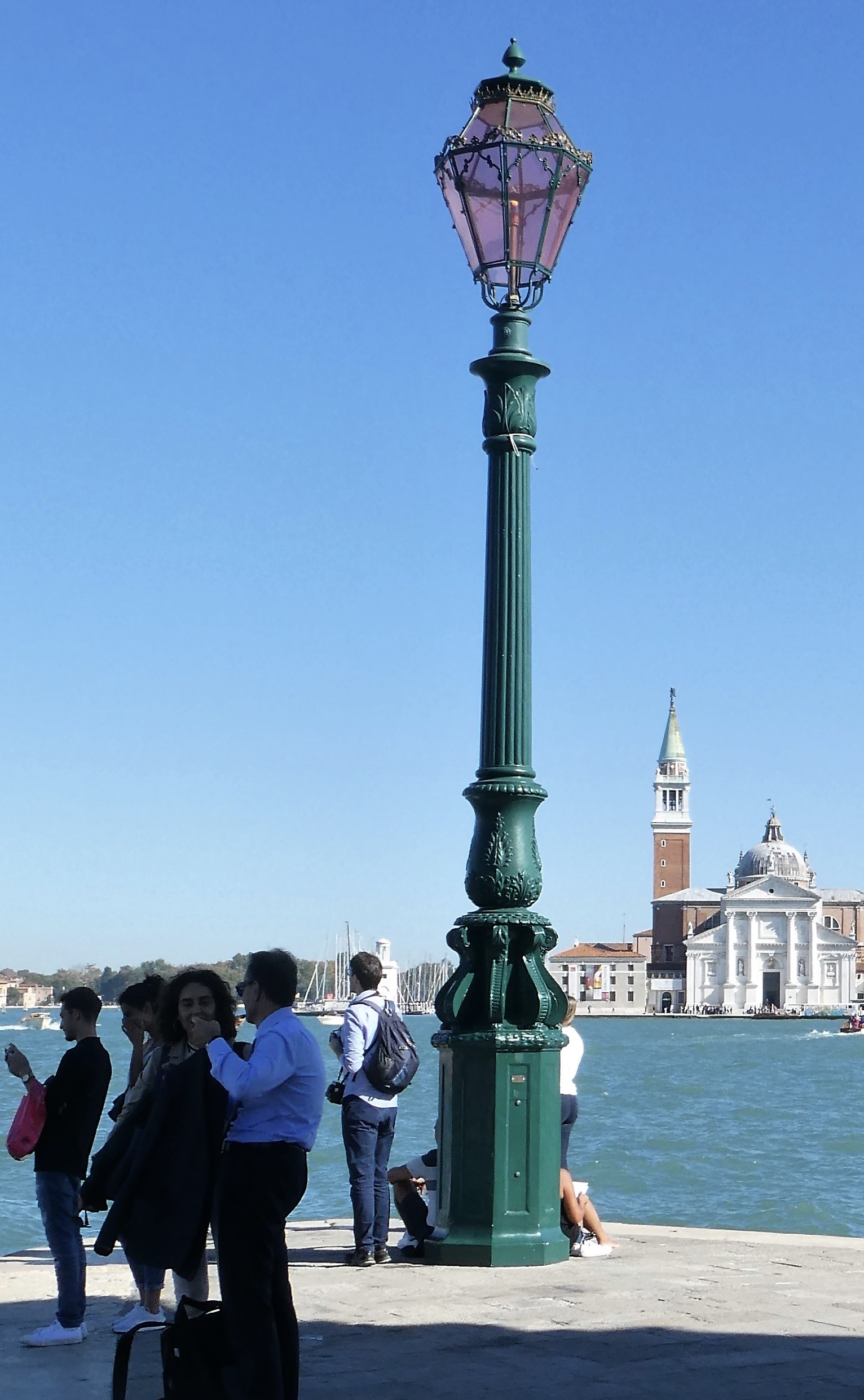
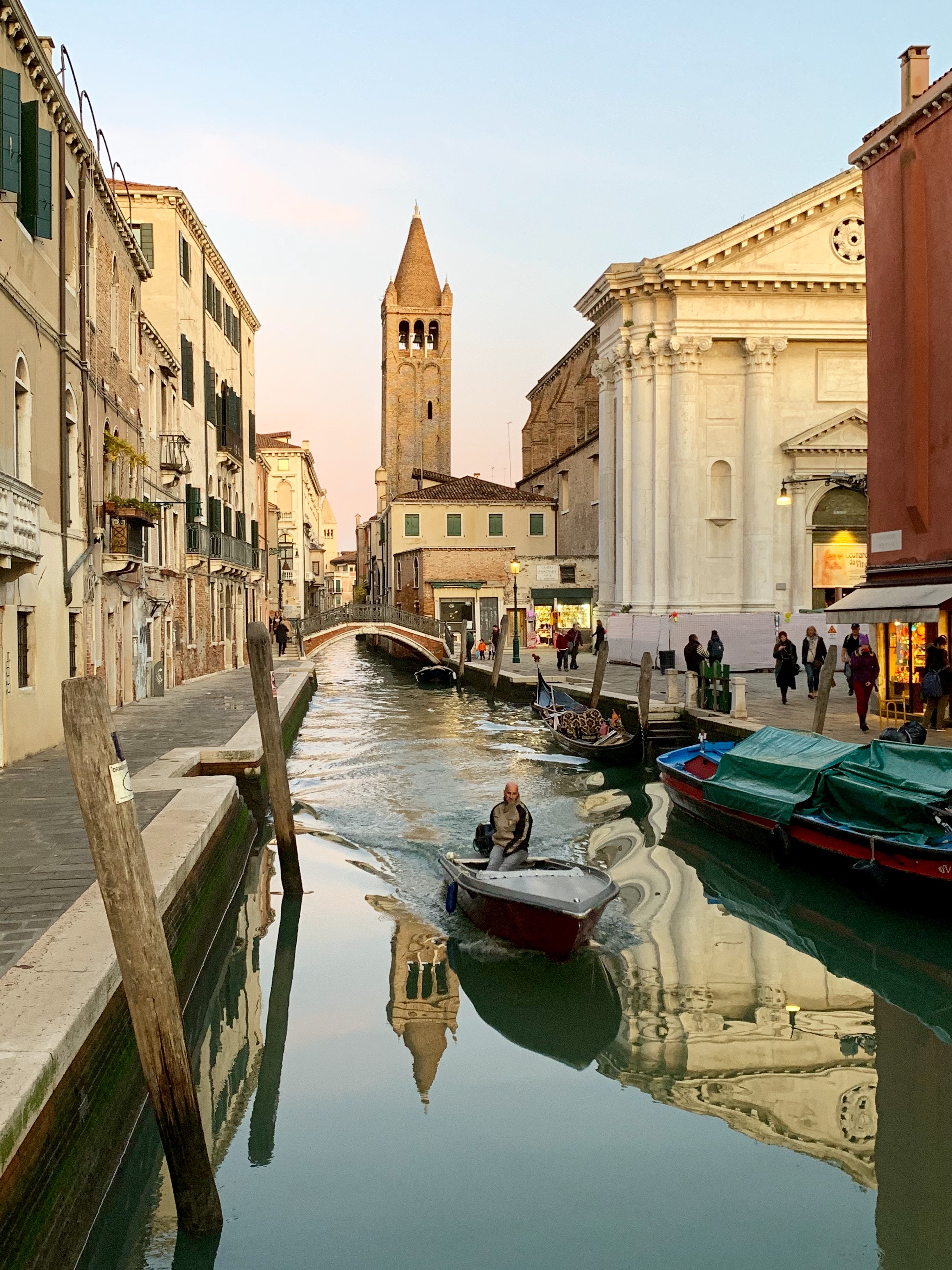
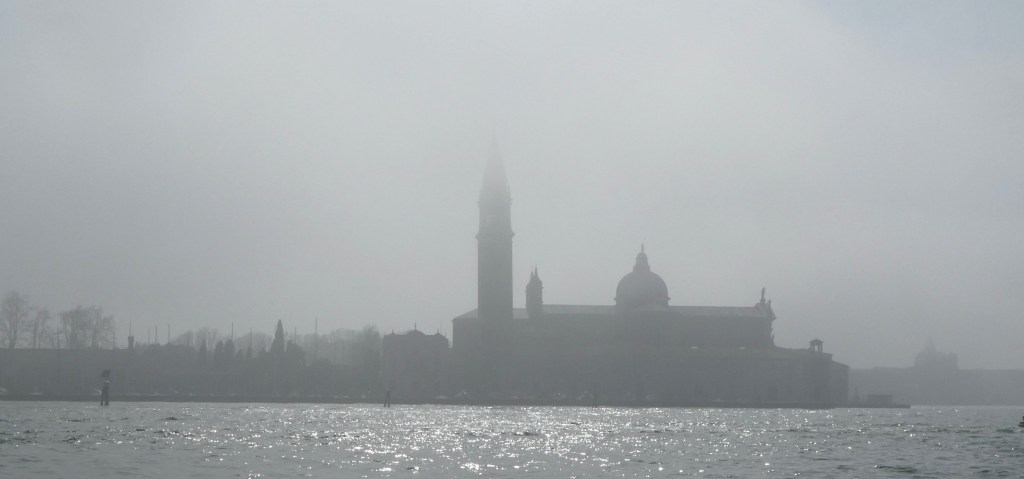
- You could join the queue in Piazza San Marco to climb to the top of the Campanile, but why not jump on a vaporetto and zoom over to the church of San Giorgio Maggiore instead? Don’t miss the two Tintorettos facing each other at the main altar, before you head for the Campanile. Have a look at this Palladian church, and the heart-rending Crucifixion on the left-hand side of the nave before heading for the bell-tower. The elevator will carry you up to the top of the tower where you can view Venice, the Giudecca and other islands in the lagoon from sky-high. And what a view! St. Mark’s Square and all of Venice is spread out before you – you will be amazed by how extensive it really is, by the height of the Gianipoli church and by the width of the Giudecca canal. Count the leaning towers! You can even peep into the grounds of the Cipriani Hotel from here! Mike thinks this is the best view in Venice; if you can find a better one, let us know. (Vapoetto Line 2 from San Zaccaria or Zattere) It’s a good idea to get here reasonably early, as the lift (thank goodness there is one!) only holds about 8 at a time and queues quickly form.


EATING OUT
Italian menus can pose a problem, with the Antipasti, Primi, Secondi, Contorni and Dolci. How much do you order? What do they expect you to have?
The answer is simple: have what you like – just be careful not to order too much. For most people, an antipasto and a primo, or an antipasto and a secondo, are more than enough. Or drop the antipasto, and add a dolce. Or have two antipasti, if that’s what you really want. You’re either ravenous or greedy if you have a primo and a secondo.
The Antipasti can be quite substantial, and often consist of cured meats, or a fish or sea-food salad, or a thick soup. The Primi are usually pastas or rice, and the secondi will have meat or fish as the main feature, occasionally with potatoes or polenta, or nothing at all. That’s where you chose contorni, or side-dishes: it’s a good idea to share these. By the way, most restaurants will only do risotto for a minimum of two people, so check if the price shown on the menu is for one or two. Your waiter or waitress will help you out.
(A note on the waiters: they should know their stuff, so ask them to recommend dishes, tell them what you like and how hungry you are. Ask them their name. Let them recommend the wine – but tell them how much you want to pay. If you treat them well and in a friendly manner, you’ll be welcomed back the next time you appear at the restaurant.)


TO GIVE YOU AN APPETITE
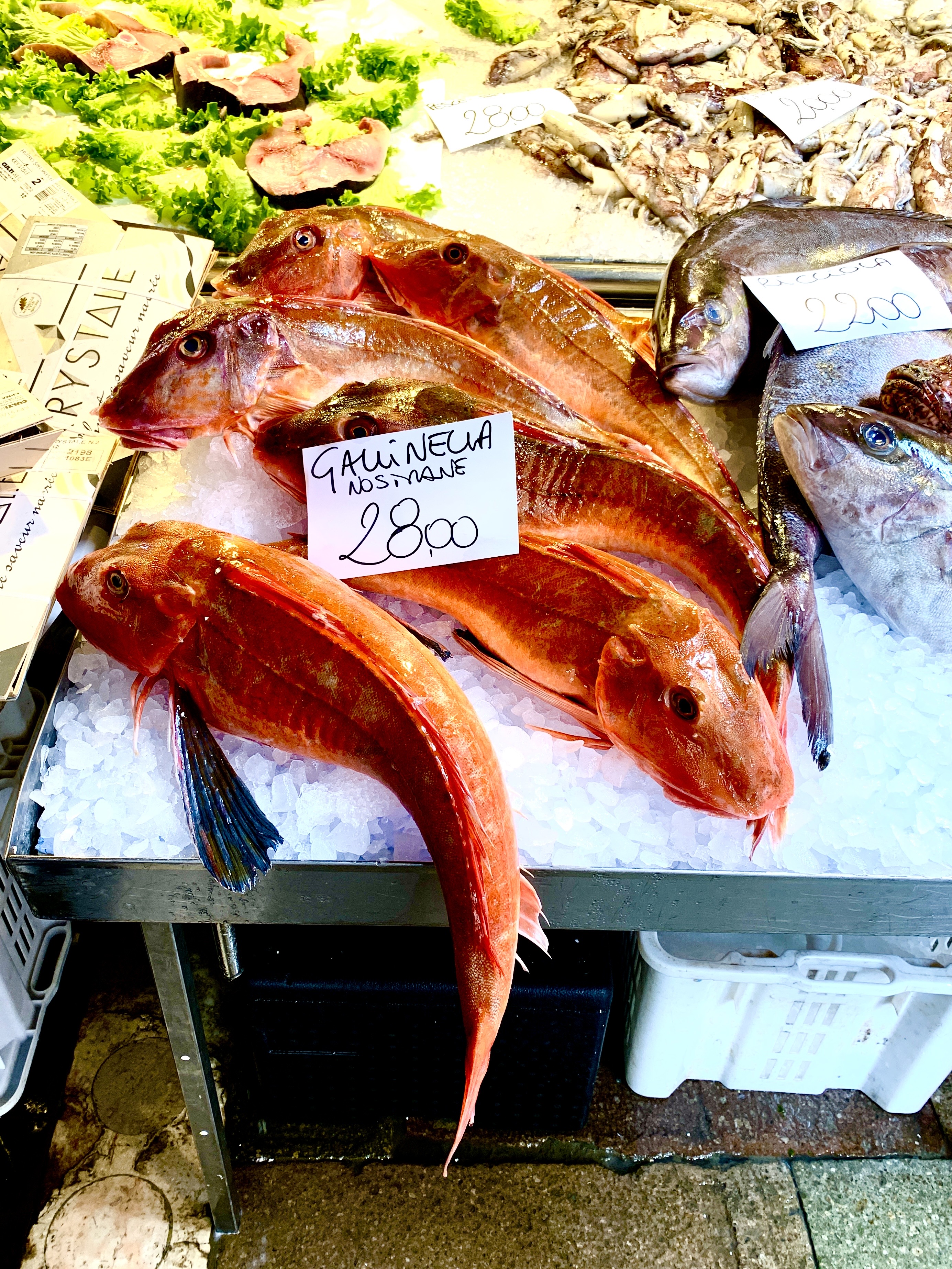
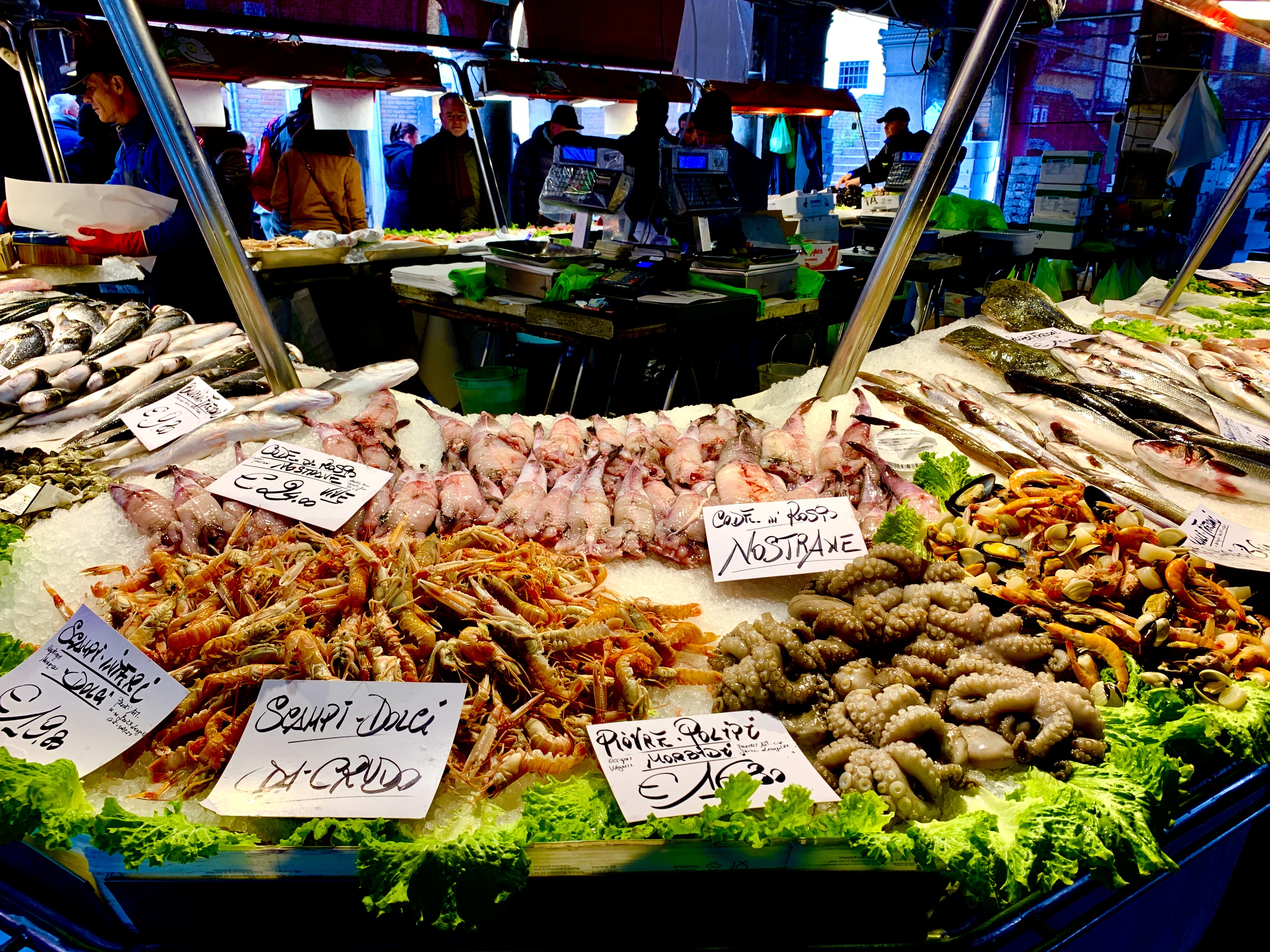
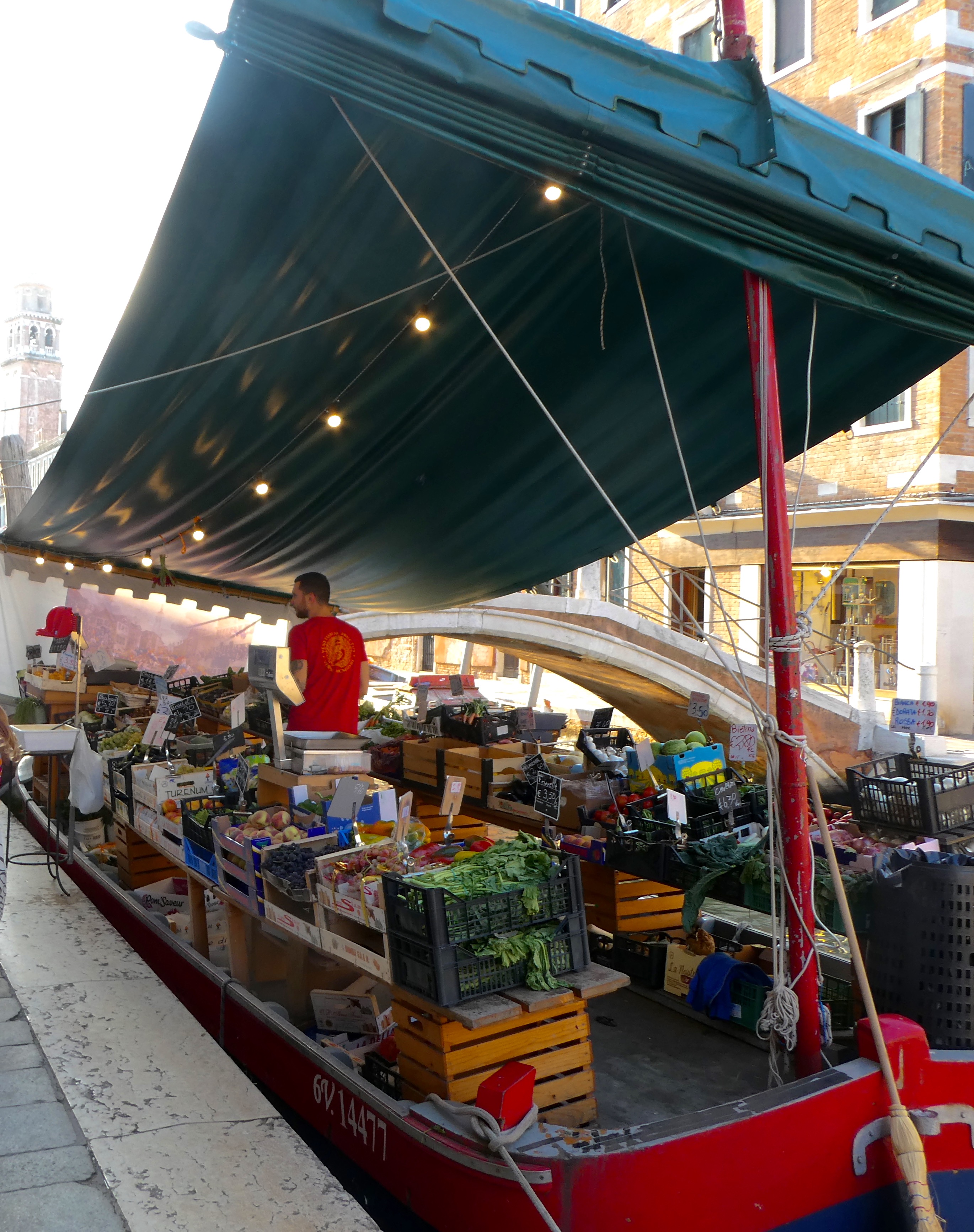
You should definitely visit the Vegetable Market and the Fish Market, next to each other near to the Rialto bridge. If it’s not the variety of colours at the Vegetable Market which first catches your attention, it will be the smell of the fresh vegetables which we miss at home where everything is clingfilm-wrapped. Here you will find the basics and the exotics together in abundant display as if waiting for the judges at a Harvest Festival competition. Every day is a Farmers’ Market day, but visit early before the restaurants and the locals buy up all the prize items. You must be early too for the Fish Market (but it’s closed Sundays and Mondays) if you want to see the pick of the catch – they will be bought and cooking somewhere by lunchtime leaving only bare stalls to be hosed down and a smell of fish in the air. It a favourite venue for seagulls!
Take a look at the famous vegetable barge, always moored by Campo San Barnaba. You will wonder how so many fresh vegetables are brought there each day, the pick of the crop.


RESTAURANTS
All the restaurants we recommend are of a good standard, and affordable. Prices are comparable to London, and in February 23 we paid on average €40/45 per person, with wine. There are plenty of pizzerias where you can eat much more cheaply, but beware of “menu turistico” – these vary in quality and quantity and can be really boring.
Where it’s essential to book, the concierge at your hotel will help – or go along in person and check it out.
1/10 CASIN DEI NOBILI Calle Tolletta (near Campo San Barnaba) Dorsoduro 2765 Vaporetto stop: Ca’ Rezzonico Tel: 041 241 1841 Booking recommended for early evening. Closed Monday
One of our favourites. There’s an indoor room, and a room that’s open to the stars (don’t worry, they have a canopy that completely encloses it if it rains) which is very pleasant. It opens for lunch and dinner. It is now managed by Ruggero Boesser, and has an interesting menu, which is worth studying. The fish is very good. Do make sure that your menu contains the ‘menu of the day’. It may give your appetite an edge to know that you’re eating in a former brothel.
2/10 AI ARTISTI Fondamenta della Toletta. Dorsoduro 1169/a Vaporetta stop Ca’ RezzonicoTel: 00 39 041 5238944 www.enotecaartisti.com
It’s tiny, so bookings are essential. The food is delicious, but what’s on the extensive menu displayed outside are examples and may not be on offer every evening. Their daily menu is simpler, specials for that day. You’re bound to find something to make your mouth water.
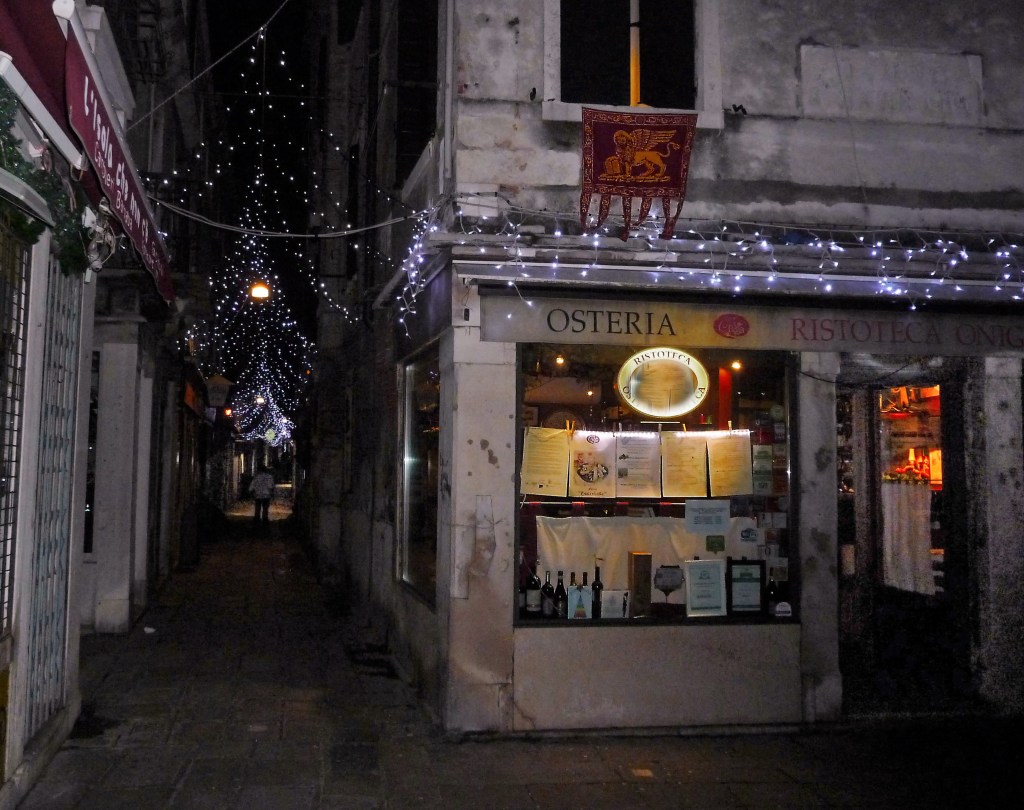
3/10 ONIGA Campo San Barnaba, Dorsoduro 2852 Tel: 041 099 4410 Closed Tuesday www.oniga.it Vaporetto stop: Ca’ Rezzonico
This restaurant is opposite the church in this lively square, with tables outside and in. It offers a vegetarian option, but beware: order all three courses, and you’ll have far too much to eat! The mixed vegetarian starter was so generous that I couldn’t eat all of the delicious lasagne that followed. Mike so much enjoyed his sardines in soar starter, and the beef in balsamic vinegar ,that he had it again on our second visit, but he too had to admit defeat at the huge portions. It’s a very friendly atmosphere.
4/10 LA BITTA Calle Lunga San Barnaba 2753a, Dorsoduro 30123 Tel: 041 523 0531 Closed Sunday
La Bitta is a short way down the Calle Lunga from Campo San Barnaba. There are two sittings, at 7 and 9, and it’s necessary to book. There is a small garden with just a few tables as well. Unusually for Venice, it doesn’t do fish. Your waiter will explain the menu, mounted on a small easel, and you can choose the starters, mains and desserts – all excellent. Signora Debra, the patrona, seems very serious, but she’s anxious to give you good food, and she will advise you if you over-order. Very pleasant.
5/10 ANZELO RAFFAELE Campo Angelo Raffaele, Dorsoduro 1722, Venice 30123
Tel: 041 523 7456 www.panevinosandaniele.net Nearest vaporetto stop: San Basilio. Closed for lunch on Saturday and Sunday.
It’s a bit off the beaten track, behind the church of San Sebastiano, but it’s really not that far, and is worth seeking out. There are two rooms inside, and on a warm evening, it’s lovely to eat outside in this quiet square. The patrona Patricia grew up in Canada, so her English is very fluent, and she will advise on the seasonal menu. The prosciutto and salumi are excellent; be aware that these cured meats are very rich, so you may not want a big portion as a starter, or of course you can share. Luigi takes great pride in his choice of wines – follow his recommendations.
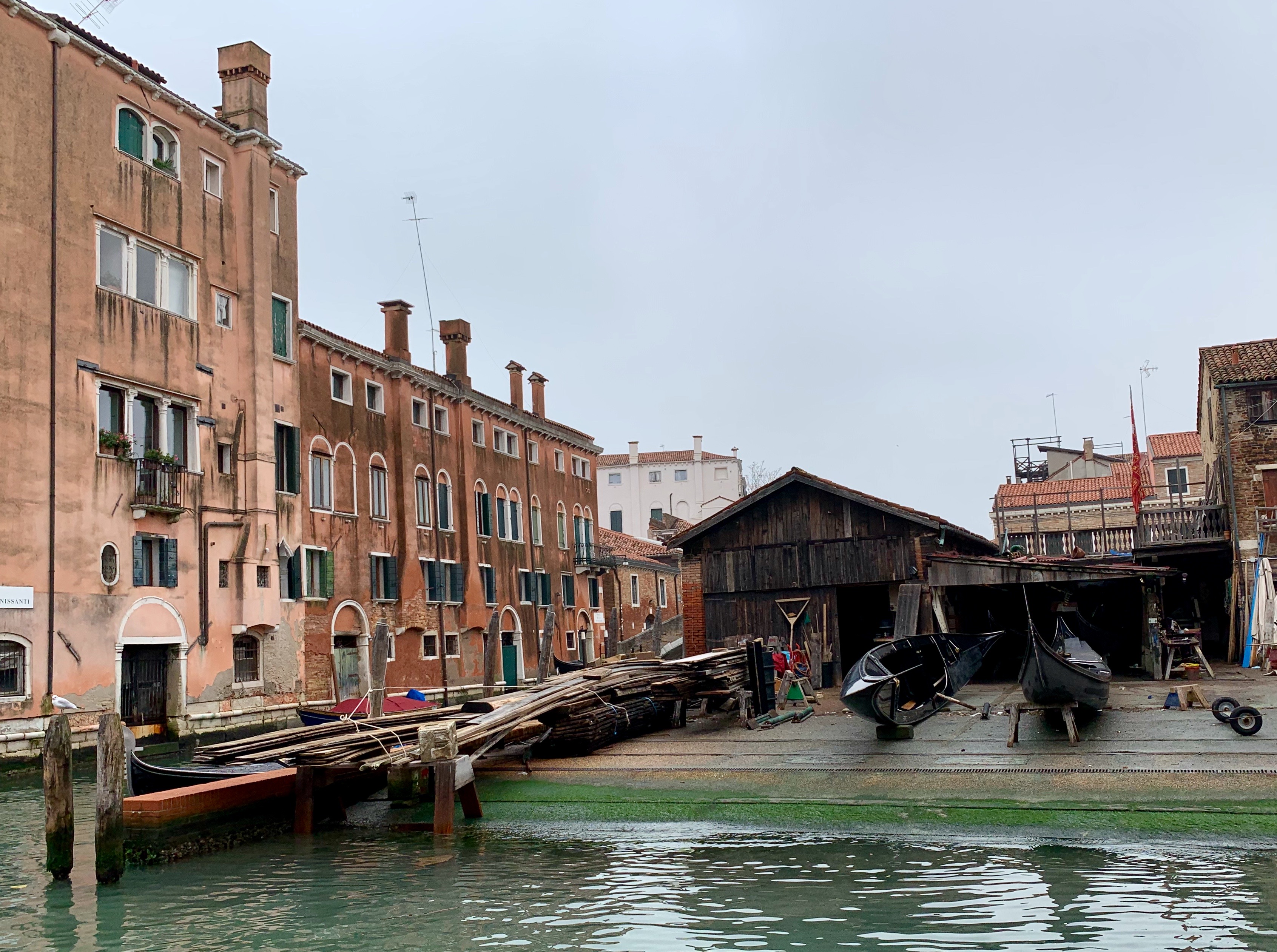
6/10 SAN TROVASO Fondamente Maravegie, Dorsoduro 1016 Tel: 041 520 3703 Closed Monday If you’re at the Terrazza del Casin Dei Nobili, don’t cross the bridge, but take a sharp right up the Fondamente Nani, which becomes the Fondamente Maravegie. You’ll see the gondola yard across the canal, and you pass the famous wine shop before you come to the San Trovaso. Everyone finds their way here, and though it’s vast (and they’ve opened an annex nearby) it’s still necessary to book. The standard is good, and it’s exceptionally good value.
7/10 LA ZUCCA Calle del Tentor, Santa Croce 1762 Dorosodoro Tel: 041 524 1570 Closed Sunday Vaporetto Stop San Stae, and follow your map towards Campo San Giacomo del Orio Booking essential
There are two sittings, at 7pm and 9pm, and it’s very unusual to get in by booking on the day. Make your booking at least 1 day ahead. It’s small and the menu changes daily, and they take it very seriously. However, the rich imagination in the cooking and interesting combinations of flavours it produces are worth the effort. I had tagliatelle with gorgonzola sauce – the pasta was properly al dente and the sauce piquant. (I also had the mixed vegetable plate, which was far more than I needed).
If you can’t get in here, the restaurant across the bridge on Calle Larga by the canalside is also very good.
All the restaurants above (more below) are in the Dorsoduro district because that is the district where we like to stay.

8/10 VILLA 600 Fondamenta Borgognoni 12, Torcello Tel: 041 527 2254
Closed Wednesdays
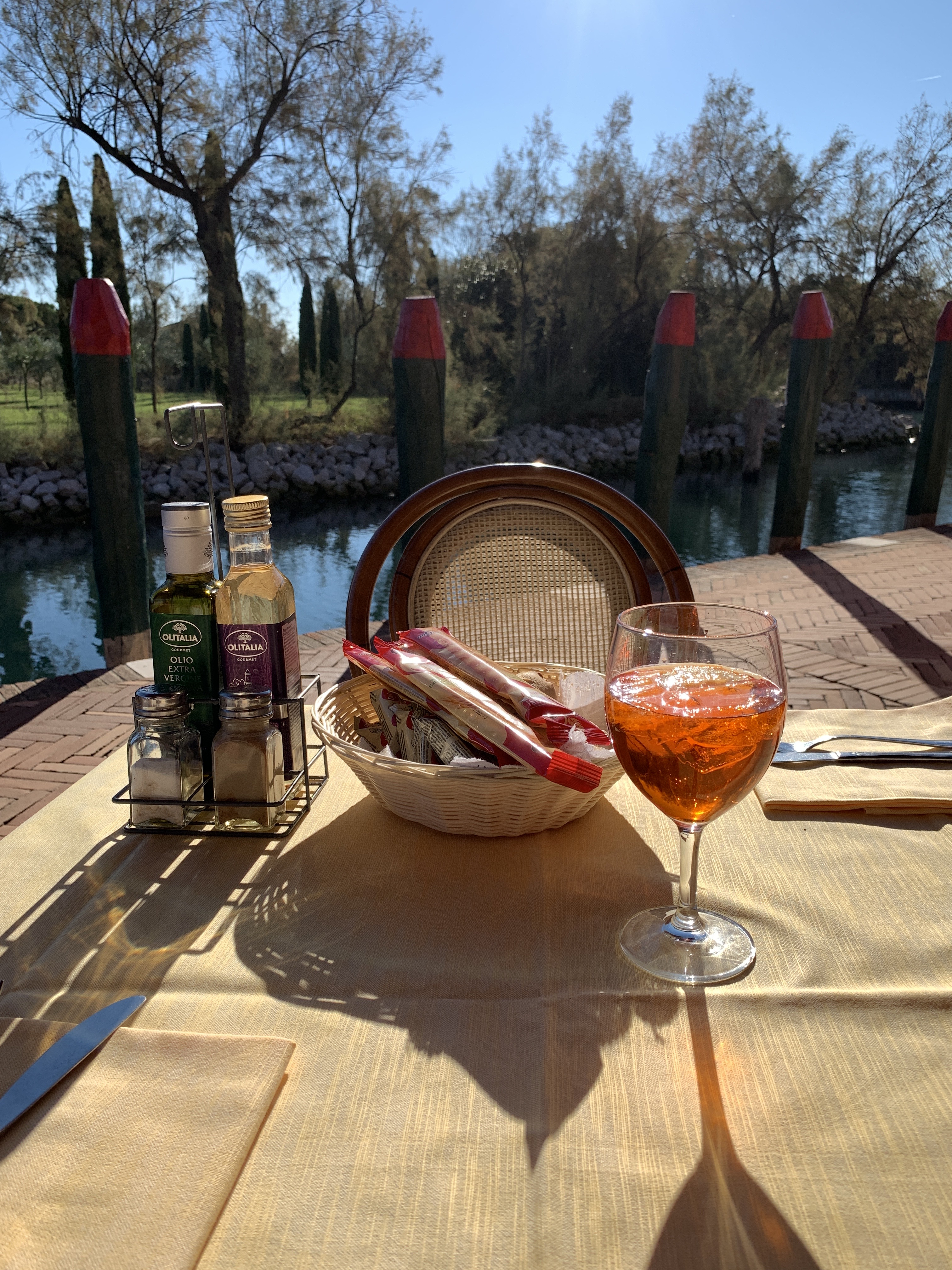
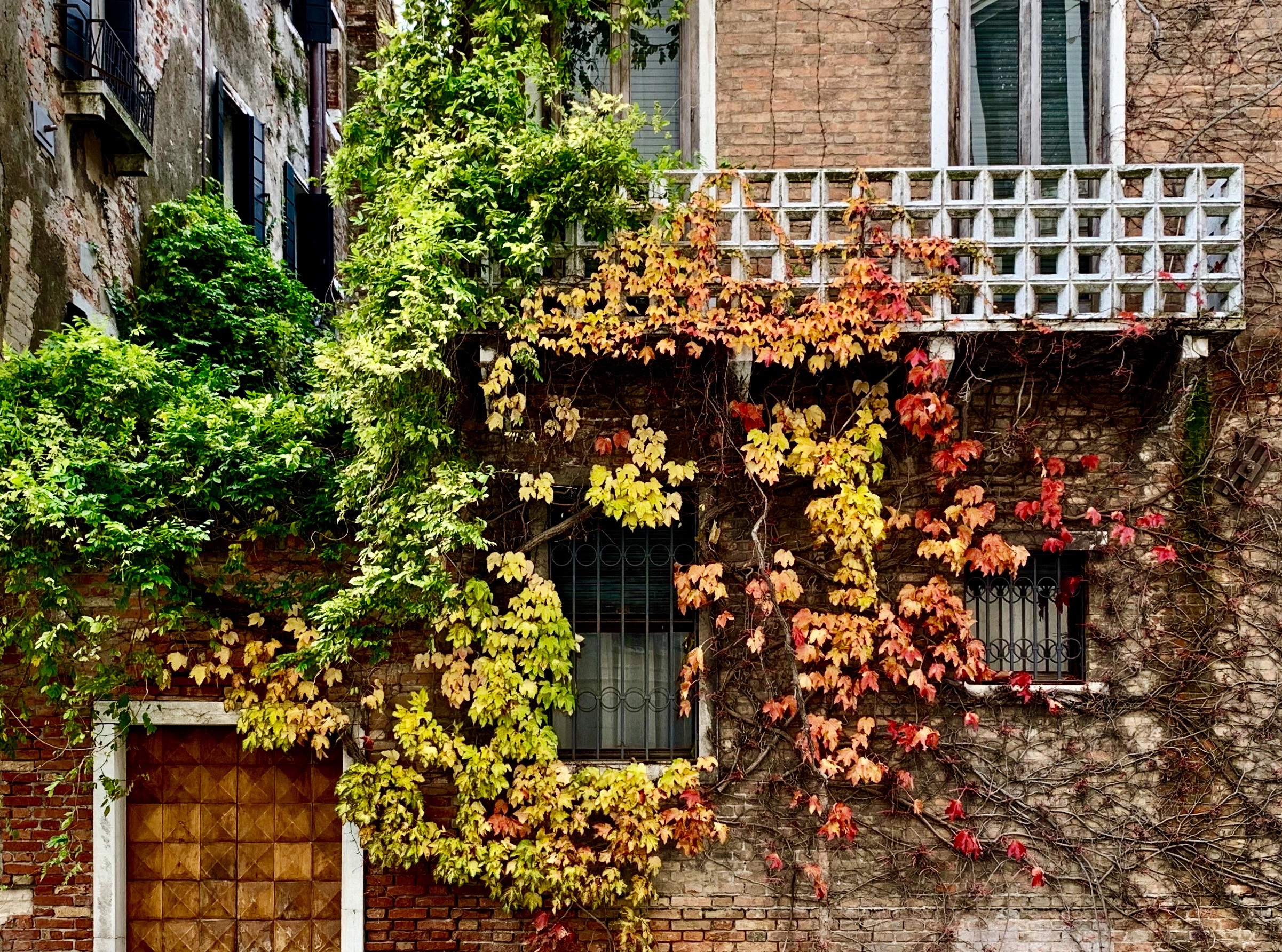
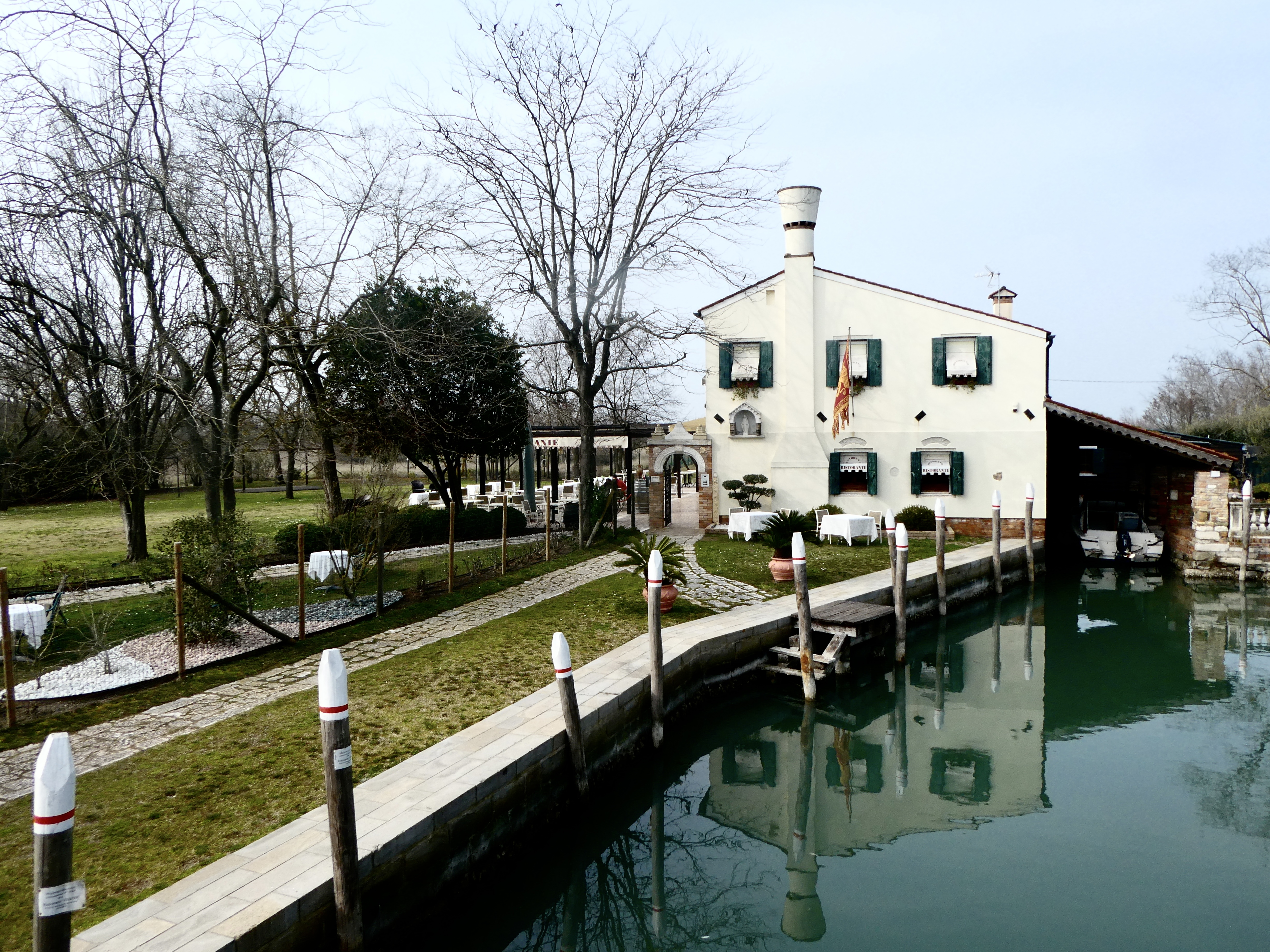
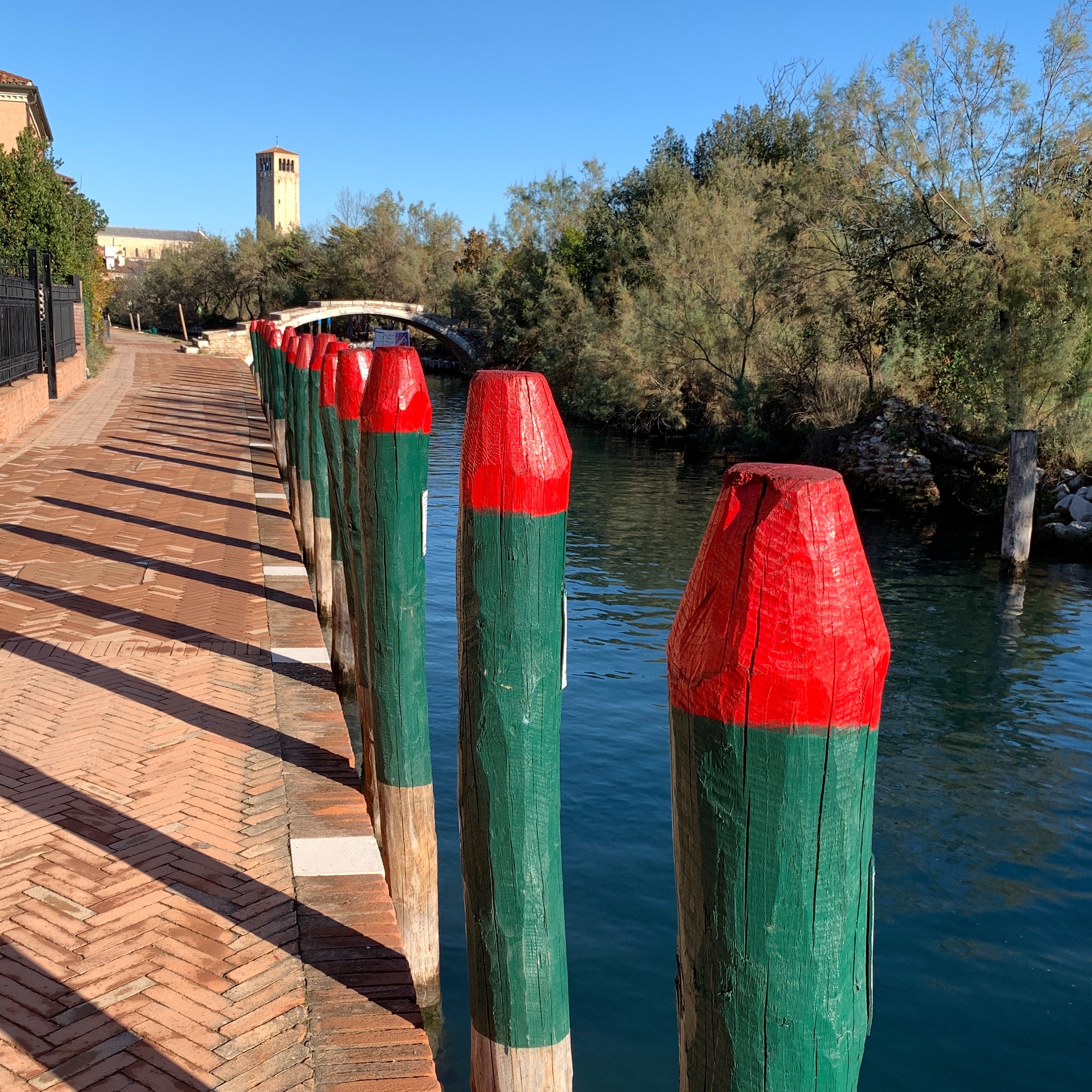
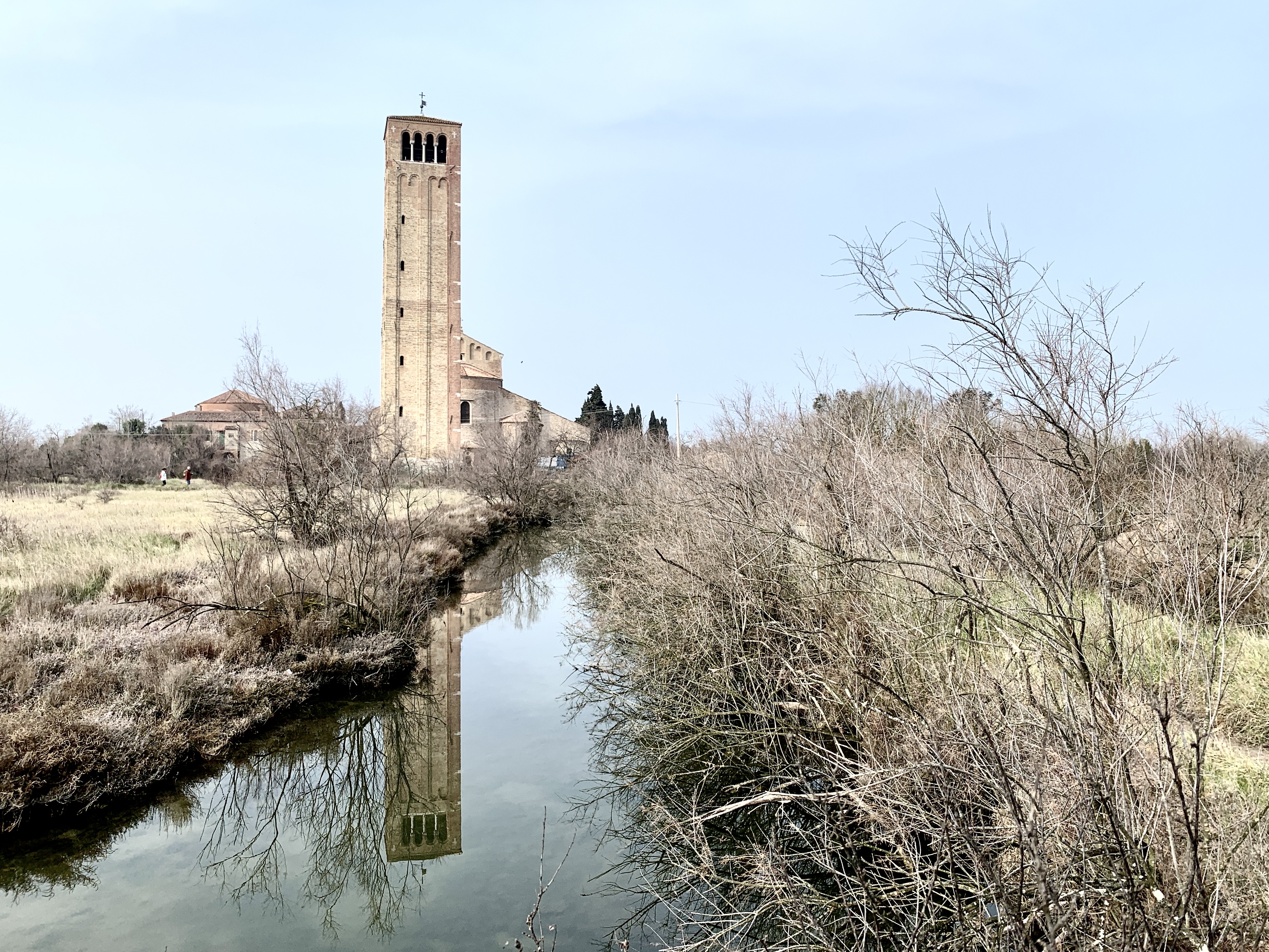
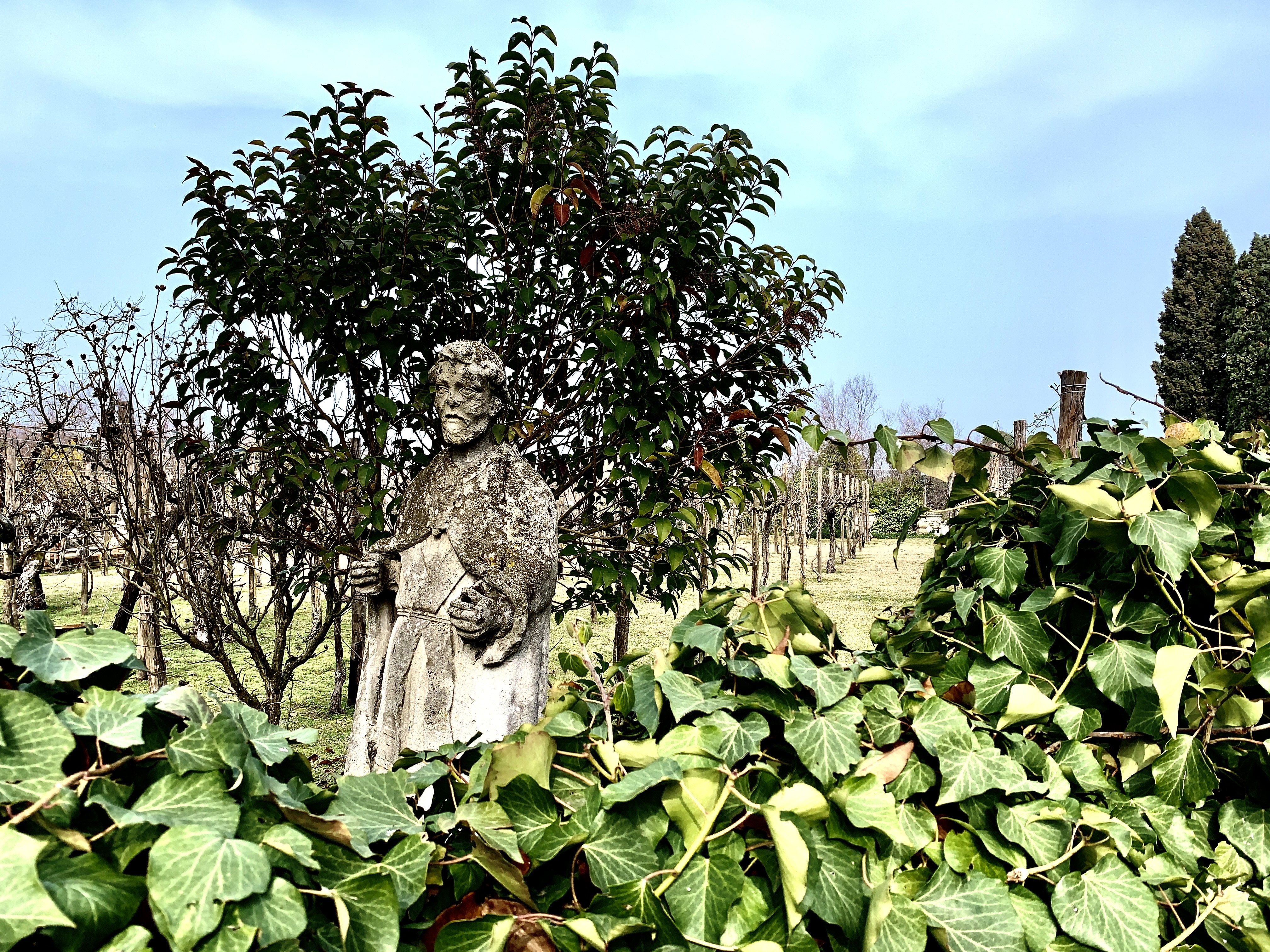
First you have to make your way to Torcello, one of the furthest islands, but worth the visit for the ancient basilica. Take a vaporetto from Fuente Nuova and change boats at Burano. Villa 600 is at the top of the canal, opposite the Locanda Cipriani. The Villa is a converted farmhouse, and it’s pleasant to eat in the garden. They use a lot of local produce, and the ambiance is a total delight for lunch in the open air under sunshades – flowers, sparrows, butterflies, peace. It’s perfect for lunch.


9/10 MISTRA Giudecca 212a Tel: 041 522 0743 Closed Monday evenings, and all day Tuesday
Vaporetto stop: It’s between Redentore and Giudecca Palanca
You’ll notice a large entry between the houses with signs for Mistra. This will direct you through the boatyard to the other side of the island, and the restaurant is up a metal staircase. In the evening, I’ve heard the menu described as “budget threatening” but at lunch-time it caters for the workers from the boatyard. Ask for the Menu del Giorno, and you’ll be offered a small pasta, a meat course with chips or salad, and a small dessert for a non-threatening price. We haven’t been in the evening, but it’s a place Venetians go to eat.
Our friend Nicholas wrote to say – The place we liked so much in Venice is:
10/10 OSTERIA DA ALBERTO, Calle Giacinto Gallina, Cannaregio 5401, 30121 Venezia. Tel & fax: 041 5238153 Closed Sunday
We were introduced to it by an Italian friend who came to visit us from his home in Auronzo in the Dolomites and we really liked the informality. You can stand or sit just inside the door to have a pre-lunch prosecco and admire all the lovely antipasti laid out on a marble table. They have two rooms, looking onto a small canal, furnished with comfortable rustic tables and chairs. It’s unpretentious but with efficient, friendly service. They recognised us the second time we went even though our Italian friend was no longer with us. We liked the fact that the two brothers who run it have two or three specials each day – all fish and seafood – and they will offer you a half portion of two of them on the same plate so that you don’t have to decide which might be the nicer.
We went along to sample it, and found that Nicholas was right on every point.
+ HARRY’S BAR Calle Vallaresso 1323 St Mark’s Tel: 041 528 5777 Open daily
Conveniently, it’s just by the San Marco/Vallaresso vaporetto stop. It’s in the “ruinously expensive” category. However, for some people, it’s the top of their “wants” list as it’s so well-known. Treat yourself to a Bellini. Gentlemen, don’t wear shorts.


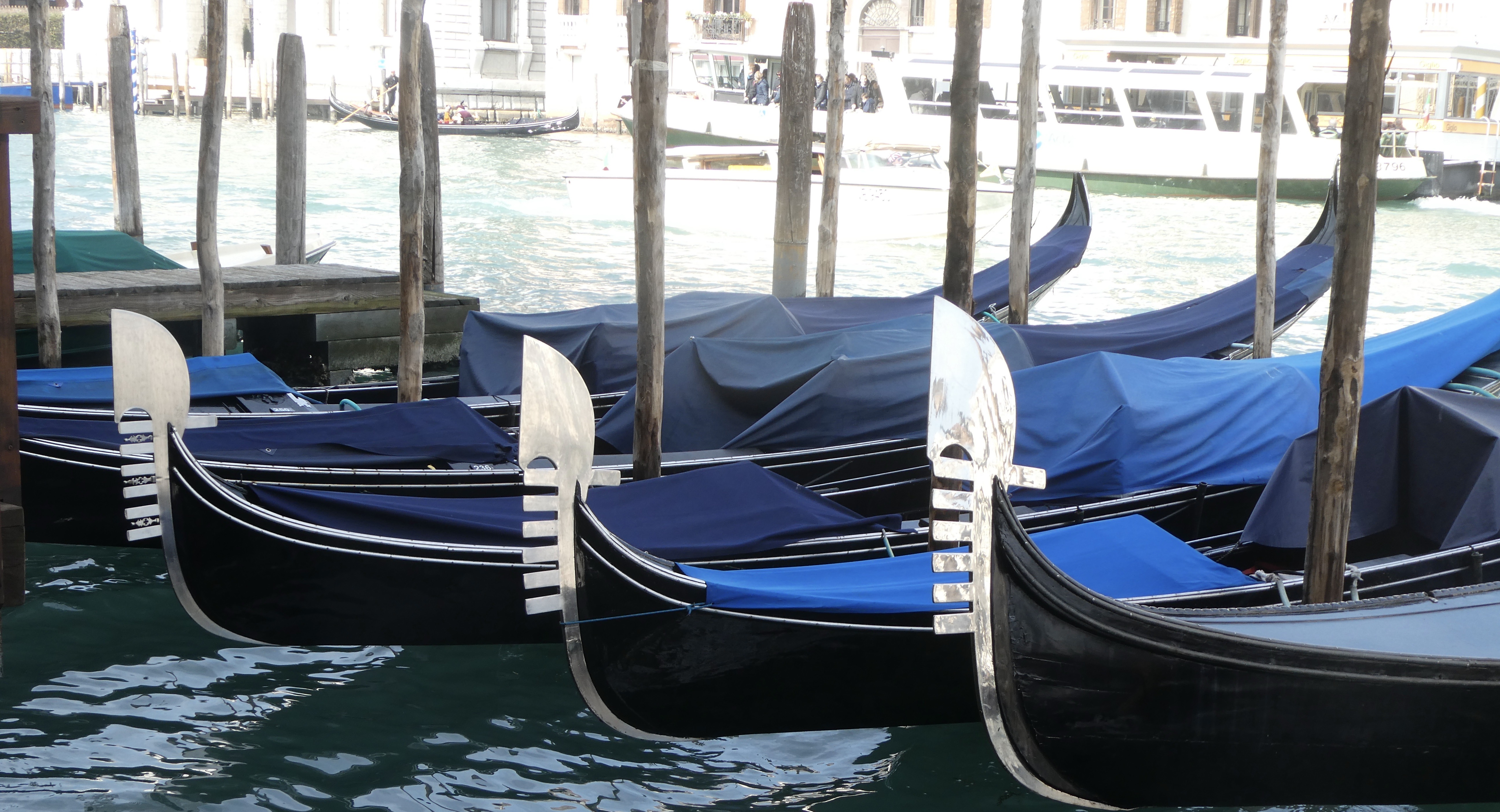


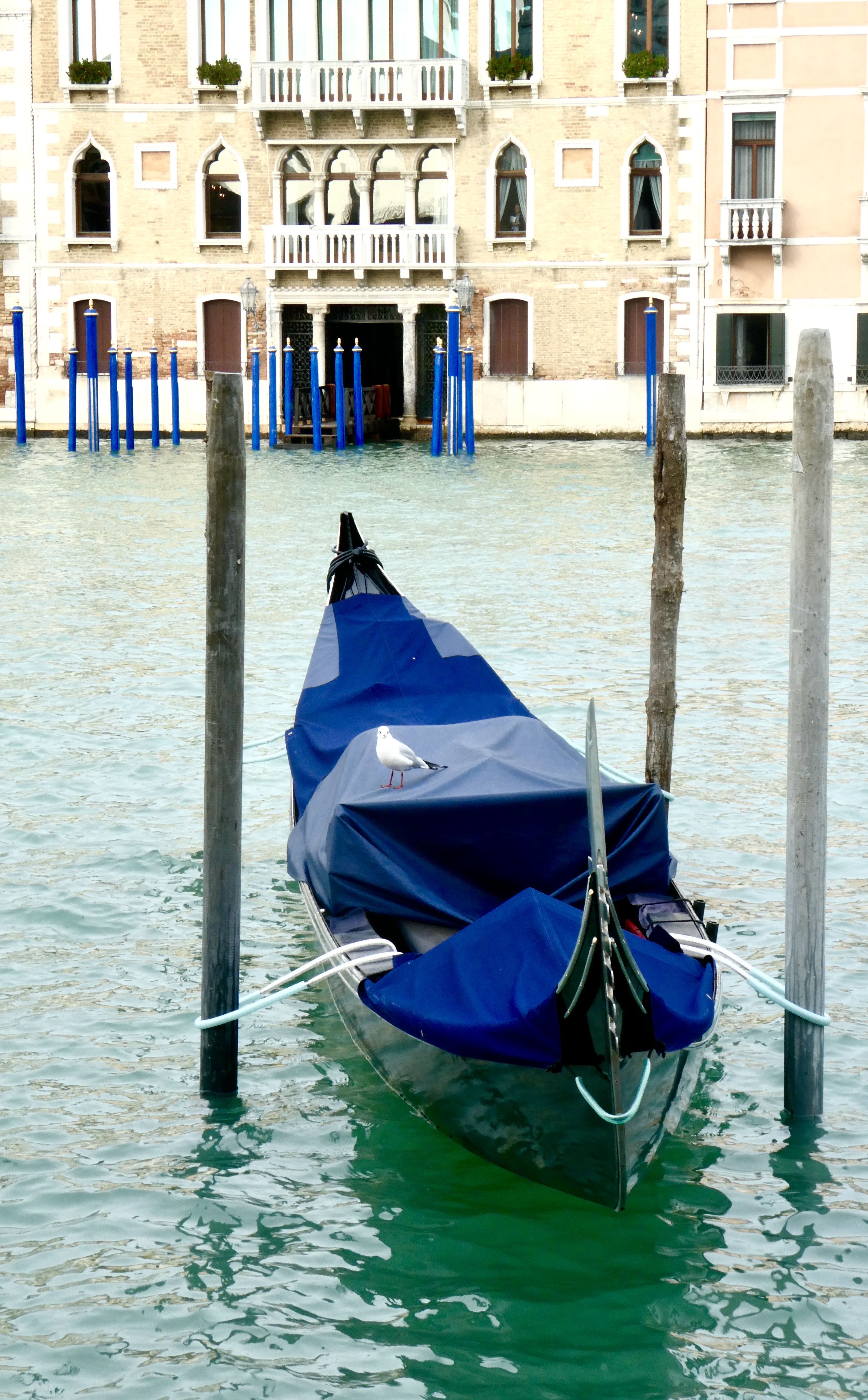
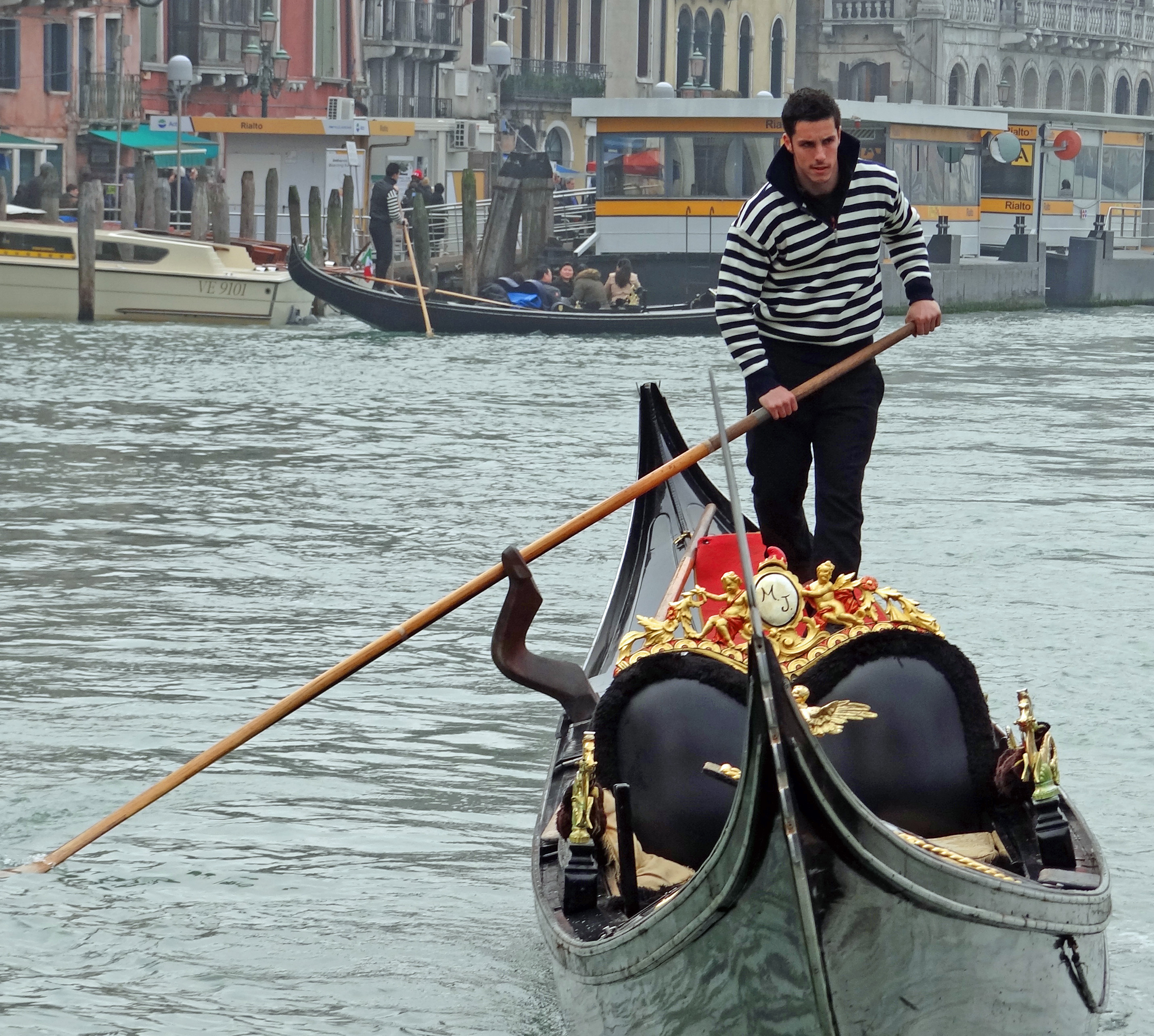
THE CAPPUCINO HABIT
All bars in Italy are required by law to display their tariff outside their premises, so you should always check how much you’re going to be charged before you order your much-needed cappuccino. If you choose to sit outside and enjoy people-watching in the sun, then you will be charged more than if you stand at the bar. And if you’re in a busy tourist area, the prices rise as well – you pay half the price in the next street!
A useful addition on the busy tourist track near the Frari and the San Rocco is BOTTEGA DEL CAFFE DERSU which sells extraordinarily cheap refreshments!
The area between the Salute, the Guggenheim and the Accademia is strangely lacking in places to find a cup of coffee. You’re almost at the Accadenia before you find Gino’s in Calle Sat’ Agnese. Perhaps that’s why Gino charges a bit more than anyone else.
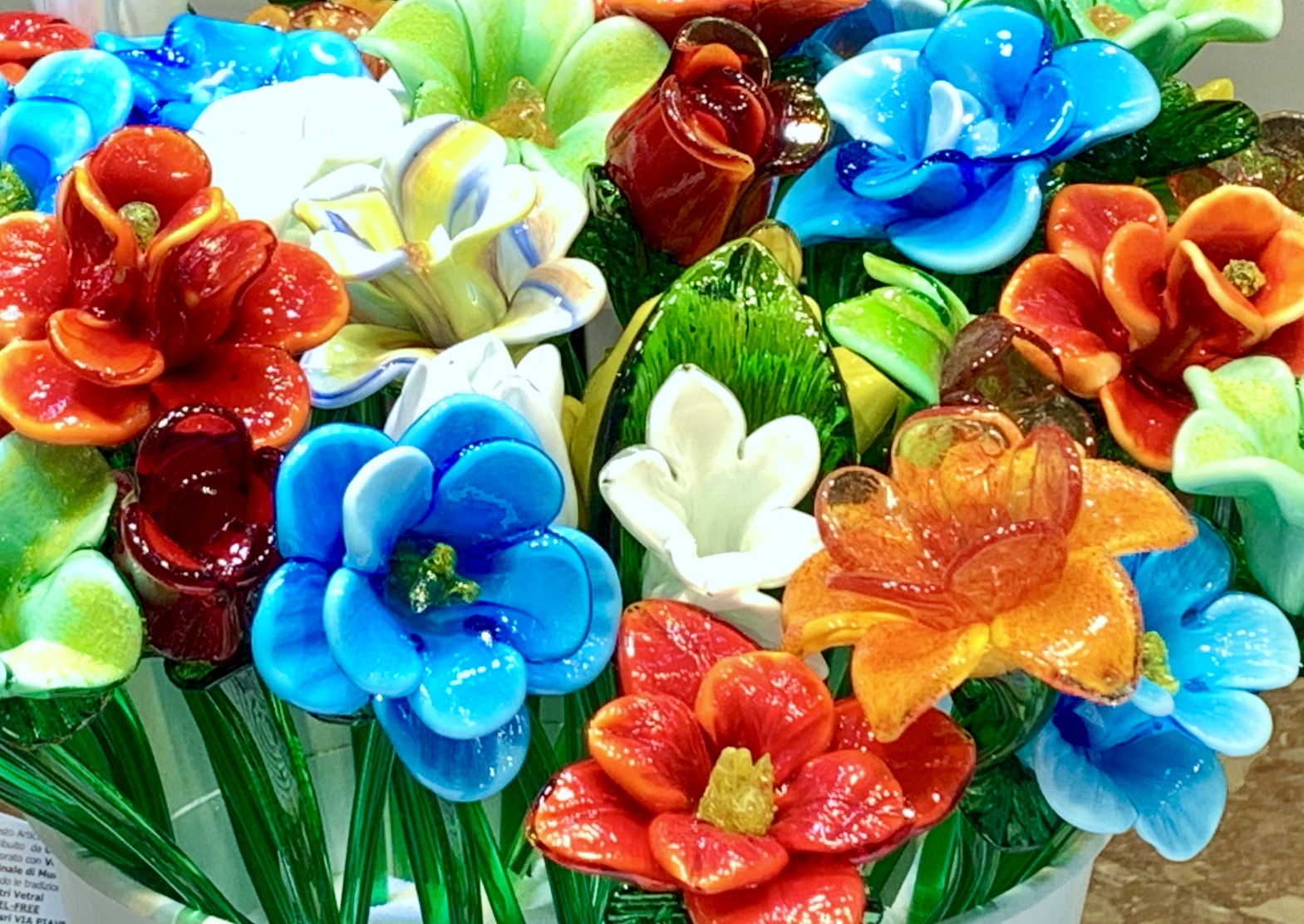
VENETIAN GLASS There is no shortage of shops in Venice where you can buy glass, and many people like to visit Murano, the traditional home of glass-making. A lot of the glass is not of good quality, and it’s a great shame that Venetian glass is judged on the basis of this mass-produced rubbish. A number of talented craftsmen and women are working in the Dorsoduro, and you will find them if you stroll from the salute to Campo Santa Margarita. You will find very high quality at reasonable prices (though some can be very dear!) and much better value than you will find in some other areas.



THE VENICE CARNIVAL
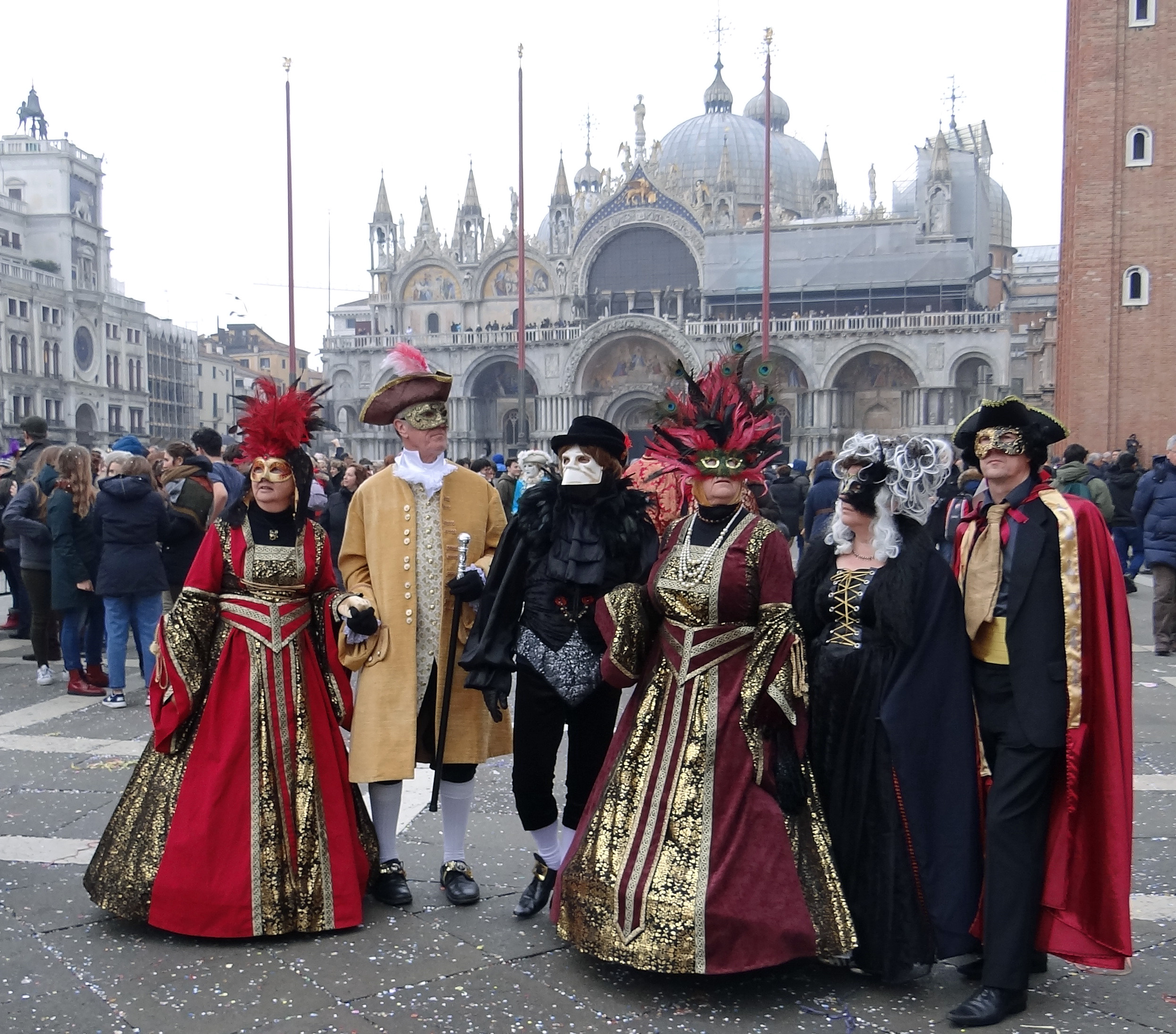
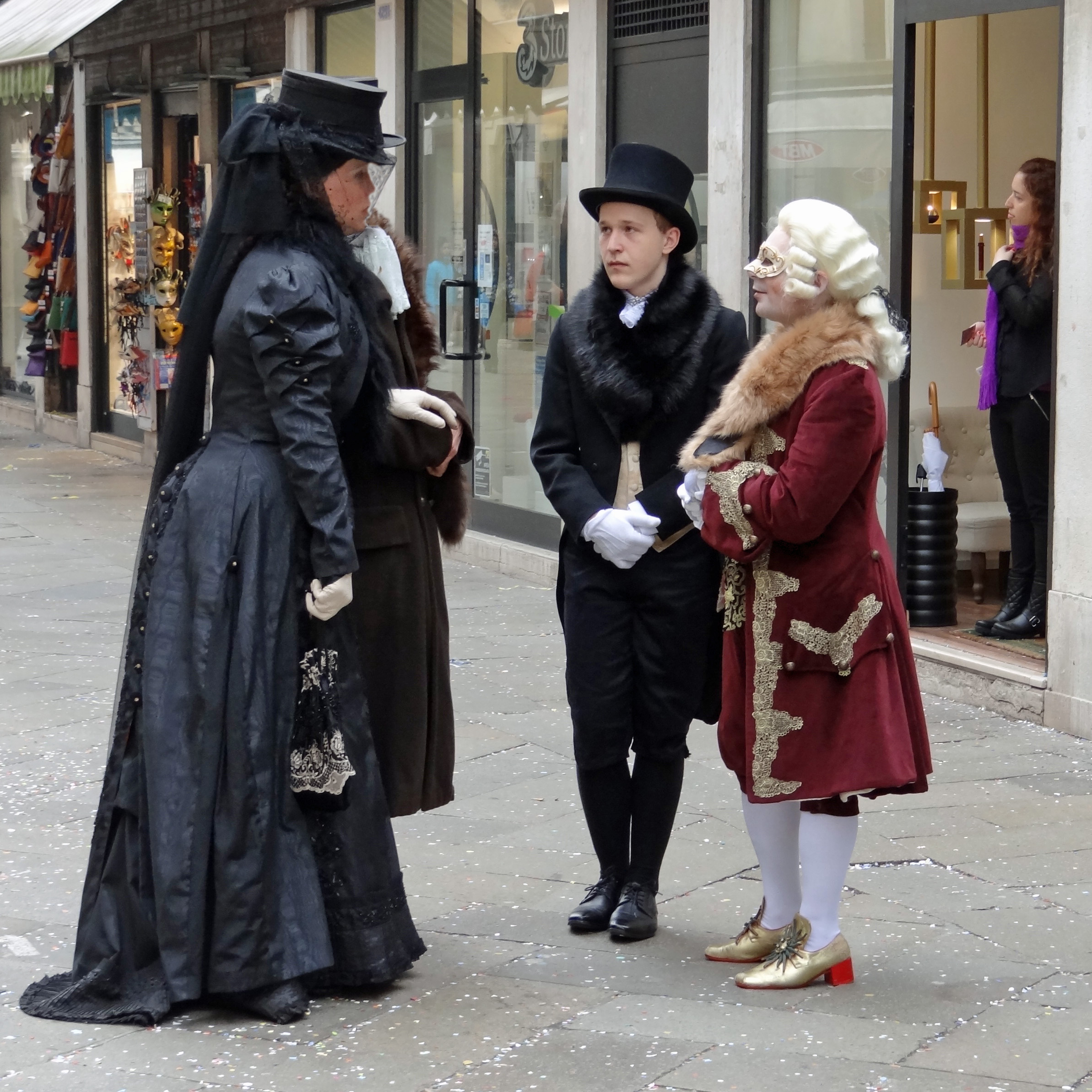
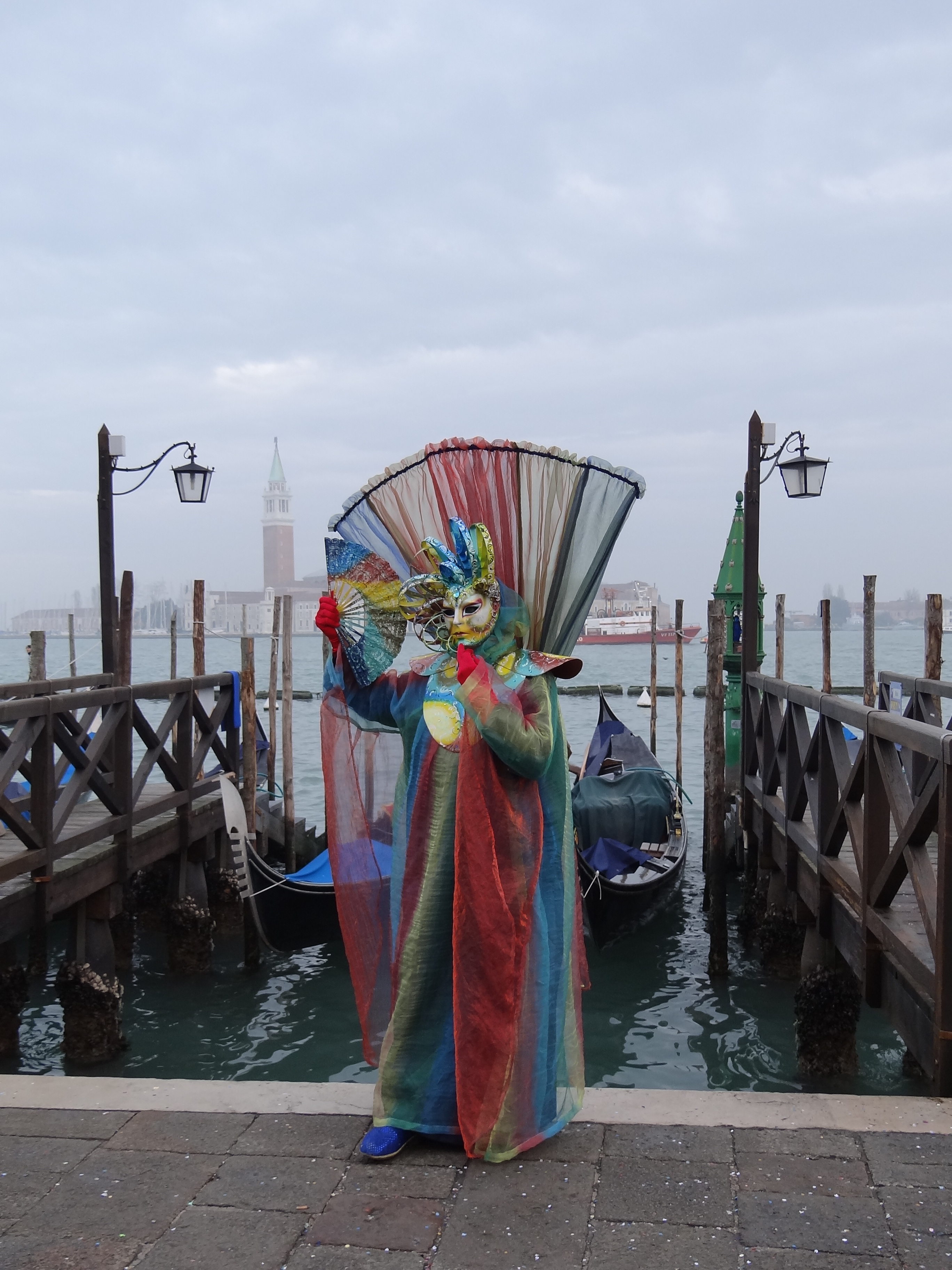
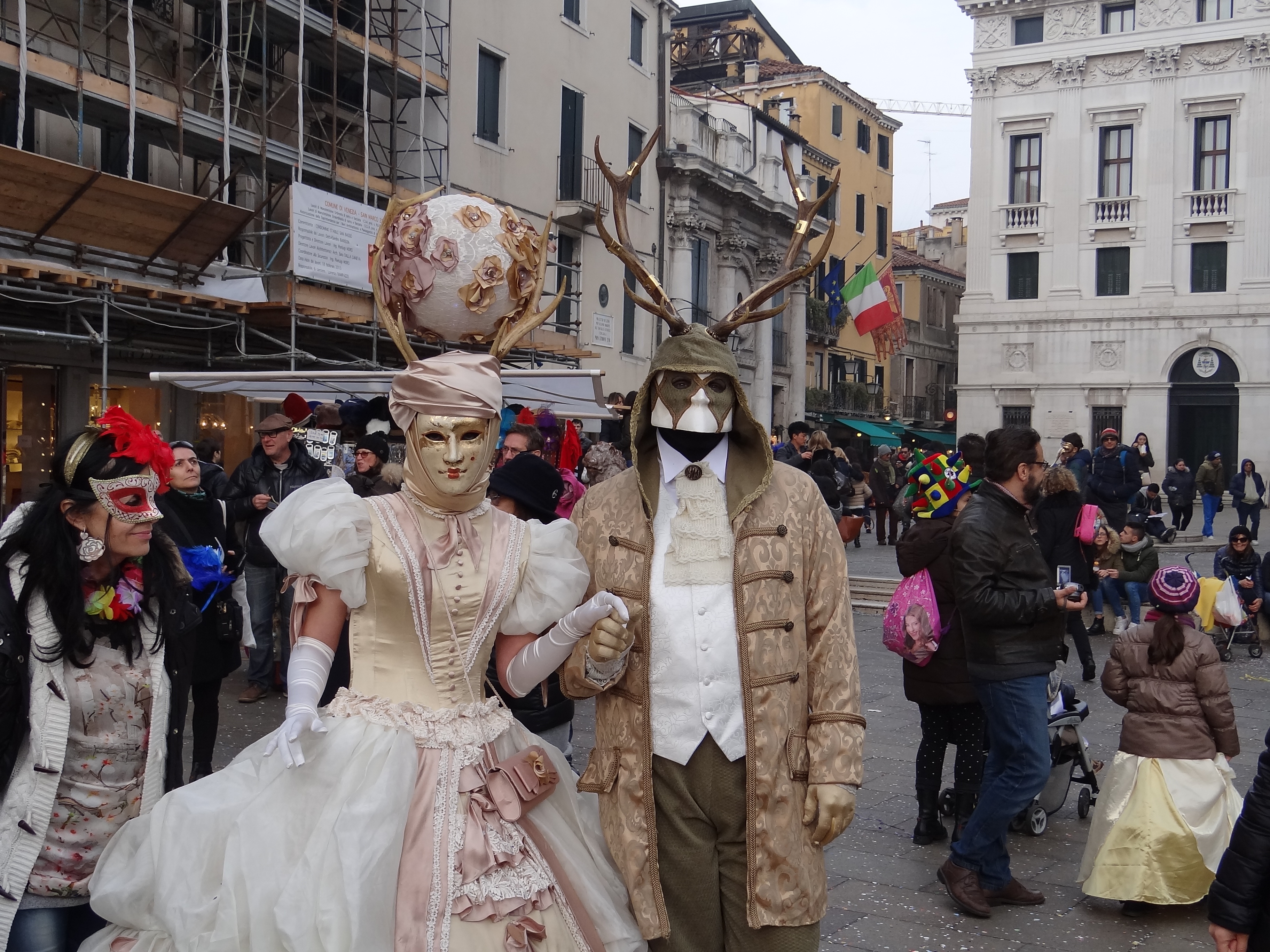
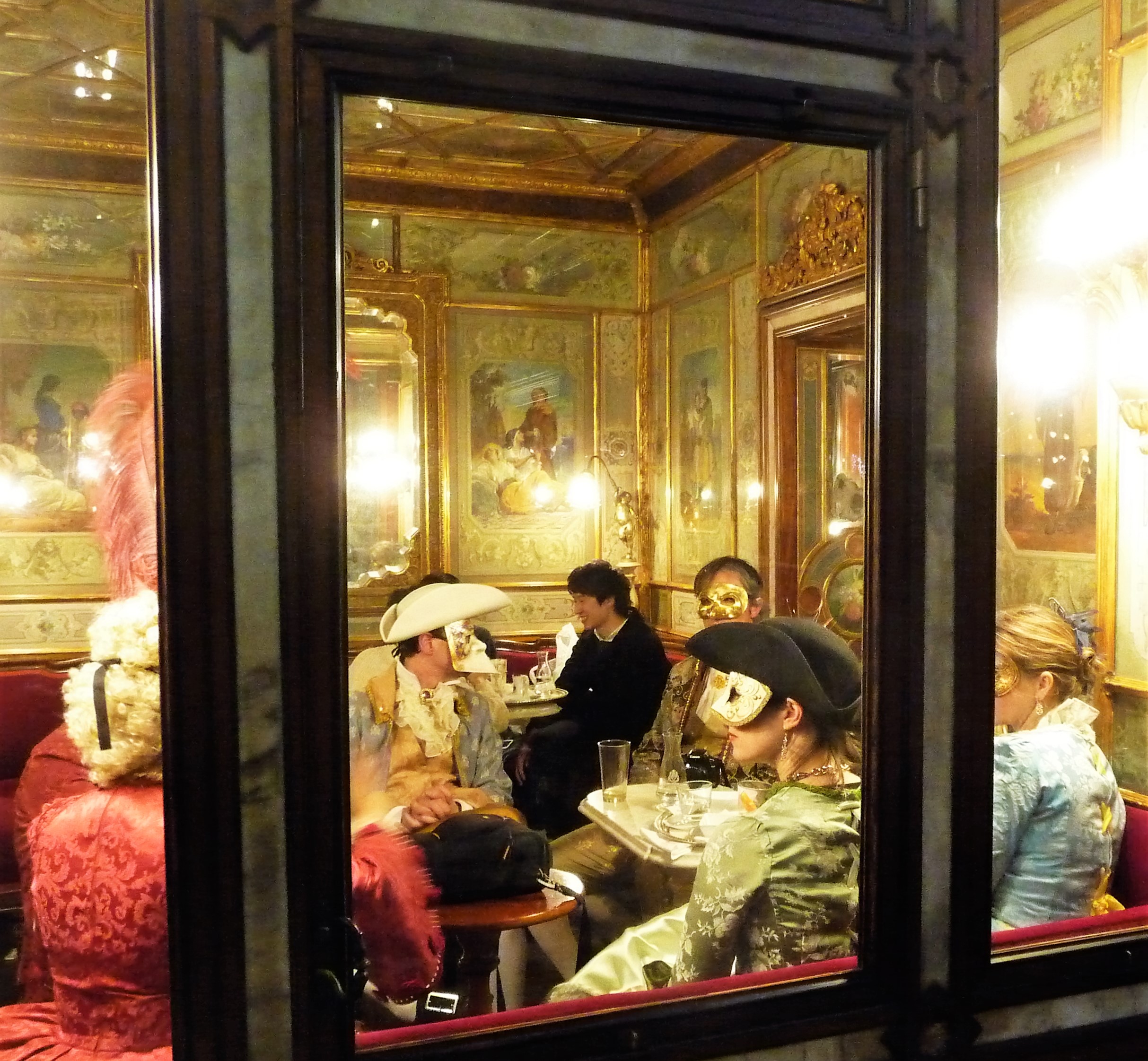
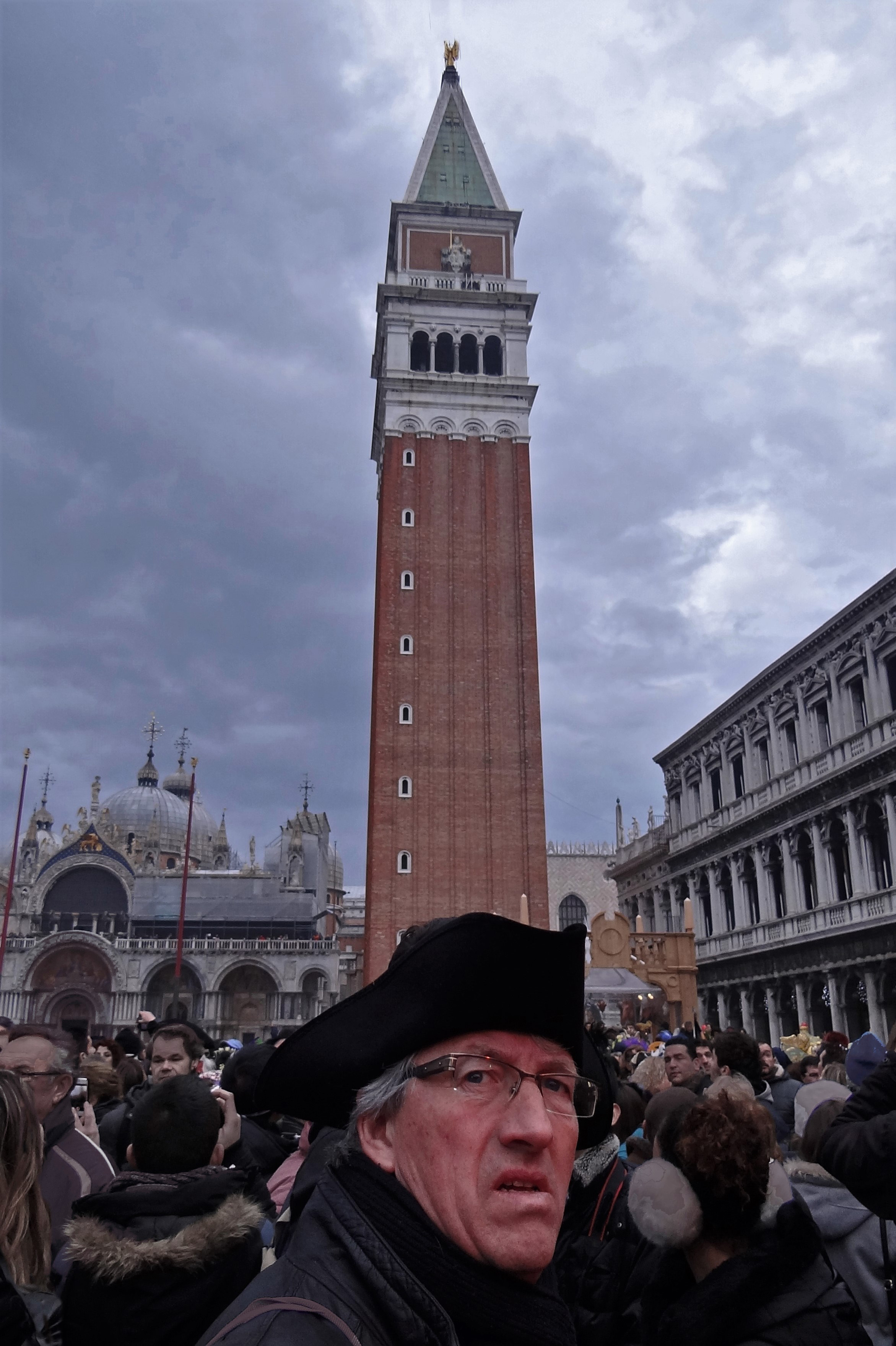
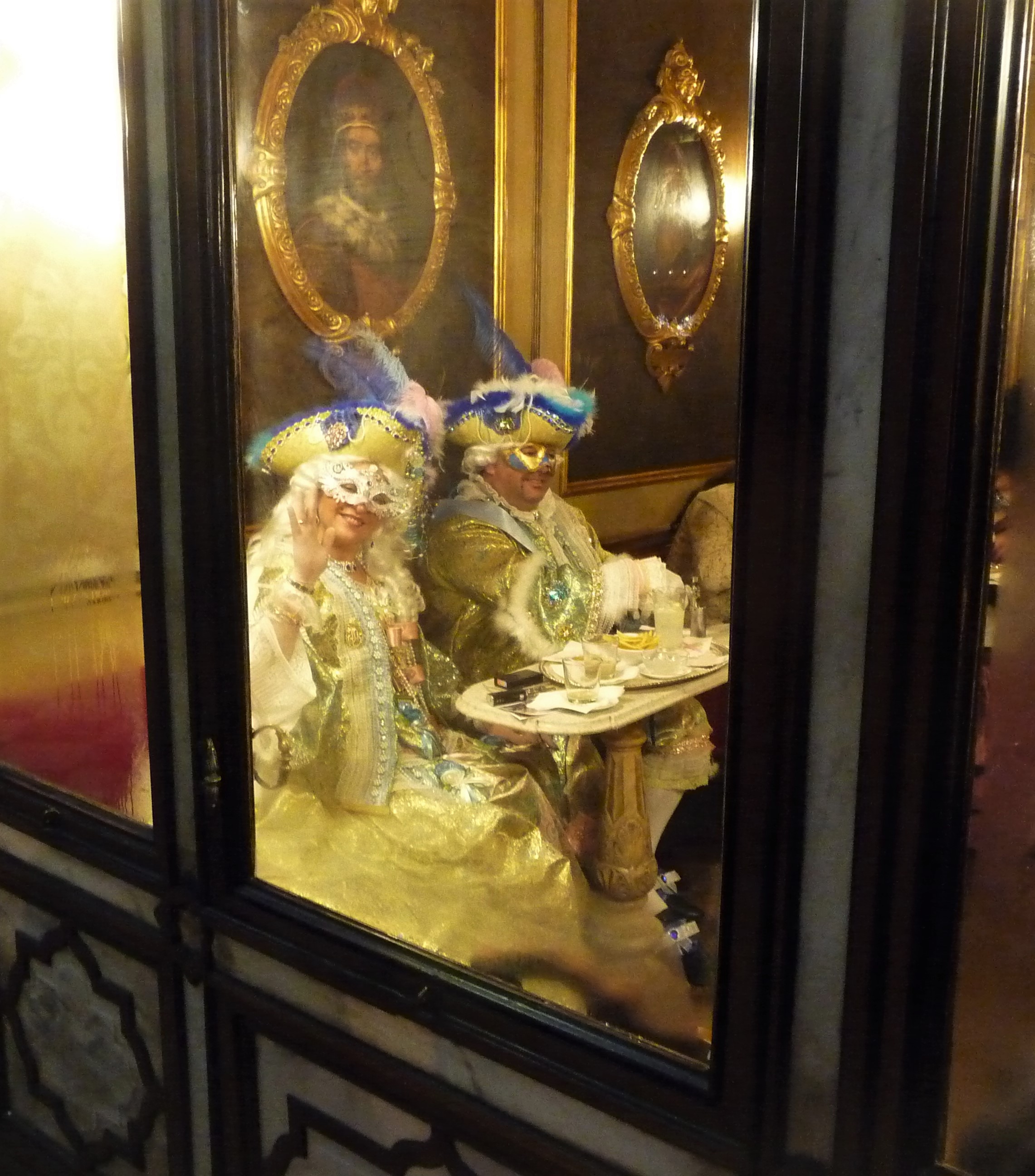
Everywhere in Venice you will see Carnival masks for sale, a reminder that Venice’s most famous festival is the Carnevale di Venezia, held each year for ten days or so in mid February. This may not be the sunniest month to see Venice in all its glory but the Carnival adds an extra colourful flourish and excitement to the city, turning an off-season period into a popular choice. We have not visited Venice for the Carnival but friends have put on their costumes and masks and had a ball, literally. It’s an excuse to dress up in Venetian finery, hide yourself behind a flamboyant mask and go to one of the many Balls held in the palaces of Venice. Or just enjoy the fun as revellers show off their costumes in the squares. Gorge on fritelli, the delicious little doughnut-type pastries eaten before Lent begins.

RESTORATION
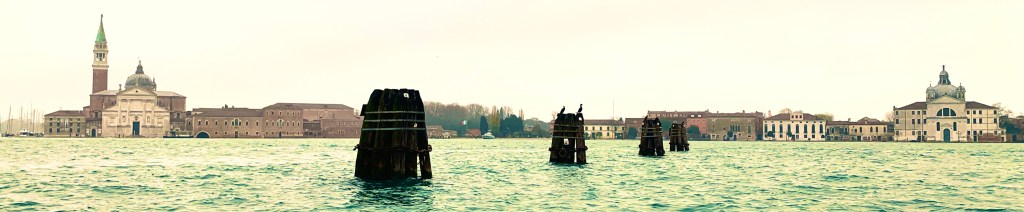
If we gloomily think of death in Venice, of course we must blame Mann and Visconti for the book and the film. And then there was Don’t Look Now to add an extra chill to our associations with the city. But don’t forget that Katharine Hepburn gave us Venetian sunshine, laughter and romance in Summertime, and more recently even James Bond made our pulses quicken when he demolished a palazzo on the Grand Canal in Casino Royale. Even Tom Cruise brought excitement to Venice in 2023 with some scenes from Mission: Impossible – Dead Reckoning filmed there. Yes, there’s a lot of life in Venice, and far from being a dying city, it keeps reinventing itself in order to stay alive. For centuries Venice crumbled away and that is part of its charm, but we want Venice and all its ornate flourishes to continue to cast their magic spell on us for more centuries to come and that is why a new urgency is being given to restoration. Today you can’t look at Venice’s skyline without seeing cranes towering over domes; scaffolding is covering many palazzos, canals are being dredged and their walls repaired to keep dampness out of foundations; new drainage is being installed; and most importantly a barrier has now been built to keep the high tides out of the lagoon. All this is hugely expensive and so every effort is made to raise extra cash. Large adverts promoting designer goods are placed on the hoardings covering scaffolding – in July 2010, the Bridge of Sighs was surrounded by ads for designer watches and the Accadamia Gallery was shrouded in huge Burbury ads as expensive restoration took place out of sight. Happily restoration on these ‘sights’ has now been completed but the restorers have moved on elsewhere. Big summer concerts bring big spenders to St Mark’s Square where a large stage and banks of seating compete for attention against the backdrop of St Mark’s Cathedral. Film crews arrive regularly. I can hear you groan with dismay at the thought of such monstrous intrusions into the historical and picturesque ambience of this unique city. But we must be realistic – all this work is vital to Venice’s continued existence. We may regret the dwindling population and the disappearance of small local shops, but the city will flourish as long as visitors continue to come, and they surely will. As scaffolding comes down and dilapidated buildings are returned to their former glory, Venice proves it is a city with life in it yet, a unique city which still retains all the romance and the magic we expect from it.
VENICE MUSIC
You’ll find lots of information on www.musicinvenice.com
INTERPRETI VENEZIANI gives concerts every evening at Chiesa San Vidal (Vaporetto stop Accademia, and then cross the Accademia bridge) in Campo San Stefano. Tickets were 35 euros, with reductions for seniors and students. There are two programmes, and Vivaldi features prominently in both.
Check out the Friday concerts at 6pm at CONSERVATORIO DI MUSICA. These take place during term, and entry is free. The conservatory is in Campo Pisani, off Campo San Stefano.
VENICE’S THEATRE
We haven’t forgotten this is a website for theatregoers, and so –
TEATRO LA FENICE, Campo San Fantin 1965. Tel: 041 528 3780,
reservations 04102424; www.teatrolafenice.it Vaporetto stop Santa Maria del Giglio
It used to be impossible to get tickets, but now it’s more user-friendly, and the box-office staff are helpful. The side seats in the front row in the top circle afford good views and aren’t too expensive. There are subtitles in Italian and English.
You can join a guided tour of the building, and it’s well worth it, especially as in 2003 the Phoenix rose once again, beautifully restored, from the ashes of the fire in 1996 that destroyed 80% of the building. Tours are offered daily, but tours in English seem to be at different times each day – and it’s essential to book in advance.
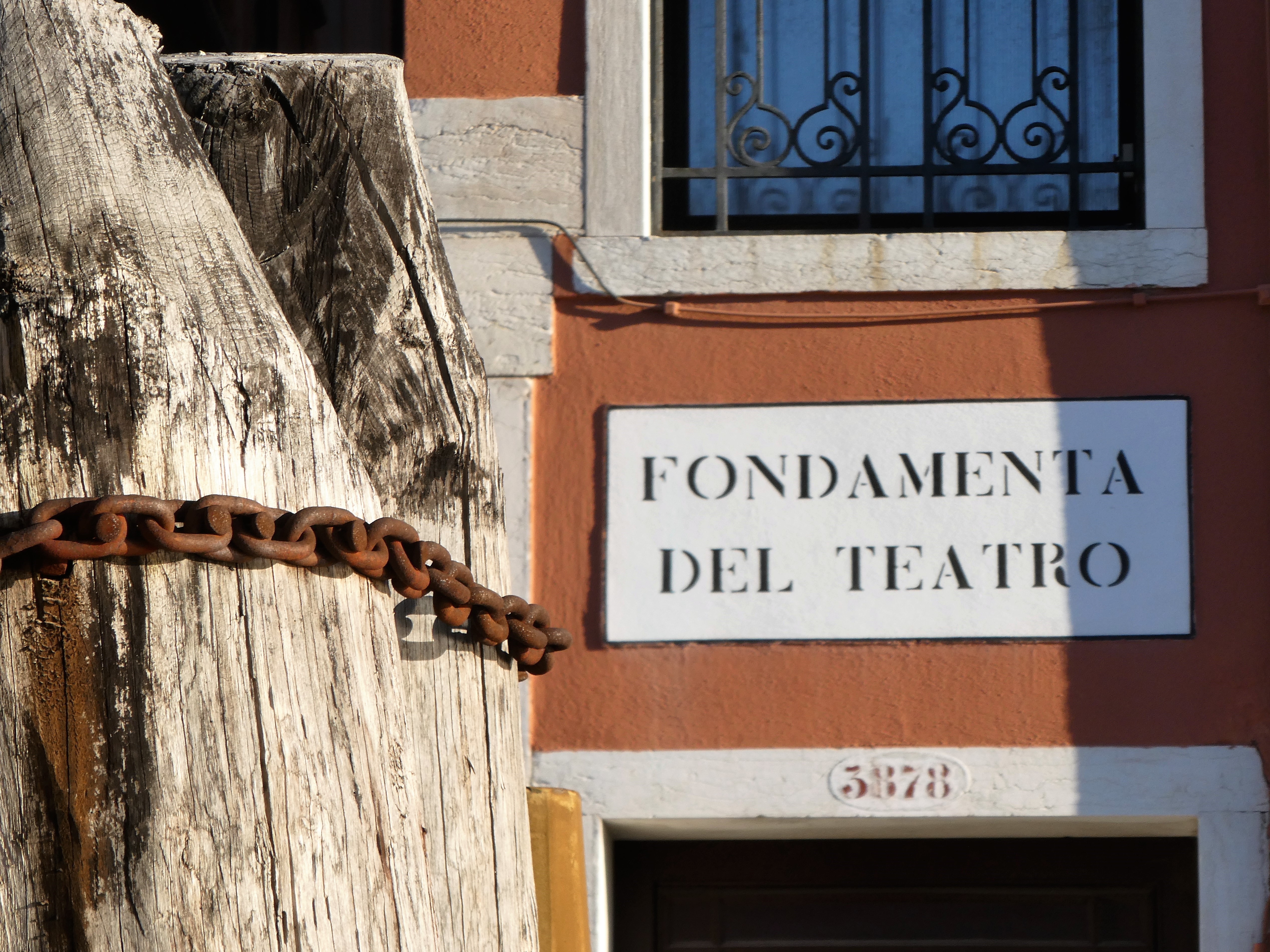
Note that the loading-bay for the scenery is at the back of the theatre, on a canal. Yes, everything arrives by water; this is Venice, after all. And notice that this is the Calle Maria Callas, as far as I can make out, the most up-to-date person and the only woman who isn’t a saint (though she was a diva) to have a street in Venice named after her.
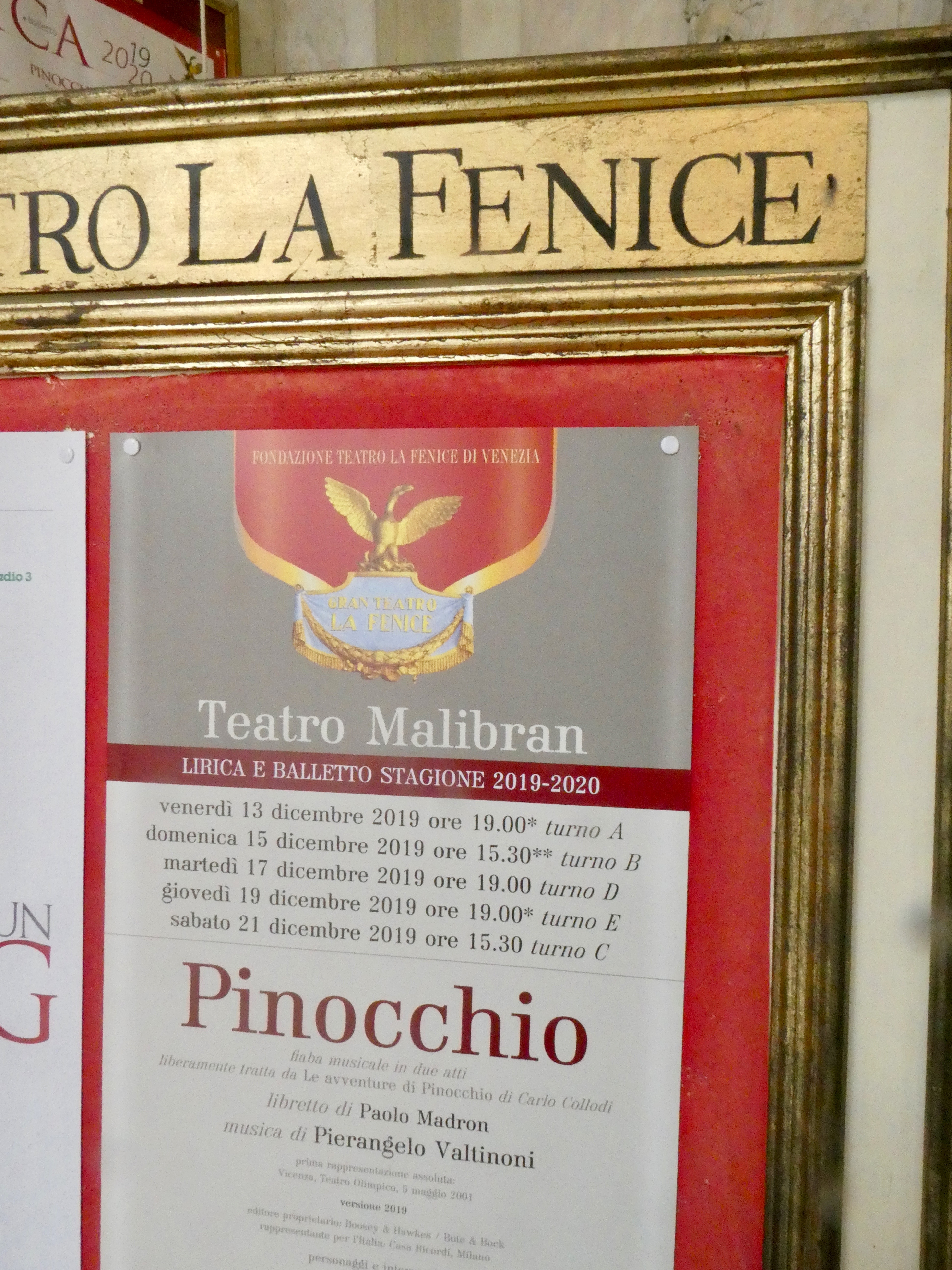
There are three main theatres in Venice – Teatro La Fenice, Teatro Malibran and Teatro Goldoni. There are several more but they probably do not operate on a regular basis and we have never found them!


VENICE BOOKS
You will need an up-to-date guidebook to check opening-times of museums, restaurants and churches. I like the Rough Guide, Lonely Planet and Time Out series. But you may want to extend your reading with books that give you the taste and flavour of the city.
Venice by Jan Morris is the standard work, but you will enjoy it more if you are already familiar with the city. One to read on the journey home.
The City of Falling Angels by John Berendt will making you feel as if you’re on nodding terms with Venetian aristocracy and high society. It’s bursting with gossip – he’ll never be invited again!
No Vulgar Hotel by Judith Martin is my favourite, and is essential for the Venice addict. Martin understands Venice, and confides its secrets in an irresistible style. It’s only published in America (by Norton) but it’s worth getting on Amazon.
Carpaccio by Jan Morris. Sadly, it’s out-of-print, and even Amazon are demanding high prices for second-hand copies. It’s beautifully produced, and really opens your eyes to the paintings.
And finally –
INSTANT ITALIAN
On entering a shop, always say Buon giorno. Admire the goods – Che bello! means “how lovely”, and Quanto costa? is “How much does it cost?”
Dove le toilette? is a life-saver. Incidentally, the public toilets in Venice are very well maintained, and quite well sign-posted although you won’t find many of them, just in the popular tourist areas. You pay €1. The toilets in small bars and cafes are not always so well maintained although the facilities in better restaurants should be up to standard.
Always say Grazie (Thank you) and Prego means You’re Welcome. Another useful phrase is Va Bene which means OK. You’ll be very OK in Venice!
Arrivederci, Buon Vacanze
Fredo & Mike
Note: These Venice Footnotes were up to date in March 2023 but nothing remains the same, especially prices. If you know we have something wrong and should change any detail, please DO let us know so updates can be made.
 theatreguys