
Mandatory Mask wearing
Currently three theatres have announced they are making mask-wearing mandatory in their buildings, in both foyer and auditorium – The National Theatre, The Royal Opera House, and the Donmar Warehouse. This pleases us. Other theatres will follow. We have been asking our Group to wear masks and be fully vaccinated before joining us on the coach, and already this is a requirement of most theatres, except when you’re eating or drinking. We have noticed that the majority of theatre audiences (not our Group!) have been reluctant to put on their masks. We regard this as selfish and foolish. But times they are a-changing. In recent days there has been more compliance. As a precaution, for everyone’s continuing safety and for the future of live theatre, PLEASE wear a mask and bring your vaccination certificate to the theatre. This will be mandatory for all our future theatre visits

29/11/21 Fredo writes
Q&A for Life of Pi
Mike and I were invited to a preview of the new production of Life of Pi, adapted from the award-winning book by Yann Martel.
As soon as we entered the Royal Circle, we noticed that the stage had been reconfigured to extend into the stalls, like the prow of a boat. I went to investigate, and I was joined by another man who was admiring the beauty of one of London’s loveliest theatres (Wyndham’s). I pointed out that the first four rows of the stalls had been reshaped, and that in fact some rows had been removed altogether.
“I’ve heard it’s very spectacular,” I said. “It is,” he confirmed. “I saw it two years ago in Sheffield.””But you’re not from Sheffield?””No,” he said, “I’m Canadian. I wrote the book it’s based on!”

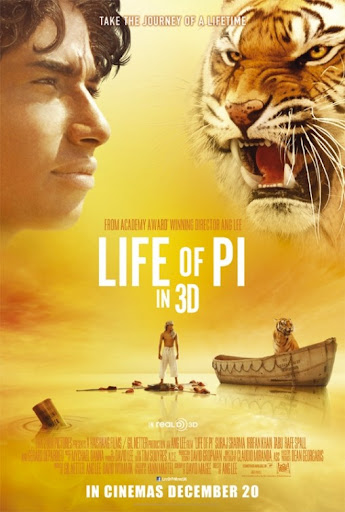
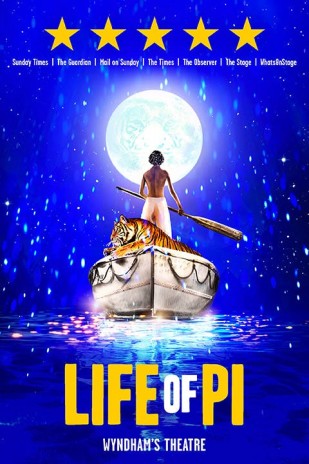

I would have liked to spend more time with the amiable Mr Martel; after all, how many Booker Prize winners do I run into every day? The show was about to begin (and what a show it was!).
We all got to know Yann Martel a little better when he was joined on stage after the performance, by director Max Webster and Lolita Chakrabarti, who wrote the script. Max, who is also an Associate Director of the Donmar Warehouse, started the discussion by asking Yann and Lolita how they had spent lockdown. Lolita had been surprisingly busy: she’d been filming the television series Vigil before lockdown, and then filming was closed down for 5 months. When it was resumed, with all the Covid protocols in place, all the actors were fatter and had to have their costumes let out. She had also worked on her play Hymn, which was streamed by the Almeida, starring her husband Adrian Lester.
Yann, on the other hand, hadn’t noticed much difference in his life. He lives in Saskatoon, Saskatchewan, “where nothing happens anyway” and the children went to school and he got on with writing his next book. At this point he apologised if he wasn’t making much sense: he’d been up since 3.00am, as he was staying with his in-laws. At 3.00am, he was wakened by the screams of his 9-months-pregnant sister-in-law, and her labour was fast, as she gave birth in the bath some hours afterwards!
What had suggested the story for Life of Pi? The movie was dominated by the scenes of Pi in a boat with a Tiger called Richard Parker, but the book and the play contain more exposition. In the character of Pi, three religions – Hindu, Muslim and Catholicism – are fused, and the crux of the plot is what we choose to believe. Yann explained that he is not a fan of organised religion, and that Canada is a very secular society. However, as a young man, he backpacked his way round Iran and India, and was impressed by the magical thinking that he observed. He became more interested in this, and wrote the book as an expression of his thoughts. He admitted that there isn’t much of a plot – there’s a boy in a boat with a tiger, and that’s it. He didn’t expect it to be noticed; at best, he thought it might be a cult classic, and he was taken by surprise by the book’s immense success.
Lolita read the book soon after it was published in 2002, and loved it. She was intrigued by the description of the family’s zoo, and by the development of the story. Adapting it posed several problems, as she realised that she had to sacrifice certain episodes which simply would not work on stage. She was also aware that she was adapting it during the Trump/Johnson era, and the references in the book to the distrust of government became more pertinent.
Did Yann have a writing process? Oh no, he just wrote the book – but then he realised that in fact, he had had a process for this venture. He’d spent several months researching the factual details that he wanted to include at McGill University – things like tigers can drink salt water, turtles have 10 different kinds of meat. Because of the magical elements in the book, he had to made sure that the essential facts were correct.
He then wrote notes for each chapter, which he stored in envelopes, along with other envelopes containing thoughts on various themes in the book. This acted as his plan, and allowed him to structure his story.
Lolita laughed, as she had dome exactly the opposite. She had highlighted different parts of the book and made notes to hold the themes together in her adaptation. “You deconstructed it!” exclaimed Yann.
Had Lolita simply provided the dialogue as a basis for the production team to work on? She didn’t exactly bristle at this question, but she stated very firmly that she wrote the play thoroughly, and presented a finished script to the director, designer and visual effects artists.
Max asked Yann how he, as a writer used to working on his own, had found being involved with a large collaborative team on the play? Yann didn’t seem to mind. as there had been a small-scale production in Bradford, and a possibly illegal one in Cornwall, and he had enjoyed his evening in this beautiful theatre very much. He relished the way the actors were so close to the audience, and from his seat in the Royal Circle, it had worked splendidly (except for one detail, which he didn’t like, but declined say what).
It was a fascinating end to a terrifically theatrical evening, though perhaps in the interview, Max Webster wasn’t given his due as director. Life of Director?
29/10/21 Fredo writes
Q&A at the Donmar
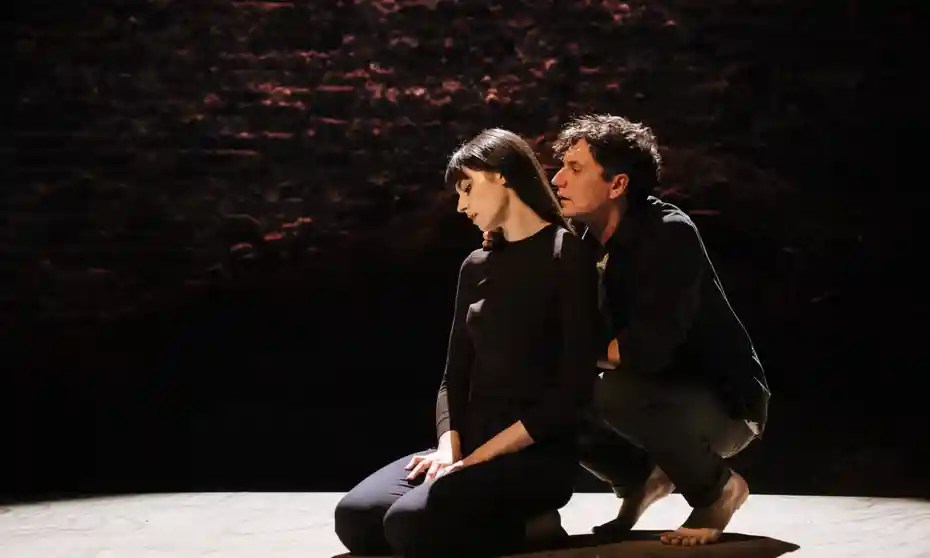
We enjoyed the performance of LOVE AND OTHER ACTS OF VIOLENCE at the Donmar, and we were grateful to have the actors tell us about their experience of working on this challenging new play in a very technical production.
The Donmar’s Director of Development, Silvia Melchior, asked the three actors what they thought when they were first presented with the script. Richard Katz, who makes a late entrance into the action, laughed and admitted that he did what all actors do; he’d leafed through it to see how many lines his character had. He said he then read it, looking for excuses not to do it, but the quality of the writing was so obvious that he couldn’t find a good reason to say No.
Abigail Weinstock, making her professional debut in this play, told us that as she graduated into the Coronavirus lockdown, she wasn’t in a position to be picky, and so she thought it was the best play she’d ever read! The versatile Tom Mothersdale whose exuberant performance had animated much of the play, seemed rather shy in interview. He owned up to not having understood the play initially, but knew that it was saying something that no other play was saying – which seems to be that love between individuals combats violent external forces, and at times, one overcomes the other.
Because the play ends with a flashback to an earlier conflict, Silvia asked the actors if they had done much research. Abigail said that she had done the usual drama school exercise of researching the character’s job (she plays a physicist), and visited museums and read books on stars and space, but she realised that this was pointless. In rehearsals, they learned about the history of Lemberg, and the pogrom there, and had discussions with historians and rabbis galore.
Richard said the he was currently reading East West Street, the award-winning history by human rights lawyer Phillippe Sands. And as he was playing a carpenter, he read books about trees. But, he emphasised, this was like preparing for the theory part of the driving test; sooner or later you have to stand up and say the words to the other actors, and at that point, research is not the most important thing. He added that the writer Cordelia Lynn was very strict about the actors respecting her text, and wouldn’t let them alter a word, not even to make it funny (and perhaps this play could benefit from a few laughs).
The first part of the play is punctuated with blackouts, following which we find the characters at a different stage in their relationship – and in a different area of the stage. Director Elayce Ismail had mapped out each scene for the actors, but Tom said they still got confused, and had to guide each other into position. Although the physical movements were carefully choreographed by the fight director, Abigail apologised to Tom for having punched him that evening, and assured him it wouldn’t happen again.
The play ends movingly with a prayer in Yiddish. This, said Abigail, is a travellers’ prayer. It’s a fitting end to the journey undertaken by the actors and the audience.

29/09/21 Fredo writes –
Donmar & Drury Lane relaunched
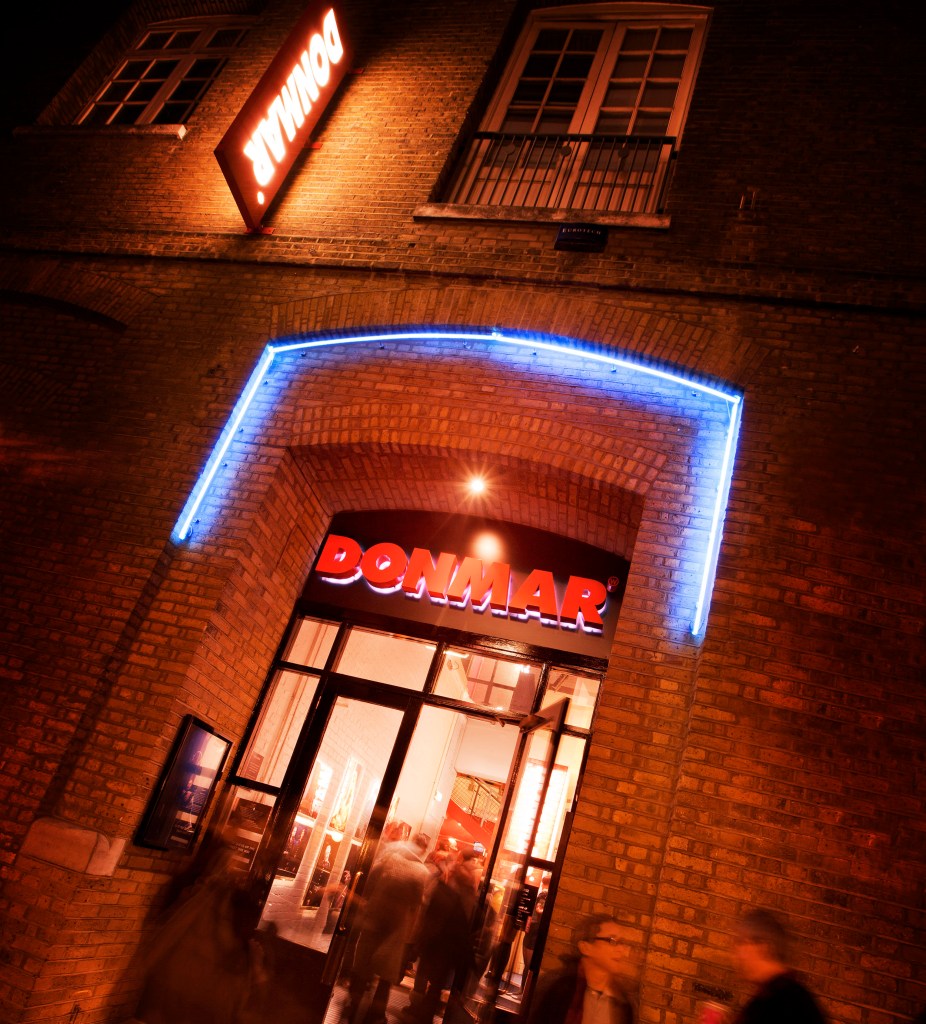

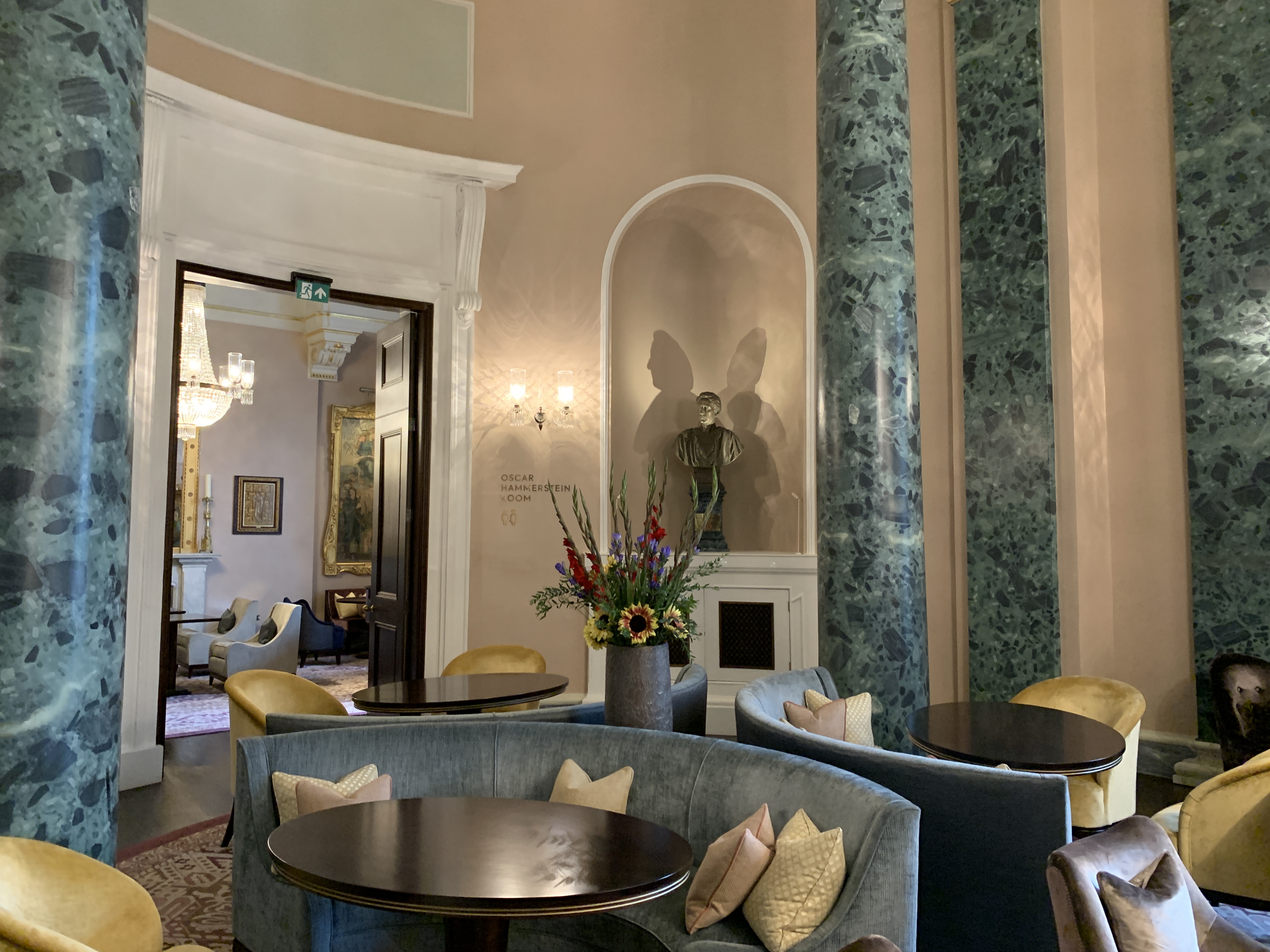
Walking down Earlham St last week, I had a strange sensation. We were going to the relaunch of the Donmar Warehouse, a familiar and much-loved destination for many years. When it opened 30 years ago,it was the smallest auditorium in the West End, allowing audiences to sit no more than four rows away from the greatest talents in the acting world. Why was I experiencing a Norma Desmond moment: “I don’t know why I’m frightened. I know my way around here.”
It was because the Donmar had taken advantage of the hiatus during the last 18 months to conduct a remodelling. Had the atmosphere been lost in the remodelling? Had the intimacy evaporated? Would it be like seeing an old friend after they’d had work done (and it hadn’t worked)?
First impressions count, and we were immediately struck by the size of the foyer. Where had all that space come from? The bar and box-office combined (and how is that going to work, I wonder?) are at the rear, on the left side, allowing better access to the lift.
The revelation is the first floor. The walls that closed the bar from the stalls foyer have been removed. The bar is against the back wall, and there is an amazing amount of space for patrons to move around much more freely. I’m not sure if the decoration wasn’t complete, or if they’re going for the “distressed” look, but it looked and felt good. I’d never noticed before that the ceilings are very, very high.
We checked out the toilets, always an important consideration. One has urinals and one booth; the other has 5 or 6 booths only, but both are signed as unisex. I locked horns briefly with a member of the board on this subject, and let her know that I think they made the wrong decision.
The upper floor replicates the Stalls level. Again, it’s much more spacious, and the crowds will move around more freely.
What about the theatre itself? Thankfully, not much has changed. The stalls still surround the stage on three sides, and the seats have been reupholstered (praise the Lord!) I was convinced that the back row at least had been raised, but I was assured not – maybe it was just the extra layer of foam in the seats. The stage remains as large as ever; because it’s a small theatre, it gives the impression of having a small stage, but it actually has the same footprint as the stage at Wyndham’s Theatre.
The Executive Director Henny Finch welcomed the supporters and explained the work that had been carried out. She assured us that the lift had been fixed, and wouldn’t break down; the air-conditioning had been fixed, and wouldn’t break down, and that all the electrics had been renewed – and of course wouldn’t break down! Adam Kenwright, the Chairman of the Board, thanked us all for our support, and then Michael Longhurst beamed in from New York (he’s currently rehearsing Caroline, or Change at Broadway’s Studio 54, with Sharon D Carke reprising her Olivier award-winning performance) to tell all how amazing it has been.
The performance poet Inua Ellams read three of his poems, and then we had time to explore the new Donmar again. How did I feel? As if we never said Goodbye!
As audiences are returning to straight plays more slowly than we would wish, we haven’t made a group booking for the Donmar’s re-opening production, Love & Other Acts of Violence. However, go to our Bookings page to read about the production following that, and book now!
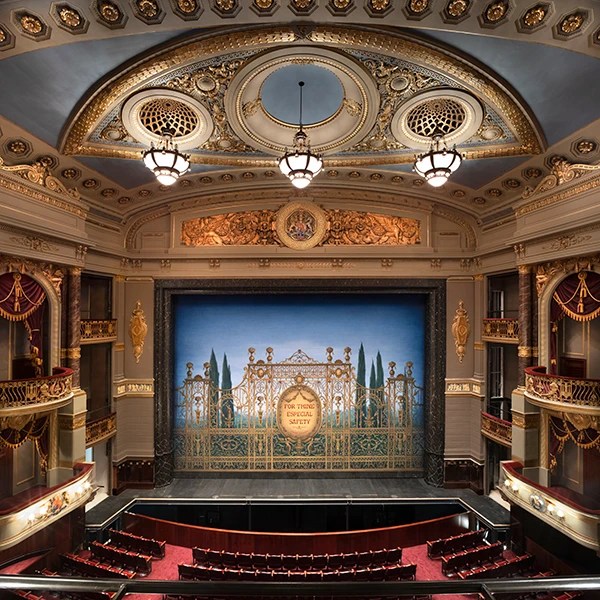
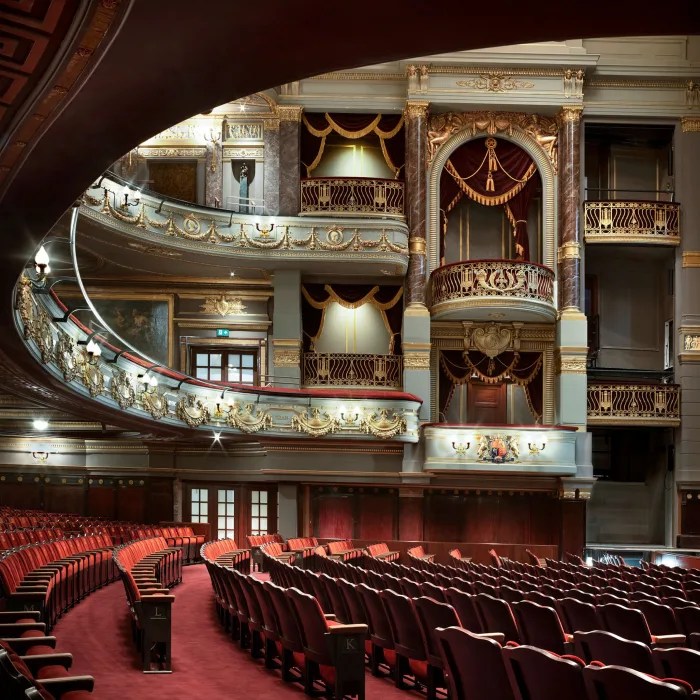

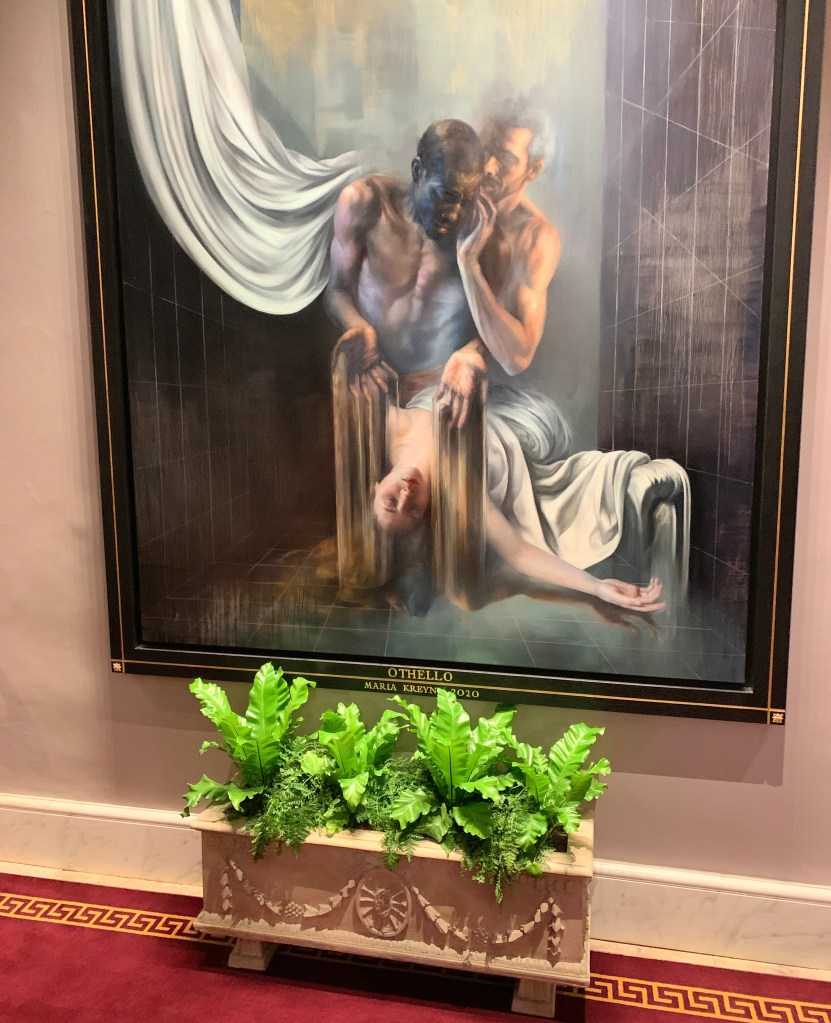
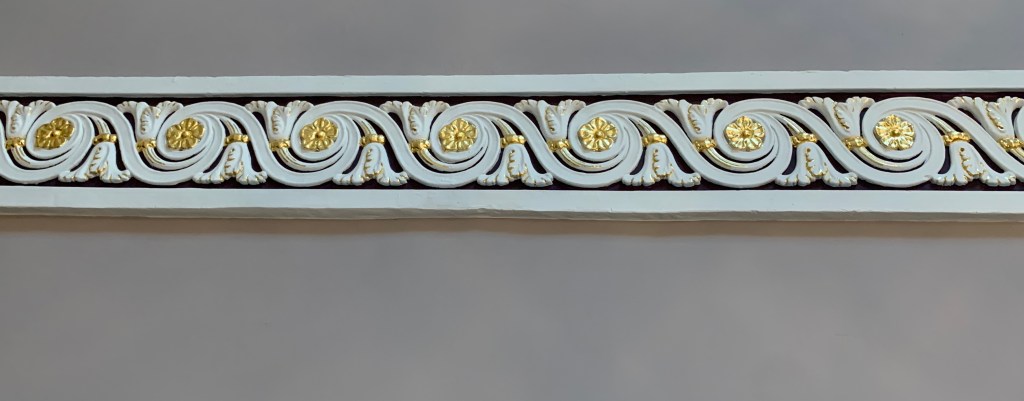
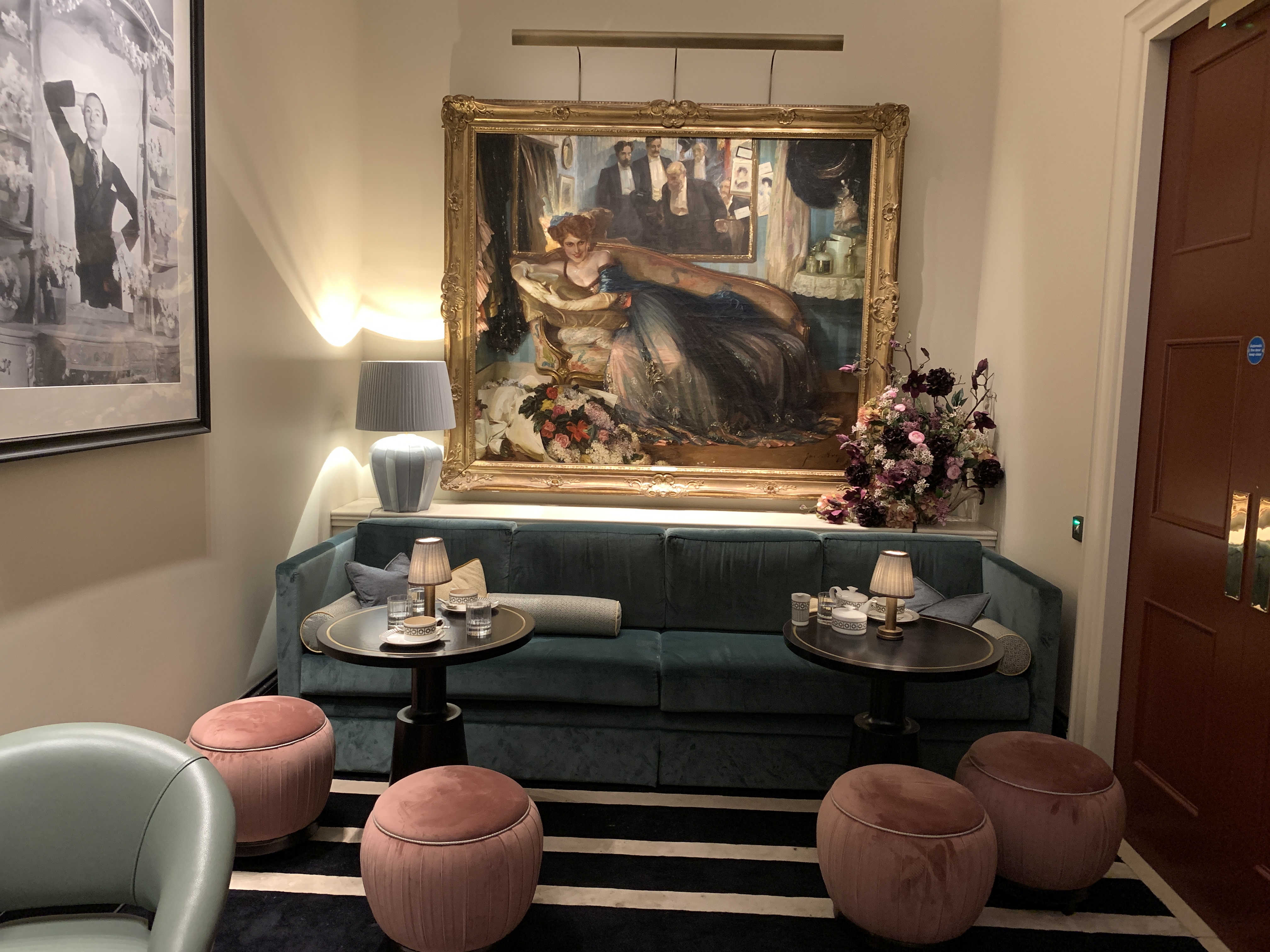
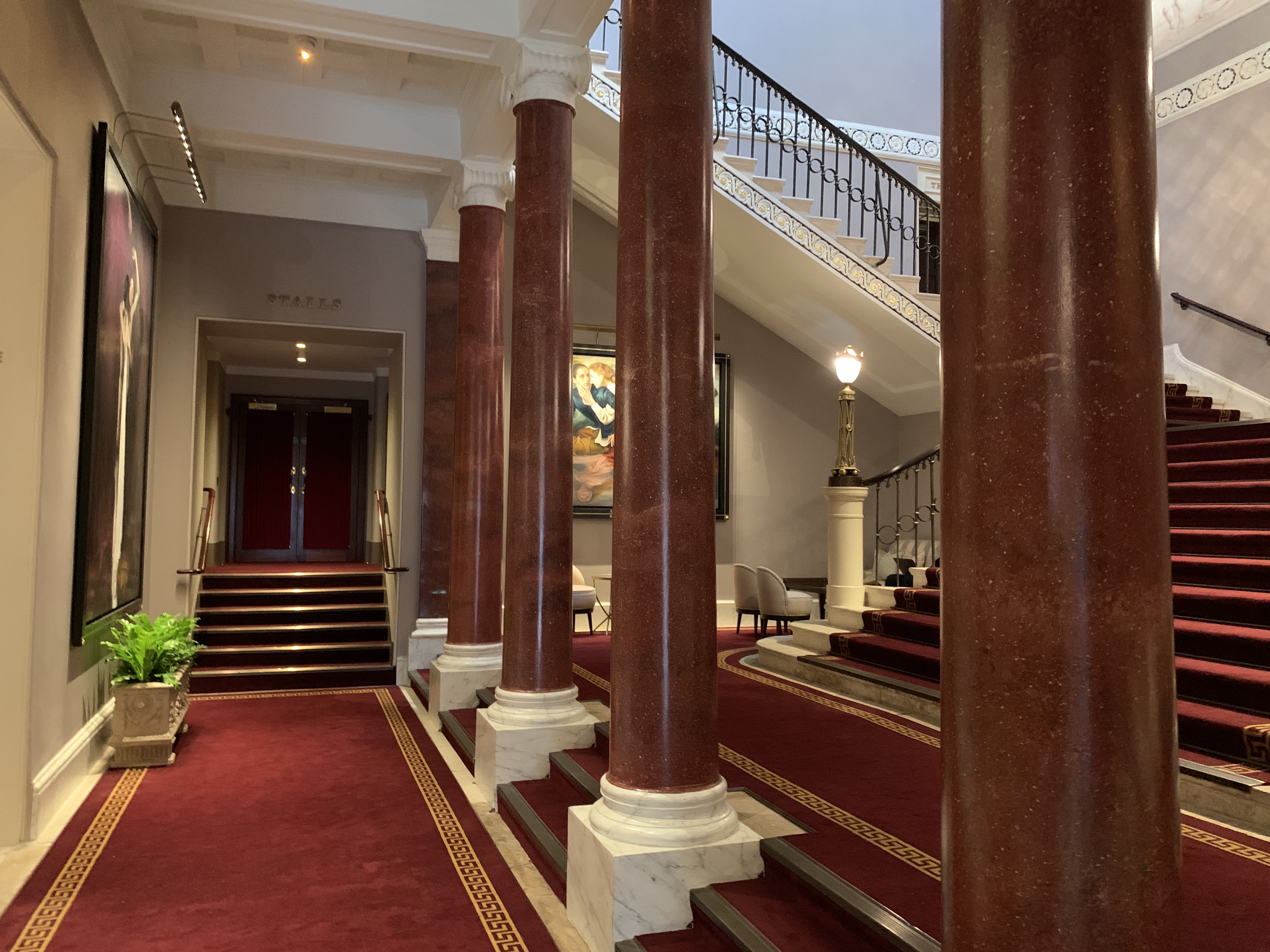
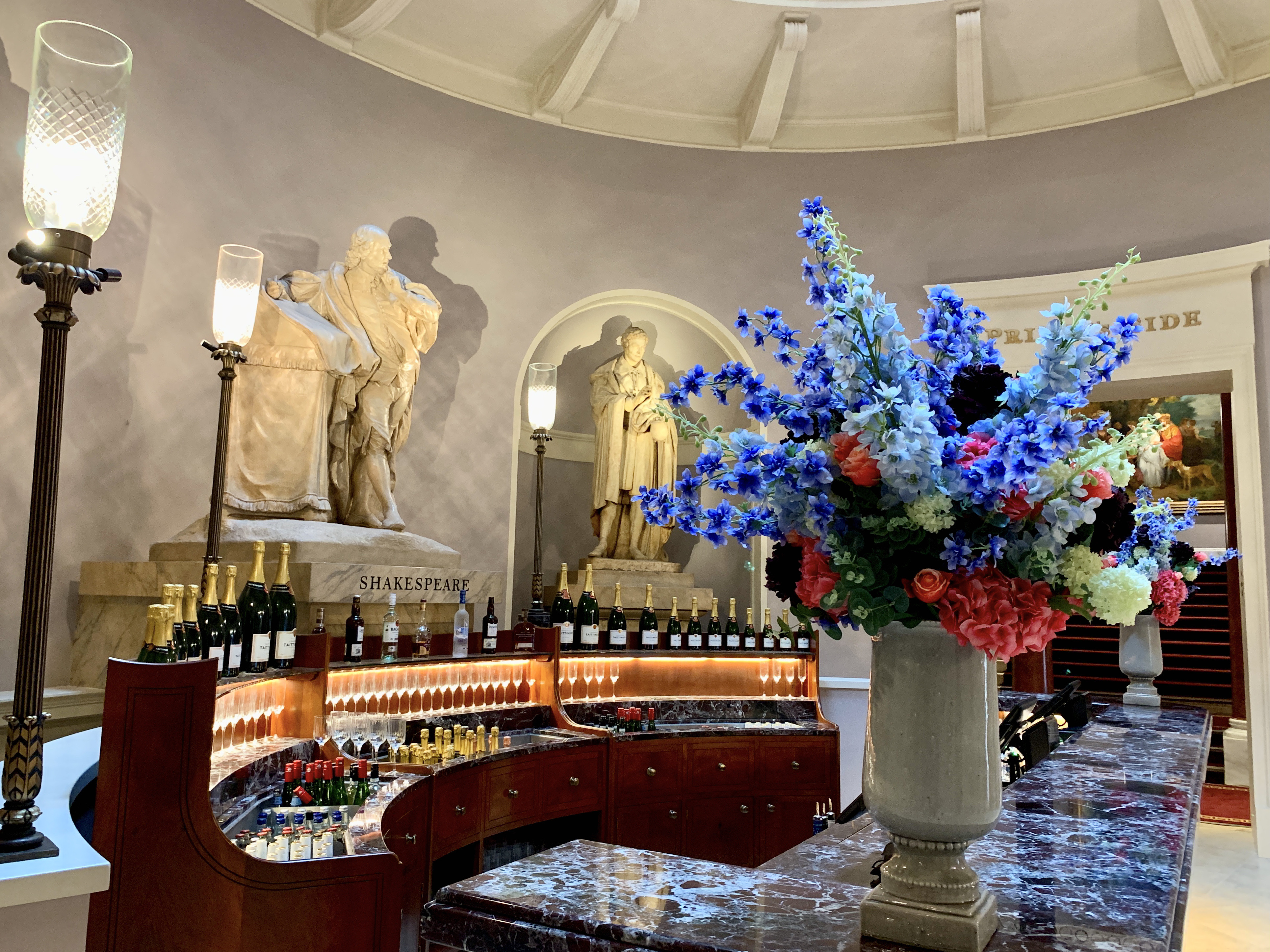
We also had a look round the public areas of the Theatre Royal Drury Lane. If the Donmar had had millions of pounds spent on it, Andrew Lloyd Webber has splurged tens of millions on this, London’s oldest theatre, and it shows. The lobby is now a thing of beauty, with elegant marble columns leading to the Rotunda bar, where statues and busts of Shakespeare, Jonson, Sheridan and Balfe (no, not many people know Michael William Balfe; he was an Irish composer who wrote The Bohemian Girl). The side foyers have huge oil paintings depicting scenes from Shakespeare’s plays, and as you mount the stairs, there is a frieze celebrating Ivor Novello. On the walls on this side, there are scenes from My Fair Lady in grisaille, and you can recognise Julie Andrews and Rex Harrison.
We crossed the Circle foyer, and persuaded one of the attendants to let us peep into the bar, and wave at the statue of Noel Coward on the terrace overlooking Catherine Street.
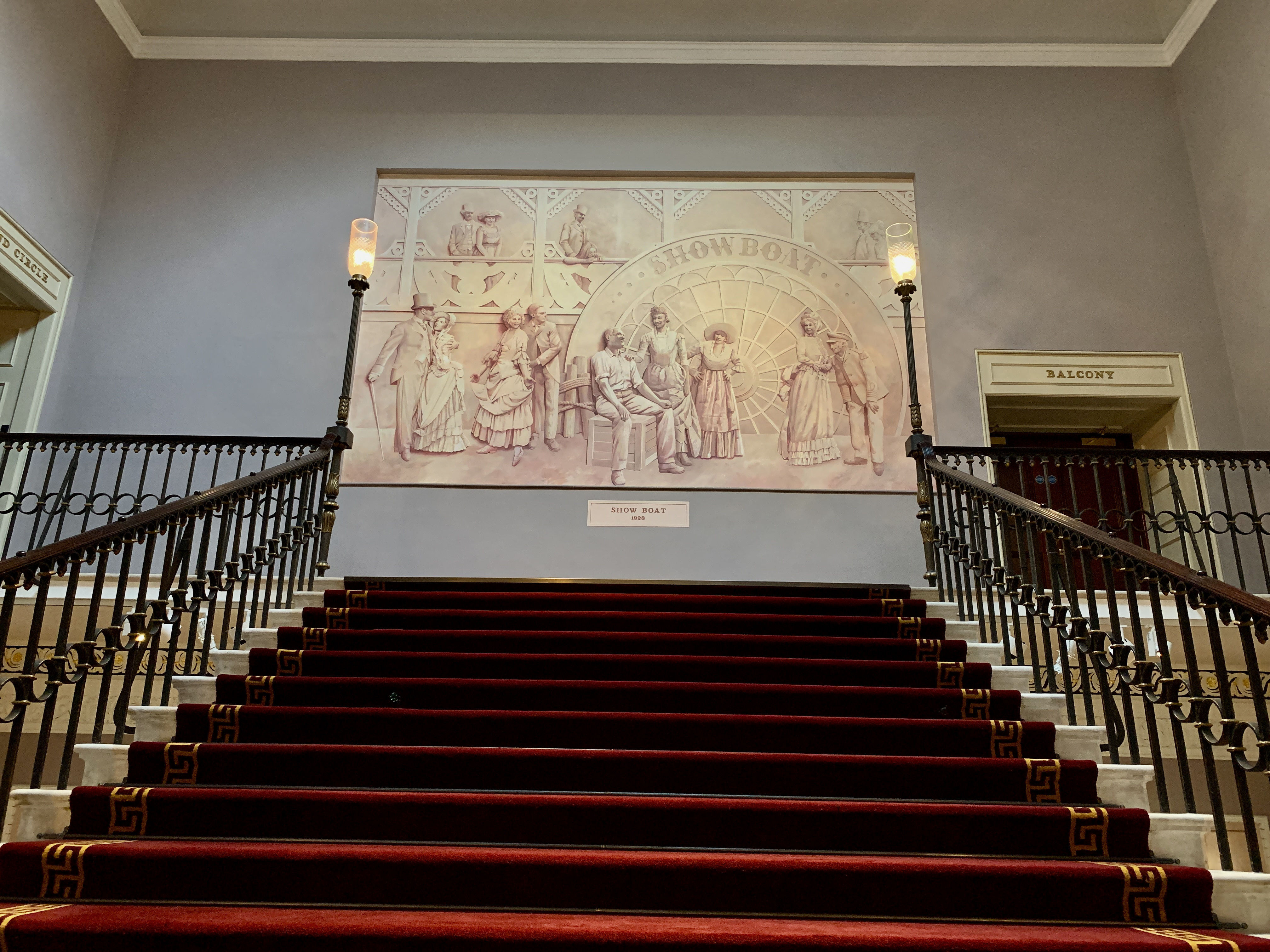
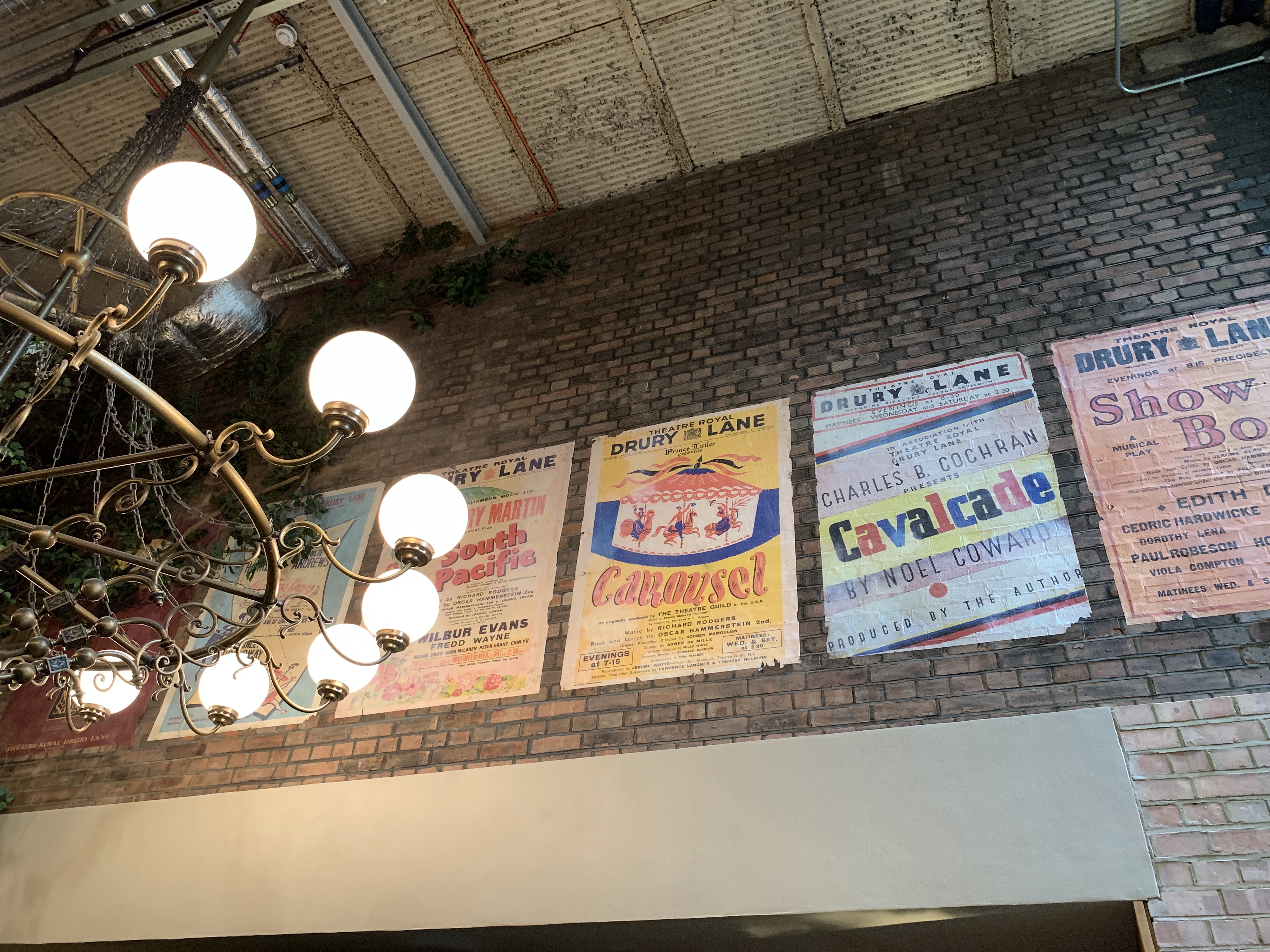
Descending the staircase on the other side of the theatre, there is a frieze dedicated to Rodgers & Hammerstein,whose Oklahoma!, Carousel, South Pacific and The King and I all played here. On the walls, again in grisaille, scenes from Show Boat. How exciting to think of the shows that received their premieres here! None of them ran as long as the first production of Miss Saigon, which holds the house record of over 4,000 performances.
The splendour doesn’t stop there. At the side of the foyer, we found the Cecil Beaton Room, dedicated to the designer of My Fair Lady and decorated in 30’s elegance, and black and white. This room spills out into a courtyard cafe where I shall arrange to meet friends I want to impress in the future.
You too can explore all the public areas of the theatre, every day except matinee days, or you can book a guided tour which takes you into the auditorium and the Royal Boxes – there are two: The King’s Box and the Prince’s Box. George lll and his son, the future George lV, came to blows in the theatre’s foyer, and it was decided to create separate entrances for them to keep them apart.
Two theatres, two old friends, emerging from the wreckage with renewed vigour. Join us and become part of the revitalisation of London’s theatre district. They want to welcome you back – and so do Mike and I.


16/08/21 Mike writes –
What Covid regulations?

This is the questions many of us are asking as we contemplate theatre-going again. The government has removed all legal requirements and asked us to follow our Common Sense. The one thing we all know about Common Sense is it’s not common to all. London Transport along with most shops and theatres ask us to wear masks. However, theatres do not (as yet) have a common policy. It is left up to the producers or the theatre management to decide what regulations to request. They no longer have to provide socially distanced seating. For your information, as an example, the regulations issued by Delfont Mackintosh Theatres can be found at this LINK. You will see that proof of double-vaccination (or alternatives) is suggested so I expect that covers all of us.
In our experience, taking of temperatures is being dropped, masks seem to be worn by the majority but not all of the audience, and spaced seating varies from theatre to theatre as does checking on audience compliance. A variety of other audience controls are being tried by different theatres. It all depends on you/us/them!
Some shows have had to be temporarily cancelled because a member of the cast or crew has been pinged, sent into quarantine, and their colleagues tested. Thankfully, as of today (16/08/21), this ridiculous requirement has been dropped. In future, a ping will only require testing and no show should be cancelled for that reason.
Most of the big shows are now opening with a potential capacity audience. Normality is returning and certainly we ourselves feel we are being very well looked after by theatre staff. Andrew Lloyd Webber has quite rightly been particularly critical of the way the government has treated the theatre during the pandemic, and he has been a perfect example of going to extreme sanitising lengths to keep his audiences safe.
We hope you are all looking forward to returning to theatre-going normality as much as we are. Our experiences so far since theatres reopened have given us no reason to doubt our enthusiasm.
27/07/21
Life, love and the multiverse

Our friend Jennifer took her first trip back to a West End theatre last week for a Donmar West End production. Here she gives you an idea of what the experience was like –
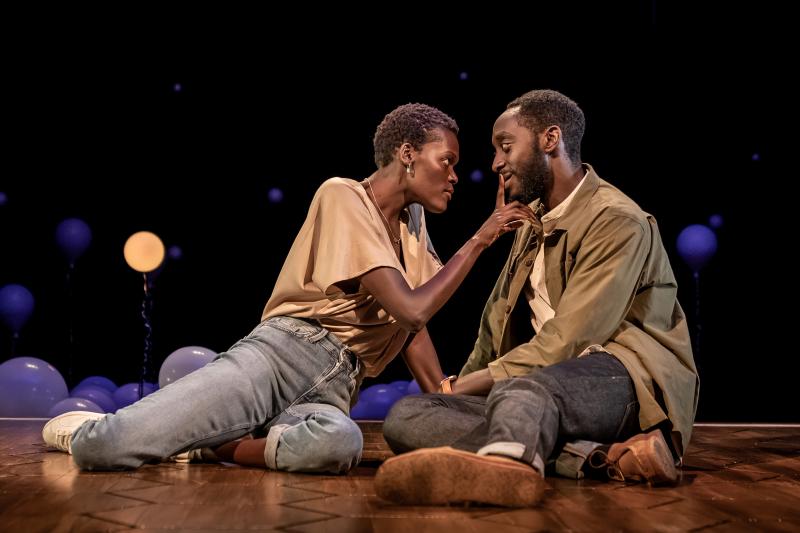
“Although we’ve missed the theatre during the pandemic, many of us have felt anxious about returning to a crowded auditorium to see a show. As covid restrictions relax, directors and producers are doing their best to tempt us back. Michael Longhurst, the Donmar’s Artistic Director, is staging an inventive revival of Nick Payne’s play Constellations at the Vaudeville. Michael directed the 2012 production of this two-hander, with Rafe Spall and Sally Hawkins, which group members might have seen. In 2021, the casts comprise four couples, two of which rehearse simultaneously, so that, if one cast member becomes ill or tests positive, the other couple can step in and the show will go on.
So, on a sweltering Thursday evening during the recent heatwave, I made my way to the Strand to enter a theatre for the first time in a long time. There was the same buzz amongst the theatre goers waiting outside that I remember from the before times. The necessary admin, a bag check, covid app check-in and electronic ticket check, was all overseen by helpful and cheerful staff. Inside the theatre, the air conditioning was very welcome as was the isolated seating plan. There was even a QR code on the back of the seat in front through which you could order a drink using your smartphone so no need to stand at the bar.
And the play? It was a delight. I was lucky enough to see Sheila Atim and Ivanno Jeremiah as Marianne the cosmologist and Roland the beekeeper. Sheila lit up the stage in Girl from the North Country in 2017 and did so again here, in a very different part. Ivanno was a quieter foil to Sheila’s star wattage but has moments, including when he reads his poem about bees, that made me catch my breath. The play follows the stages in the couple’s relationship from its beginning to the very sad end (bring a hankie) through multiple permutations or multiverses (Marianne explains the cosmic theory early on). The scene changes and time shifts are handled with aplomb, aided by clever lighting and sound. At the start, I tried to keep a tab on which time line was being updated but soon realised it didn’t matter. The play is about life, love, the universe and everything in between and should be enjoyed in the moment. I’m very glad I finally got to see it, despite the pandemic”.

12/07/21
Football chaos in the West End
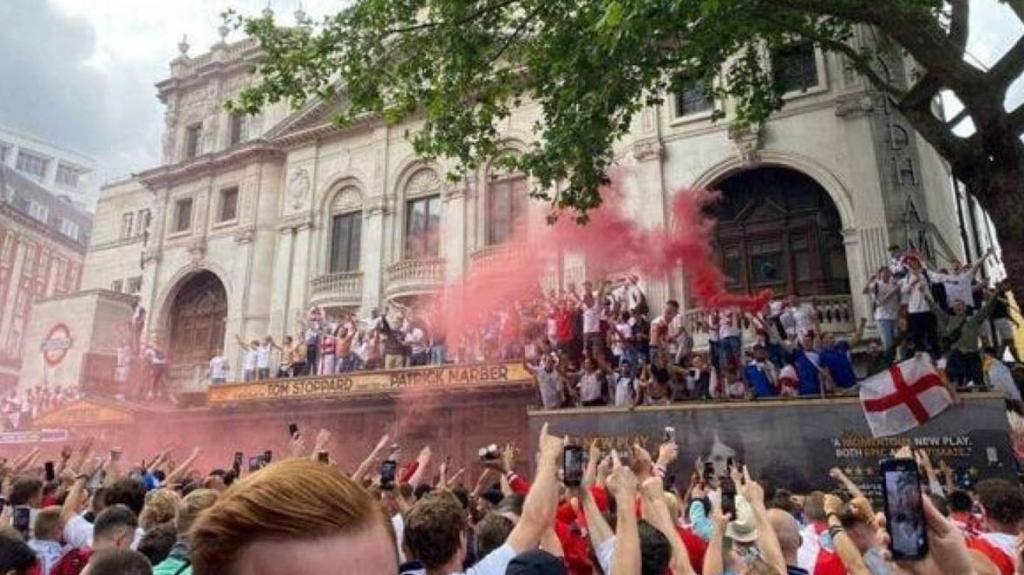
During the disruption in the West End after the Euros Final on Sunday 11 July, a crowd climbed onto the balcony of Wyndhams Theatre causing much damage.
Cameron Mackintosh has written to the Prime Minister saying –
“Around 50 people broke through fencing at Wyndham’s Theatre and climbed on to the delicate canopy of this 19th century, grade II* listed building in the heart of the West End…the police appeared insufficiently resourced to deal with this vandalism and the danger posed to trespassers, and it was only later that riot police finally arrived.
Significant damage was inflicted on the theatre, with repairs estimated in the tens of thousands, and the incident could easily have resulted in serious injury or fatality.
Why was the West End subjected to chaos with seemingly little to no crowd management or police protection on what was obviously always going to be a highly-charged and exceptionally emotional day for the whole nation?
(This is) a grim metaphor for the way in which government has treated commercial theatre since March 2020. Time and again, and in stark contrast to other industries and the multi-million dollar US federal aid grants awarded to help re-open Broadway theatres and productions, we have simply been left to fend for ourselves…met with impediment in our urgent plea for help to solve the crippling uncertainty caused by unworkable isolation rules and unobtainable insurance.”
We couldn’t agree more and hope the damage can be repaired before the theatre reopens with Leopoldstadt later this month.
Football and Tennis v Theatre at the Bridge
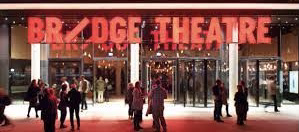
Our friend Elizabeth made her first post-lockdown visit to the theatre on a Wimbledon / Euros match day to see Bach and Sons at the Bridge Theatre. She wrote to tell us about it –
“Once I was outside the theatre, having taken in the huge presence that was the Euros – it was the day of the England vs Denmark game – it felt fine to be at the Bridge again.
Waiting to go in, I watched Wimbledon on one big screen on the green and a rock group on another, while children tried to score goals and Qatar Airlines tried to sell tickets, not to mention a number of ‘outlets’ selling hamburgers and chips. The Bridge seemed in a dignified way to be waiting for these intruders to have their moments and then move on. The downstairs Ladies’ loos were unisex which explained the man I encountered. Bridge staff lovely. It was apparent many oldies were returning to the theatre for the first time in months. My seat was in splendid isolation. I couldn’t reach to touch anyone in any direction.
I enjoyed the play, Bach and Sons by Nina Raine. It isn’t on anything like the scale of Amadeus. It felt more of a chamber piece at times. Oh, the problems of fathers and sons and the legacy of having a brilliant father! For non musical types like me there was a lot of helpful explanation about counterpoint and other technical stuff which at times felt a bit laboured. I learnt a lot about Bach (I knew nothing) and sympathised with his constantly pregnant wives and the heart-breaking loss of so many children. But the script at times felt a bit clunky. The cast were good and of course I am a big fan of Simon Russell Beale, so it was great to see him, but that afternoon some of the witty lines failed to land. Was that down to the audience? Not entirely I think, though once or twice I could only hear myself chuckling. I loved the set. Both the actors playing the elder sons were very good and I think we may have had the understudy for son Carl. I should say though that play has some really lovely moments and the music sounds wonderful. And, unlike one of the critics I read, I was moved at the end and discovered that my facemask mops up tears and saves them stinging your cheeks as they fall.
I was very happy to have seen the play. The performance was very well received and SRB was greeted with thunderous applause. I listened for audience members’ comments as we left and many were very enthused.
I had a good afternoon, managing to avoid the already drinking Ingerland fans draped in flags near the station on my return. I have never been much of a matinee girl and this afternoon out sort of reinforced my feelings.”
22/5/21 Fredo writes –
CURTAIN UP!
For too long, it looked like Curtains for London’s theatre. After years of theatre-going, after watching the standard of production and acting getting better and better, with Highlights such as Matthew Bourne’s Swan Lake, War Horse, Follies, Company, Present Laughter with Andrew Scott, Betrayal with Tom Hiddleston – oh, the list could go on and on – it all suddenly ground to a halt under grim circumstances.
Now theatres are opening their doors again, and Mike and I have booked to see a number of shows OnOurOwn. Are you ready to join us in helping Theatreland recover from the body-blow it’s been dealt?
We’ve sold out two visits to Andrew Lloyd Webber’s new musical Cinderella, and reinstated three visits each to Pretty Woman and The Drifters Girl, and we’re looking forward to To Kill a Mockingbird (but that’s not till next year). A date for 4000 Miles is still to be announced.
We are currently offering you tickets for a Matthew Bourne show (and The Mirror and the Light) – see the Bookings page of this website.
There are interesting new shows that will be booking in the near future. We’d like to hear from you – what would you like to see? When are you prepared to make your theatre comeback? Do let us know. Please email us at fredo-donnelly@theatreguys.co.uk or fredoandmike@theatreguys.co.uk.
Here’s a sample of what’s on offer – but please note that we can’t guarantee we’ll be able to get tickets for all or any of these (bookings may be heavy or there may be no group discount):
Frozen – Disney’s most popular musical comes to the stage at Drury Lane, directed by Michael Grandage.
Back to the Future – the musical-powered DeLorean zooms into the Adelphi.
Into the Woods – to find the thing that makes it worth the journeying! – but not until next year, at the Old Vic.
Camp Siegfried – Olivier Award winner Patsy Ferran and rising star Luke Thallon meet in a summer camp for teenagers in America in the 1930s. They don’t know that the camp has a sinister agenda.
Spring Awakening – more teenagers come to terms with growing up in oppressive 19th century Germany in this startling musical revival.
Macbeth – James McArdle and Saoirse Ronan take the leads. It’s at the Almeida. It won’t be easy to get tickets.
The Mirrow and the Light – the final part of Hillary Mantel‘s Wolf Hall trilogy with Ben Miles and Nathaniel Parker.
Cabaret – Eddie Redmayne and Jessie Buckley star. It’s at the Kit Kat Klub, seating a mere 550. Where? We haven’t been told yet. If you want tickets, be prepared to dig deep in your pockets.
The Normal Heart – there are rumours Ben Daniels will be in this at the National Theatre.
The Mirror and the Light, the final part of Hillary Mantel‘s Wolf Hall trilogy, again with Ben Miles and Nathaniel
We hope that we can offer you some of the above – and more! Please tell us what you think you may like to see. And we look forward to spending time with you back in the theatre. The future of Fredo’s Theatre Group depends on YOUR support.




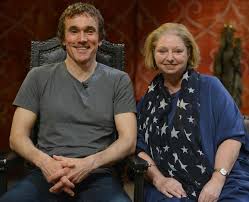

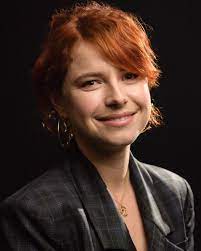

Patsy Ferran; Luke Thallon; James McArdle; Saoirse Ronan; Ben Miles with Hilary Mantel; Eddie Redmayne; Jessie Buckley; Ben Daniels.
20/02/21 Mike writes –
The Arts v. Brexit
Here’s a news item I spotted in the Times this week:
Visa Problems Stop National Theatre Tour
The National Theatre has ditched plans to tour Europe this year because of difficulties in obtaining visas for performers. The company had been planning to stage a production of its award winning show The Curious Incident of the Dog in the Night-Time, but announced yesterday that complications arising from the Brexit deal had meant the tour had become too costly. A spokeswoman for the National Theatre told BBC News: “The potential additional costs for visas and current lack of clarity around social security contributions as a result of the Brexit deal means regrettably it is currently not financially viable.” Earlier this week Caroline Dinenage, a culture minister, admitted to MPs that the Brexit deal had caused an “absolute crisis” in the performance industry. Museums, actors and crew members now need a visa to work in the EU. A government spokesman said the pandemic meant that theatres could not at present tour in Europe and that it was co-operating with the industry. (George Grylls)
This brief news appeared in the Times this week, following a report on the Culture Select Committee meeting with Arts representatives to discuss the effects of the Brexit deal on the Arts. Yawn not!
We watched the meeting on the BBC Parliament Channel, and it was three hours of riveting if appalling viewing. It was reassuring to find that ALL members of the Select Committee from ALL political parties were critical of the government’s mishandling of Brexit problems for the Arts. The minister confirmed the chaos.
The Arts received the equivalent of ‘a No Deal’ from Brexit, leaving all those involved with theatre and the other arts to fend for themselves in a new minefield of expensive red-tape over work-permits and visas. The UK suggested a solution but the EU rejected it. The EU suggested a solution but the UK rejected it. Stalemate! No further action!
Government Departments involved in negotiations are not talking to each other and are hindering any progress. An official review of Brexit problems is not expected for another five years, too late for many Arts jobs and organisations to survive. This is despite the Arts bringing in £111 billion of taxable revenue annually, far in excess of the much talked about Fisheries!
The NT tours mentioned above are just the early signs of trouble – the eternally touring War Horse is another NT casualty. Even if Covid restrictions permitted, the Brexit ‘no deal for the Arts’ would currently hinder or forbid any reciprocal working arrangements between the UK and the EU. It used to be easy – now it’s not.
If you thought a NT tour in the EU would not affect theatre-going here, think again. Foreign tours bring much needed cash to the NT and, without funding, the performances we enjoy will cost more, or not happen at all. Music, opera, ballet, theatre – all performers and crew in all the Arts are affected.
Brexit is already damaging not just the Arts in this country, but affecting the performances we all like to see. Think about it and tell your MP – the Arts are in danger.

06/01/21 Fredo writes –
Where Is The Life That Late We Led?
“But there’s nothing to say!” I protested, when Mike suggested that I write the Annual Report on the Theatreguys activities for the past year.
“Yes, there is,” Mike insisted. “We did lots on our own – well, a bit – and we did 13 visits with the group.”
13 visits? But in other years we’ve done nearly 60! And I only remember 11…oh, yes, that’s because I started 2020 in hospital, and had to ask John Carr to break into my flat and find the tickets and the precious folder with all the details, and he and his wife Judith and Sue Webster kindly sorted out the first two trips because both Mike and I were very unwell….
Yes, it was a grim start to a year that grew progressively more uncertain. At least we were ill at the start and not the end of the year, and we made a full recovery. We didn’t realise how grim it was going to become for some.
And in that brief period of possibilities, BC, we found some gems:
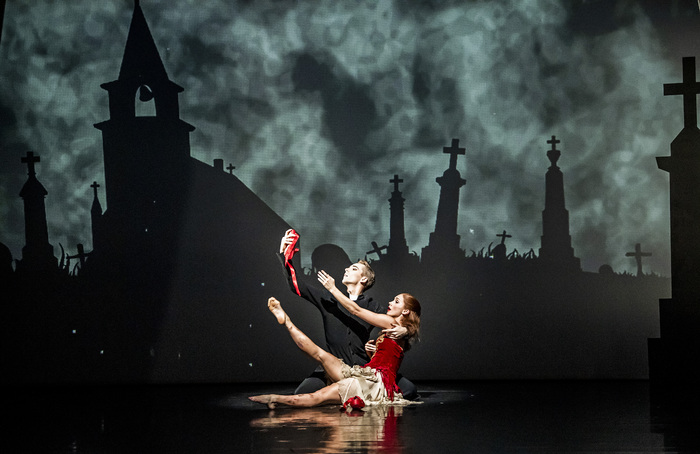


There were two visits to The Red Shoes, which like all of Matthew Bourne’s productions gets better and better each time he brings them back. At the Royal Opera House, Jerome Robbins’ Dances at a Gathering was exquisite, with Cathy Marston’s The Cellist completing the double bill with the extraordinary dancer Marcelino Sambe convincing as the musical instrument. That was a memorial evening (partly for reasons I’m trying to forget!)
I’d chosen the final performance of Onegin as the title role was to be danced by Thiago Soares, without realising that this was to be his final appearance with the Royal Ballet. The ovation that he deservedly received at the end was exciting, and we all felt privileged to be part of such a special occasion.
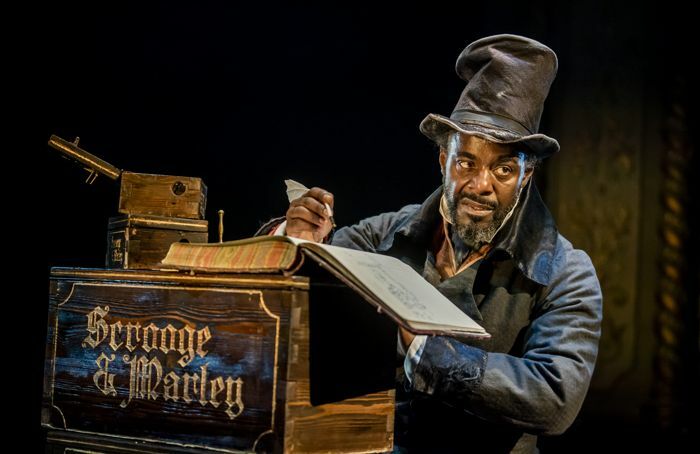
Why had I resisted taking a group to see A Christmas Carol at the Old Vic for so many years? Finally, my friend Tom at the box-office wore my resistance down, and we took our seats – and mince pies – at a matinee, with hoards of children. It was amazing. My favourite moment? When Patterson Joseph as Scrooge jumped off the stage and shook hands with a little girl in a seat nearby – her eyes lit up with the transforming magic of theatre!
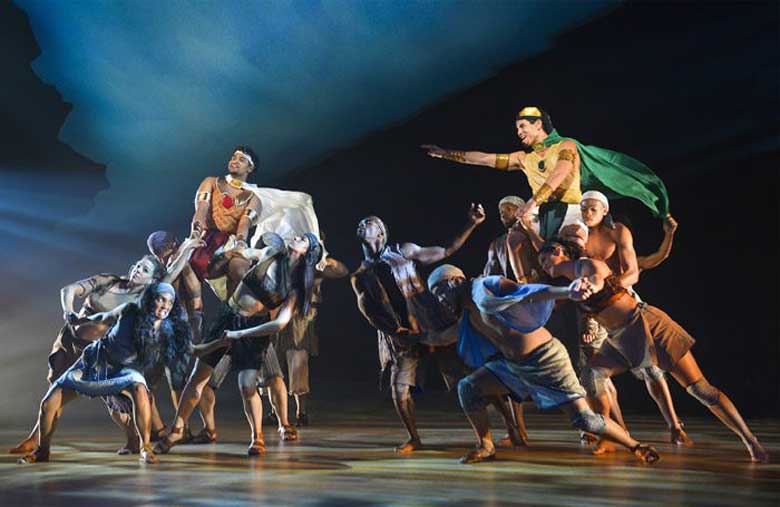
Mike and I had enjoyed the press launch of The Prince of Egypt, but the show itself was let down by a weak book (and I don’t mean the Good Book). The 11th Commandment: Thou shalt not try to turn a Disney cartoon into a live show without rewriting the dialogue.
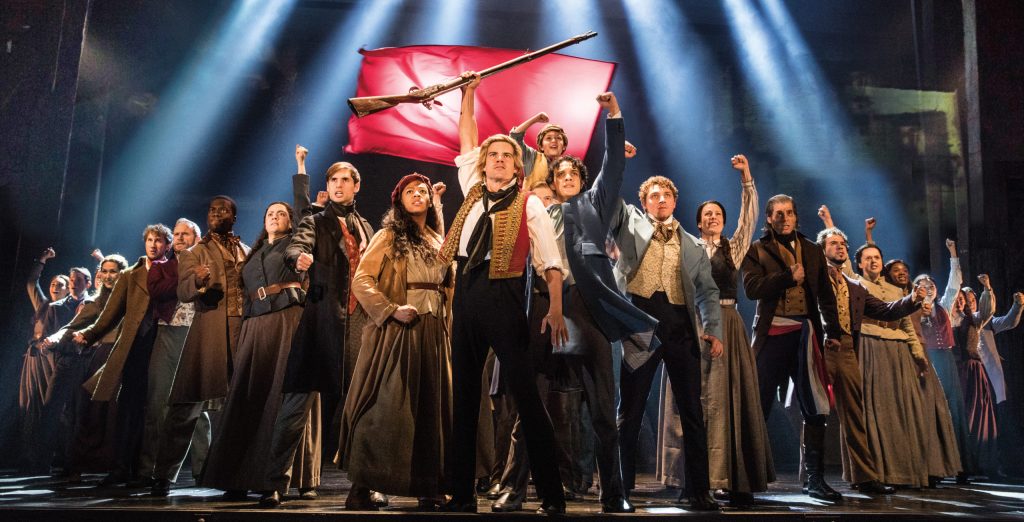
The new staging of Les Misérables sounded interesting, and we had two visits to check it out. Yes, it worked, and perhaps looks more appropriately like 19thcentury engravings than it did in its previous incarnation. I was very pleased when Mrs S phoned me to say that she’d enjoyed it so much she booked to take her grand-daughter to see it, and found that without the group reduction, the tickets cost £30 more than she’d paid to come with us!


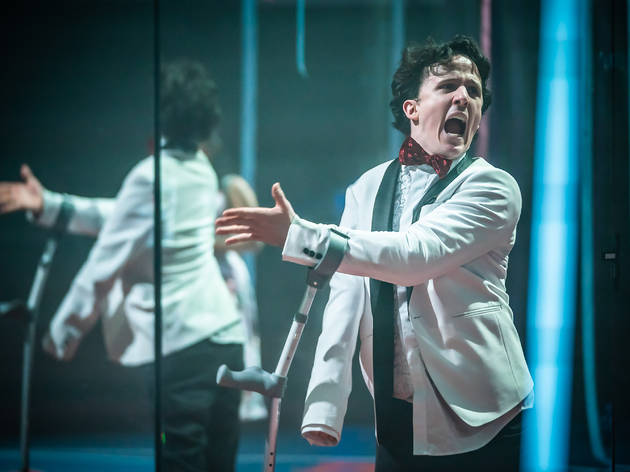
The National Theatre weighed in with two heavyweight dramas: The Welkin looked handsome, but no-one would have minded if it had been considerably shorter, even with Maxine Peake leading a strong female cast. The Visit, also at the National, was an equally long evening.This was a personal triumph for Lesley Manville (now DBE) but the production left me with the impression that there was a better play on paper than we’d just seen on stage. The Donmar bravely staged Teenage Dick, a resetting of Richard lll in an American high school with Daniel Monk , an actor whose physical disabilities didn’t prevent him giving a startling portrayal. Sadly this didn’t appeal to many of our group.
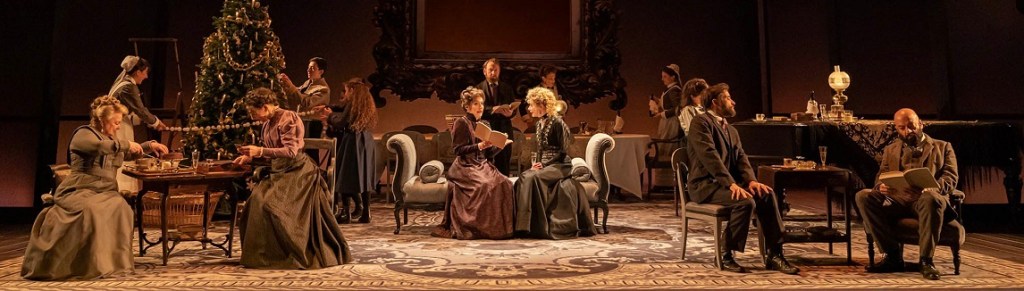
Although our theatre-going was then cruelly cut short, I have a strong feeling that we had seen the Best New Play of 2020 in Tom Stoppard’s Leopoldstadt. This was story-telling on a grand-scale, with a large cast doubling roles as generation succeeded generation. The always reliable Adrian Scarborough shone here in the playwright’s most emotional play. It needed to be seen twice: first, to get an overview of the historical sweep of the play, and then to savour the detail packed into it. Sadly, the opportunity was lost.
Abruptly, we got notice that our revels were now ended. I was particularly disappointed that we didn’t get to see the revival of City of Angels, with one of the best casts ever assembled for a musical in the West End – Rosalie Craig, Hadley Fraser, Vanessa Williams, Rob Houchen had to pack their bags and found themselves suddenly unemployed.
Instead of happy evenings sitting in the dark enjoying some of the finest talent in the land, I spent many hours writing cards to accompany cheques for refunds for most of the shows we’d booked- about 600 to date. At the time of writing, we’re still optimistic about seeing Pretty Woman, 4000 Miles, To Kill a Mockingbird and The Drifters Girl, eventually. I’m grateful to everyone for their patience and understanding.
What does the future hold for the theatre? Several producers made abortive efforts to reopen before Christmas, and invested heavily in protective equipment. Mike and I visited 3 theatre and two cabaret venues, and felt reassured that all precautions had been taken (and we lived to tell the tale). Now it looks as though the reopening may still be a little while in the future, and our worries for the artists and backstage and front-of-house staff continue. Their existence is precarious at the best of times, and as many are on temporary or zero-hour contracts, the furlough scheme hasn’t covered them.
We’re grateful to all our theatre friends who have kept in touch with us. We’ve missed you very much, and we hope that old acquaintance will be renewed before long. As the saying goes, the shows must go on!




(Click to next page below)
 theatreguys