
06/01/23 Fredo writes –
FORTY YEARS ON –
A Report on our Group theatre visits in 2022
It was a challenging year for Theatreland, and theatreguys. Covid hasn’t quite gone away, which meant that audiences stayed away and, because of cast illnesses, many performances were cancelled. Prices continued to rise, there was disruption to travel, and tourists were slow to return. Then to add to the difficulties, Arts Council England withdrew funding and drained the life-blood from many of our most loved theatrical addresses.
This was done under the guise of levelling up the regions, but in fact results in levelling down the gold standard set by the National Theatre, the Royal Opera House, and cherished venues such as the Donmar, Hampstead and the Almeida. All have been jumping to the Arts Council whip for many years and have now been rewarded either by losing their grants or having them severely cut back. Shame.
The impact of this perverse decision will be revealed in the next year, as these institutions adjust to their new situation. Inevitably prices will have to increase. We wish them well and hope that we can continue to support their activities.
Yet, in a gesture of supreme optimism, impresario Nica Burns opened the first new theatre in the West End for 50 years. We wish her every success in the theatre @sohoplace. And what a splendidly smart, modern and shiny new theatre it is.

Donmar Warehouse
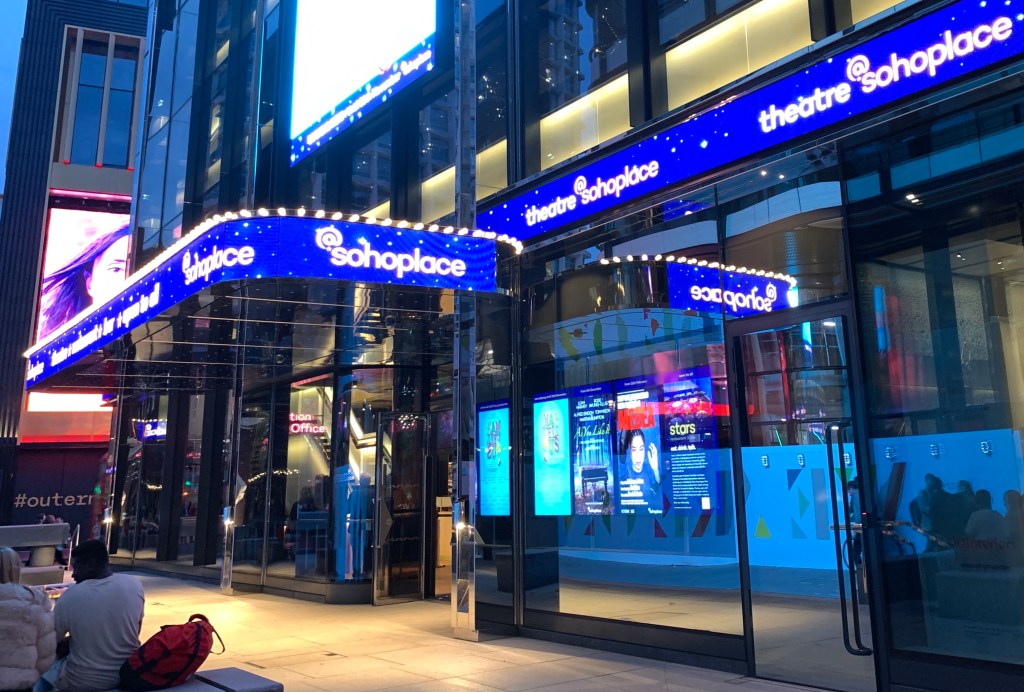
The theatre@sohoplace
In the meantime, Mike and I have had to be selective in the shows we have offered you in 2022. Our aim, as always, is to make interesting theatre available at affordable prices. This meant that we weren’t able to offer many of the shows that we would previously have booked, as the cost of best tickets soared as high as £150 (with most often no group reductions). Our challenge was to find reasonably-priced tickets for shows that enough people would want to see, and importantly to cover the cost of the coach – and yes, rising fuel prices and the ULEZ charge have had a considerable impact on coach travel too.
 .
.  .
. 
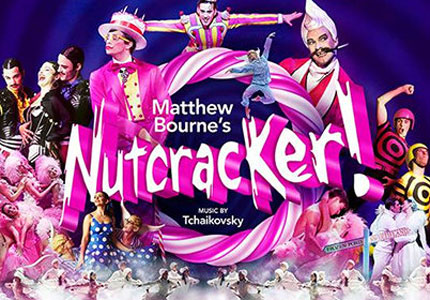
This year we offered 30 visits to 27 different shows – just over half of what we achieve in a normal year. We were not able to include an opera, which was sad, but we started and ended the year with a Matthew Bourne ballet: both Nutcracker! and Sleeping Beauty were popular choices. Sadler’s Wells remains an hospitable venue but the Royal Opera House has become more elitist as its prices continue to soar with no group discounts offered.
I’d been looking forward to Habeas Corpus, a revival of one of Alan Bennett’s most successful plays, and the production at the Menier revealed its comic exuberance and its serious theme of our preoccupation with our bodies and our inevitable end. Sadly, after that, the Menier closed for an extended period, and rumours circulated that it would not reopen. However, it is operating again now, and I hope that we will be able to offer a visit in 2023.
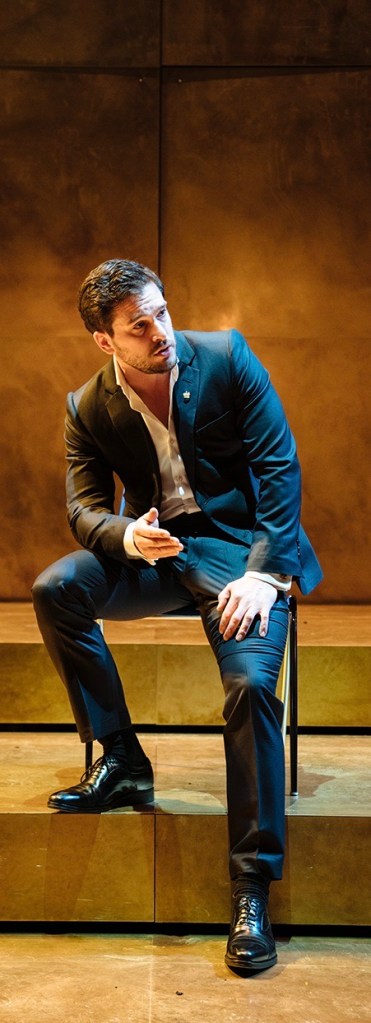
Shakespeare had a good year! Henry V, with Kit Harington, provided an exciting evening at the Donmar, while Much Ado About Nothing at the National was both inventive and very funny. Unfortunately, neither play was as well-supported by our Group as I had hoped; is there a message here for the future?
 .
.  .
.  .
.
Force Majeure / Much Ado About Nothing / A Doll’s House: Part Two
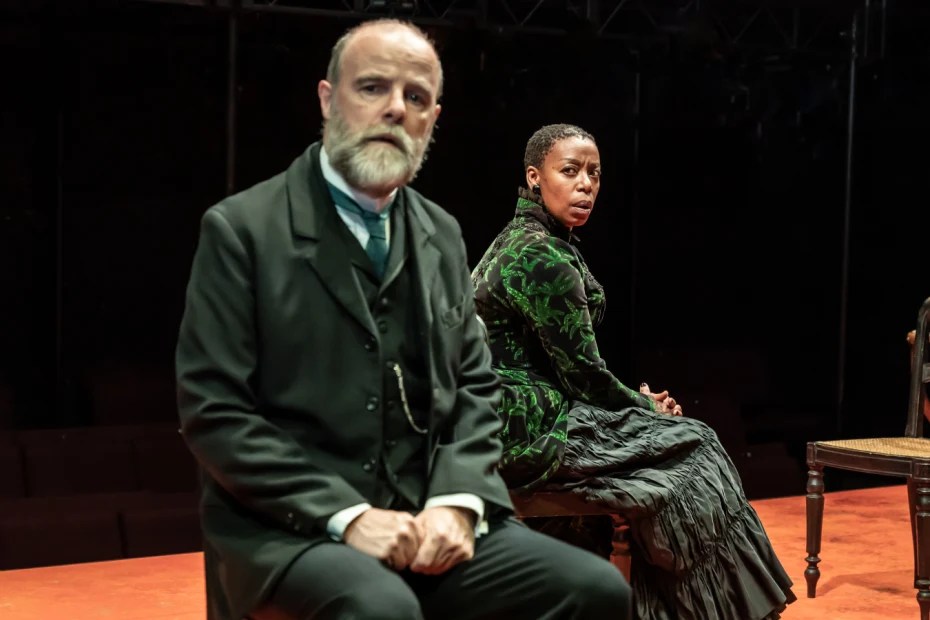
It had seemed for a while as though some of our OffWestEnd theatres were trying a little too hard to satisfy the Arts Council’s diversity and inclusiveness agenda. After an uncertain relaunch in 2022, the Donmar found its feet again with Rory Kinnear at his most hilarious in Force Majeure, and then Henry V followed, which was another success. Did Ibsen’s A Doll’s House need a sequel? No, but A Doll’s House – Part Two by Lucas Hnath was a brand new play, bristling with its own ideas and tensions, and giving Noma Dumezweni, June Watson and Brian F O’Byrne the chance to flex their muscles in heavyweight performances.

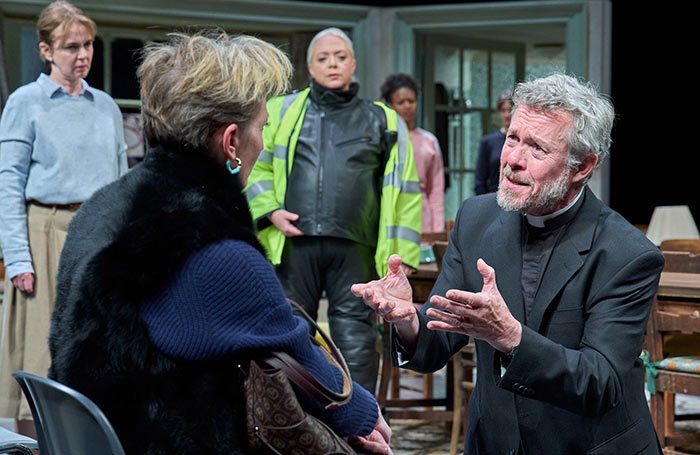
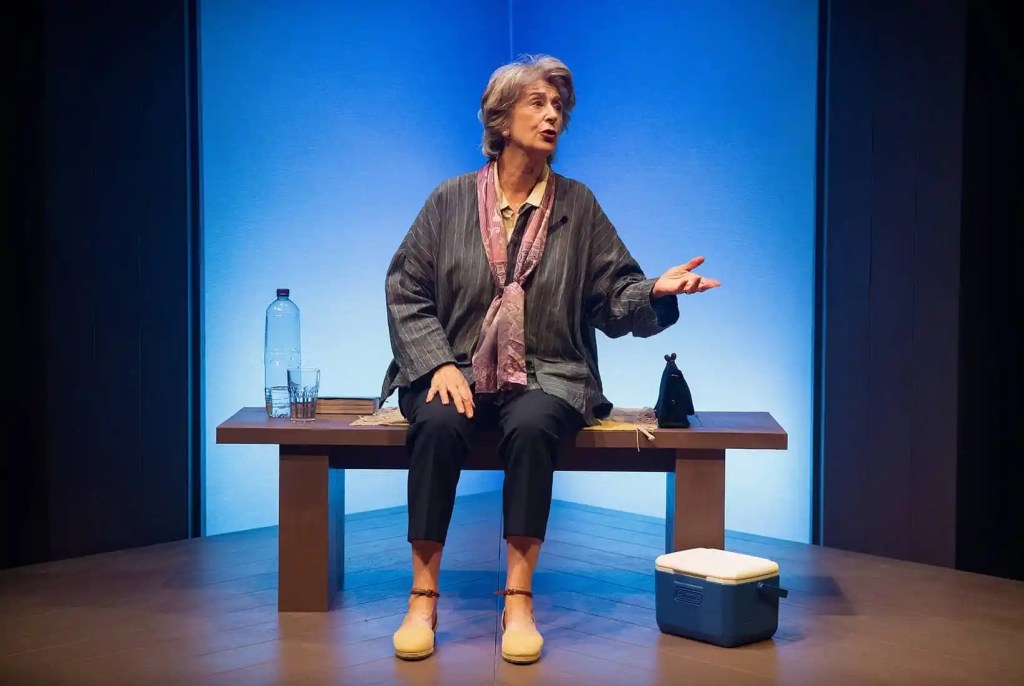
The Band’s Visit / The Southbury Child / Rose
I’d been dreading Frozen at Drury Lane, as I hadn’t enjoyed the movie. On stage, it was a delight, with exceptional design by Christopher Oram and a transformation scene that still has me gasping in disbelief. Part of the joy was sharing the experience with an audience of very excited children. We completed our much-postponed pre-pandemic bookings for other musicals – the easily enjoyable Pretty Woman, and The Drifters Girl got better and better with each viewing (I saw it 4 times!). Nevertheless, it was the Donmar that came up with the year’s best musical: The Band’s Visit was an unexpected gem, and was one of those magical evenings when all the parts fitted together. Israeli star Miri Misika was spell-binding, and we hope to see the show return.
At the Bridge Theatre, our group enjoyed Alex Jennings and Phoebe Nicholls in The Southbury Child, and also at this address David Hare presented Straight Line Crazy, his best play in years, with a towering performance by Ralph Fiennes. At a much smaller venue, the Park Theatre, Maureen Lipman as Rose was unbearably moving in this one-woman play.
We have to admit that some choices were more successful than others. On one evening, we had to cancel an outing as we were offering two plays and one was cancelled due to cast illness. It simply wasn’t economically viable to pay for the coach for a half-size group. In truth, I wasn’t too disheartened, as I’d seen one of the plays, and it really wasn’t worthy of presentation (and I have almost never said that about any show before).
What about the ones that got away? Mike and I continued to go OnOurOwn to shows impractical to organise for the Group (and I hope you’ve read our reviews). We hope some of you were tempted to make your own way to some we recommended. I’m sure everyone would have enjoyed both The Father and the Assassin and Blues for an Alabama Sky, both at the National, but would enough people to fill a coach have booked these unknown plays with unfamiliar casts? Some other theatre productions are just too prestigious to accommodate group bookings. With any luck, there may be a transfer of the classic A Streetcar Named Desire from the Almeida, and then you can see Patsy Ferran’s definitive performance of Blanche DuBois, with Paul Mescal as Stanley – let’s hope for a group discount.


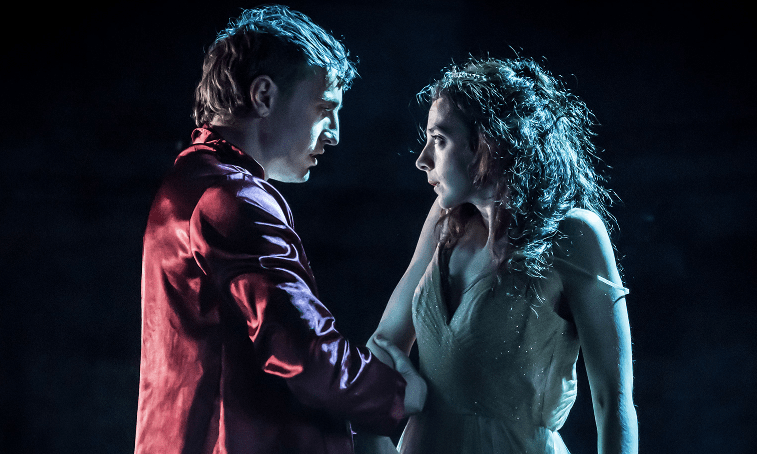
The Father and the Assassin / Blues for an Alabama Sky / A Streetcar Names Desire
Of course, none of this would be possible without the support of our loyal friends and patrons. We are deeply grateful to you (and a special word of thanks to those who helped out when we were indisposed last year) for your continued support. Our thanks too to Cook’s Coaches, and to the patient box-office staffs who have helped us during the year.
In a year of three Prime Ministers and two monarchs, another significant anniversary slipped by unnoticed. In August, it was 40 years since I started the Theatre Group as an occasional outing for my colleagues at work. Back in those days, coach-hire was a fraction of the cost now. My aim was to do the entire visit – ticket + coach – for £10 or less! This was possible because I could claim a percentage of the cost of travel from the East of England Arts Fund. This year, the average price of the tickets that we offered was £46.40, and that excludes the coach fare. Yes, there have been changes over the years. There have been many thrills and spills to look back on.
Do I ever think of giving up? Frequently! But as long as you continue to support us in sufficient numbers, we’ll do our best to carry on. We look forward to sharing more theatrical experiences with you in 2023.
06/01/23 Mike writes –
THEATREGUYS GO IT ALONE –
A report on the shows we saw OnOurOwn in 2022
We may all have different theatrical tastes but the one thing we all have in common is that we enjoy going to the theatre. We also enjoy your enjoyment when we organise our Group theatre visits but, as you know, we visit a lot of theatres OnOurOwn. As we all grow older, perhaps theatre-going seems less important for some people, but happily we still get great pleasure from keeping up with the best of what is on offer, by any means possible. We recommend shows to you via our OnOurOwn page on the website and sometimes use our visits as a test of what we can organise for you.
Looking back over our records of the last year I can see (and remember!) that it has been a surprisingly good year, considering the difficulties following the lockdown. We gave 10 shows a 5-star rating and no less than 22 shows 4 stars.


Cabaret / The 47th
Up there among the most interesting were – Cabaret at the newly created KitKatKlub, with amazing performances from Jessie Buckley and Eddie Redmayne; the weirdly wonderful The Chairs by Ionesco at the Almeida; a disturbingly accurate portrayal of Donald Trump by Bertie Carvel in The 47th at the Old Vic; full-frontal dips (gasp!) in a swimming pool on stage in the Almeida’s Daddy: A Melodrama; a radical new slant on Oklahoma! at the Young Vic; the gay companionship of two old men in Something In The Air at Jermyn Street; the incredible Jodie Comer in Prima Facie for which we even paid top price; a premier outing for the brash new Elton John musical Tammy Faye at the Almeida again; we also visited The Sex Party by Terry Johnson at the Menier which raised some prudish eyebrows; I better not go on….
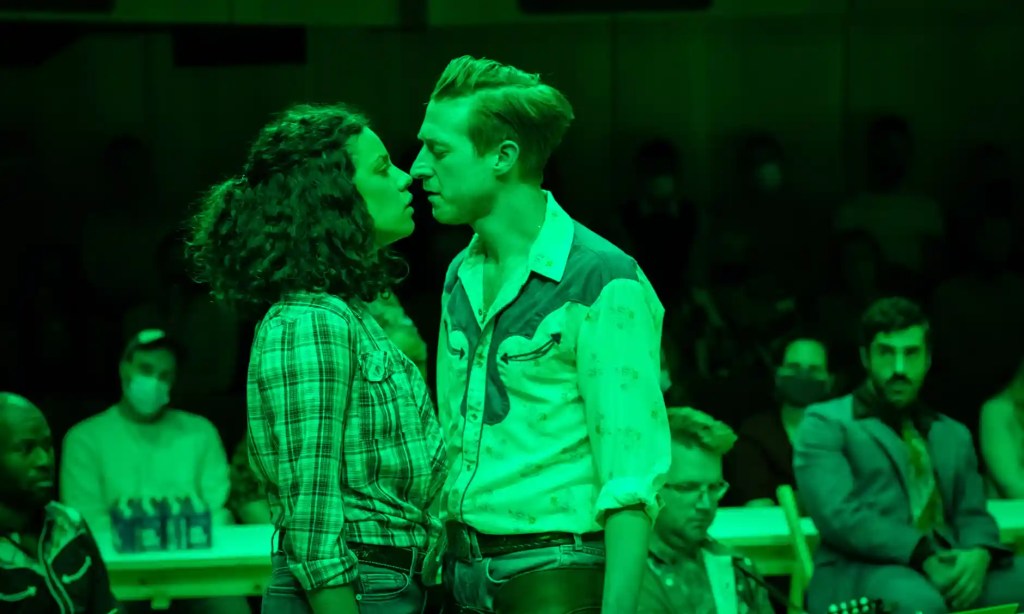
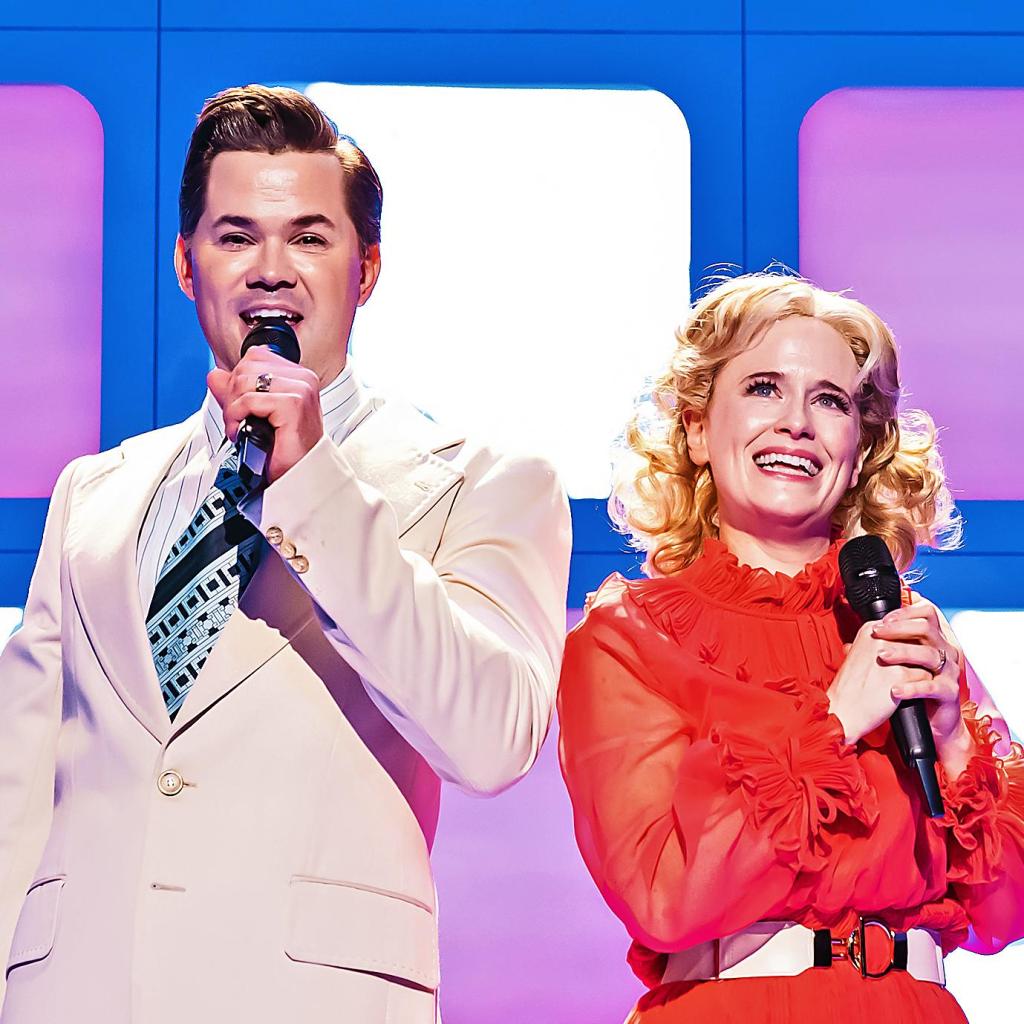
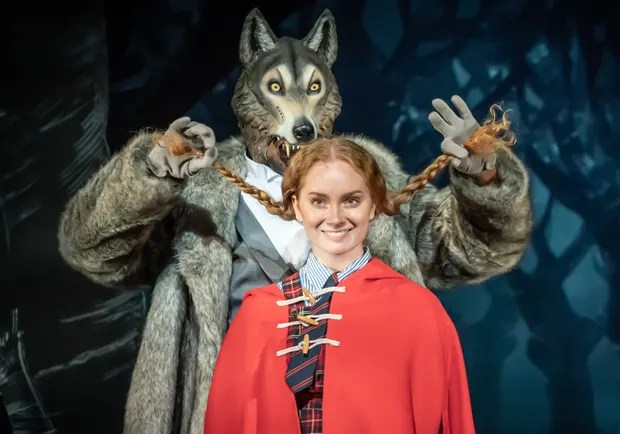
Oklahoma! / Tammy Faye / Into the Woods
However, I must mention one trip out of London to Bath where they had enterprisingly picked up the imaginative production of Sondheim’s Into The Woods which the Old Vic had shamefully rejected for misplaced PC reasons. It should have been brought back to London but there now seems no chance of that happening. But Girl from the North Country, enjoyed 5 or so years ago in London, we saw again in Woking last year – it’s touring so I hope it may return to the West End.
I should note occasional concerts too – orchestral Sondheim at the Cadogan hall; Joe Stilgoe at Crazy Coqs; and A Musical Chat Show in the basement of the Hippodrome (we do get about!).

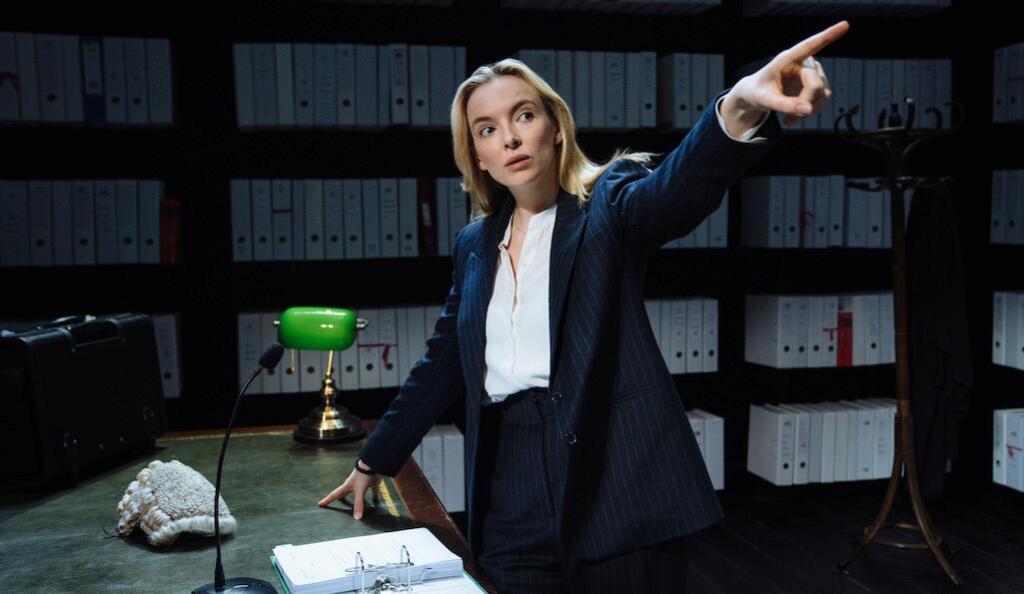
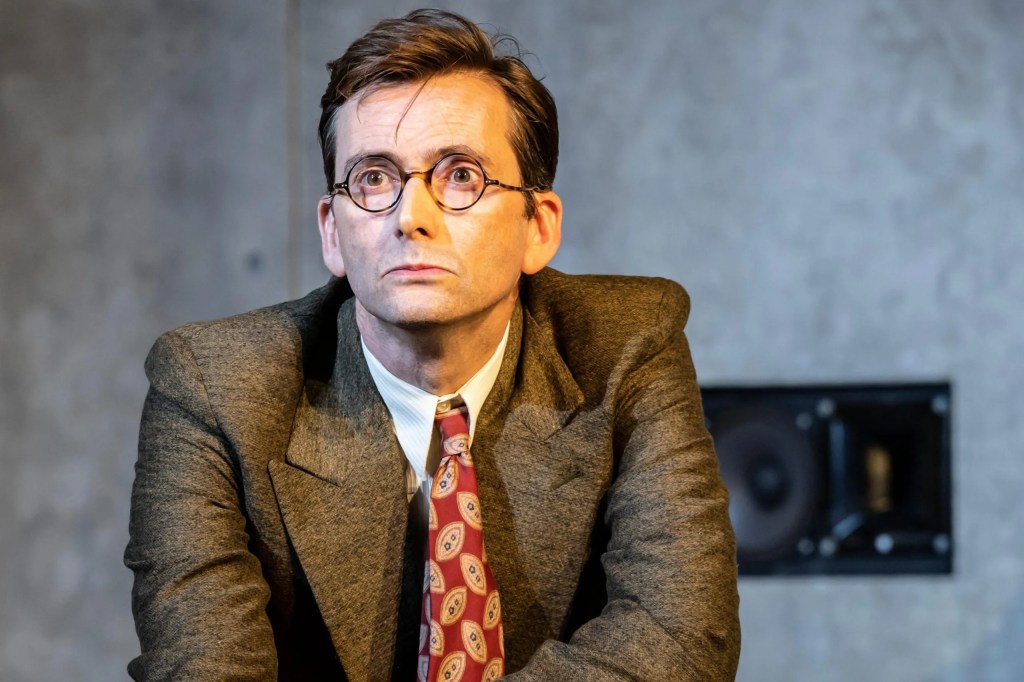
Joe Stilgoe / Prima Facie / Good
Very occasionally producers offer us complimentary tickets (8 times this year) which encouraged us, sight seen, to take you to the long running Witness for the Prosecution at County Hall and to Marvellous at the new theatre @sohoplace. At last I saw The Woman in Black, running for 30 years, as part of an invited audience, but it finishes soon – our guest reviewer, Garth, awarded that 5 stars.
In 2021 we much enjoyed The Drifter’s Girl to which we were invited, and eventually we saw it three times by subsequently taking groups to see it in 2022. And our Best Play of the Year was Best Of Enemies – our Group visit to that comes up in February this year.

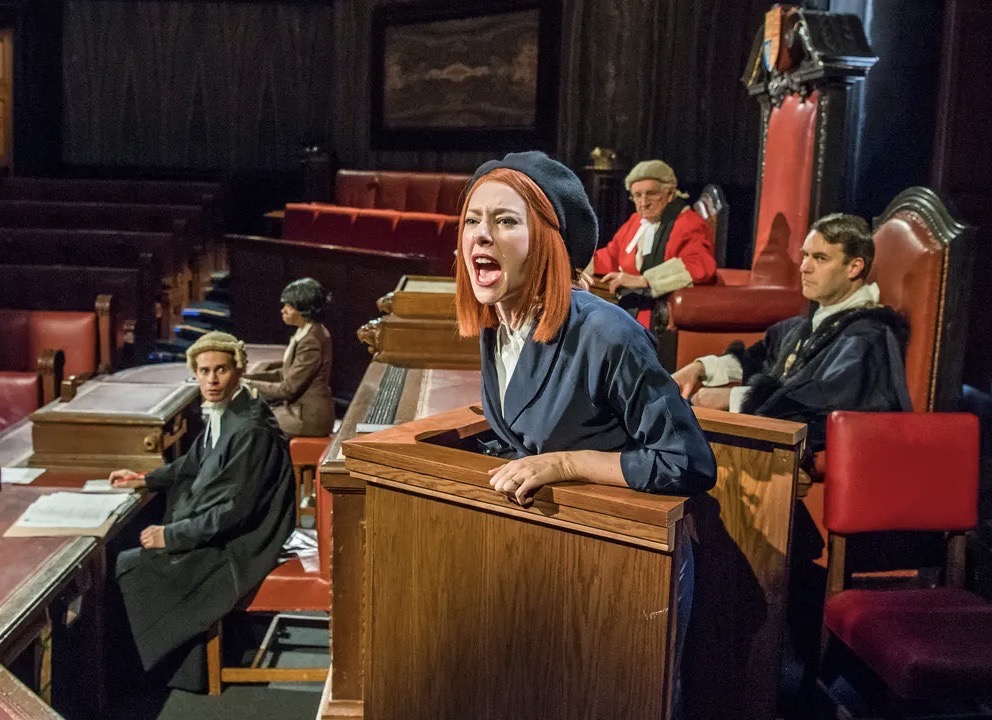
Best of Enemies. /. Witness for the Prosecution
There were times when my whole theatregoing life paraded before me for a couple of hours – the amazing 30th Birthday Celebration of the Donmar brought back memories; and (I cheat here because we saw it on tv) we cried with delight during the Sondheim Charity Gala Old Friends, full of familiar old friends from his many shows performing with great love for their material.
There were disappointments too which we saved you from, but maybe you would disagree. Personally I disliked the popular Grease, and The Lion The Witch and the Wardrobe irritated me; the opera It’s A Wonderful Life just wasn’t; and only a 2 star rating for a short run of a Donmar production which I won’t mention here. But you can still read reports on them all at the 2022 OnOurOwn page.
One luxury we don’t have when we visit theatres OnOurOwn is group discounts. We budget carefully, sometimes choosing Senior priced matinees or, of course, Upper Circle seats. We crammed ourselves into the front row of the third gallery to see David Tennant in Good, and my legs still remember there was no space for them. But £39.50 high up there was preferable to £145 downstairs….and at the Harold Pinter Theatre too, with the worst sight-lines in London. Should we return there for the 75-minute, over-priced and strangely titled Lemons Lemons Lemons Lemons Lemons? Answer: No. Or for the return of Martin McDonagh’s well remembered The Pillow Man? Er…..perhaps.
We clocked up a total of 64 theatre visits OnOurOwn last year, something to cheer about given the high quality shows on offer. But times are changing. I began my regular theatregoing back in 1961, up in ‘the gods’, gradually came downstairs thanks to an increasing salary, and the discounts and offers of Fredo’s Theatre Group. Now the increasing prices are returning me to ‘the gods’ once more. But that’s fine. All I need is better eyesight to see the faces from so far away!
TICKET PRICE WATCH
14/11/22 Mike writes – This is an occasional addition to our website where I highlight the shows which seem to me to exploit theatre fans by charging exorbitant prices for shows which the majority of regular theatre-goers would be unable to afford. This time the culpret is –

This comedy has previously appeared cheaply in other productions at Mountview and various festivals. It is a short and sweet two-character rom-com. In the West End it advertises “Seats from £15” but they are a half dozen at the far back corners of the third tier Gallery. Most of the Stalls are £150/£125/£85. There is NO discount for groups. The play runs just 75 minutes without an interval. The Harold Pinter Theatre, with columns and high curved galleries, offers the worst sightlines in the West End with many marked Restricted View. Beware what you pay for – you may end up with a lemon.
6/11/22 Fredo writes –
BLOW OUT THE CANDLES, DONMAR, AND MAKE A WISH
– Celebrating 30 years of the Donmar

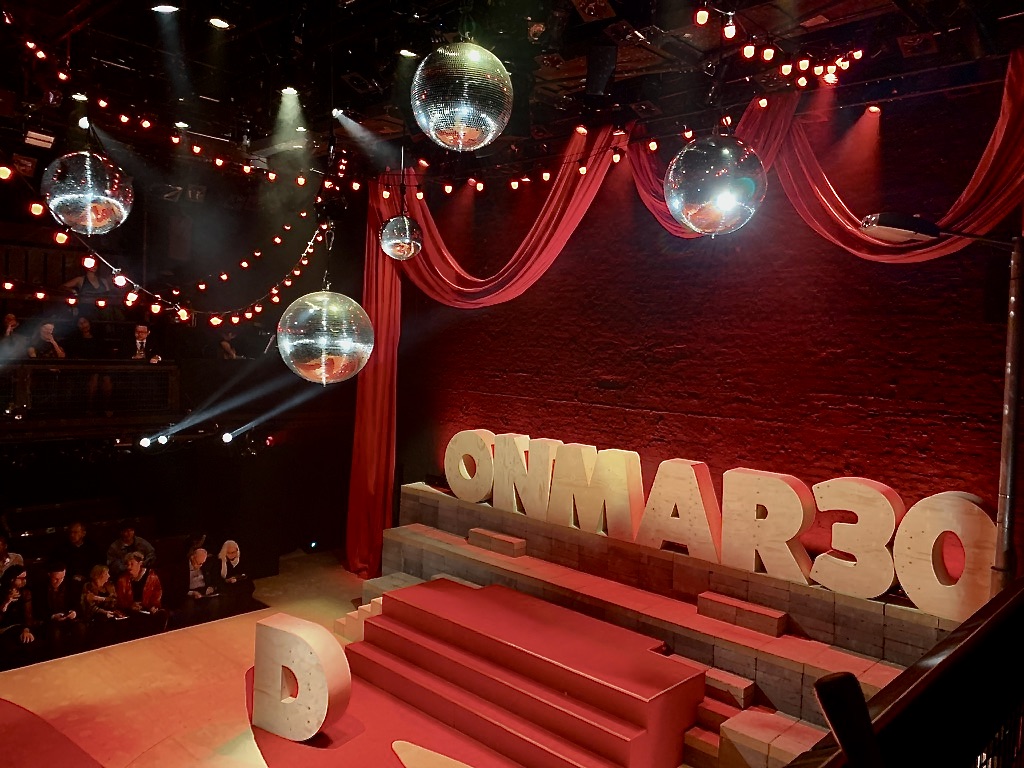
Looking at our programme for the Donmar’s 30th anniversary celebration evening, we could count very few productions that we’d missed (and in truth, a very few that didn’t please us). And as the parade of actors presented souvenirs of just a few of their greatest hits, we were reminded that on the many occasions when the Donmar came up with the goods, there is no better place to be.
Is it really 30 years since we first climbed the stairs to the Donmar Stalls to see Stephen Sondheim’s Assassins? Can 29 years have passed since Alan Cumming plucked one of our Group out of the audience to dance with him on-stage during the interval of Cabaret? And can it possibly be 28 years since Adrian Lester blew out the candles on his Company birthday cake?
The celebration, expertly directed by former Resident Assistant Director Simon Evans, began with Kit Harington striding on stage and launching into a speech from the recent thrilling Henry V – but wait! Paul Chahidi (Privacy) interrupted Kit to tell him that the programme had been changed, and he was no longer included. This gag ran through the evening, as Kit sportingly made several attempts to elevate the tone – and eventually got his reward when he delivered his speech superbly at the very end.




Kit Harington / Martha Plimpton / Rosalie Craig / Hadley Fraser
He was replaced on stage by American star Martha Plimpton (Sweat) with her little dog, singing Wilkomen from Cabaret. She was joined by Omari Douglas (Constellations), Rosalie Craig (City of Angels), and Hadley Fraser (City of Angels, Coriolanus).
The mood changed when Rory Kinnear (Mary Stuart, Force Majeure) and Nikki Amuka-Bird (The Lady from the Sea) presented the tense argument scene from The Real Thing by Tom Stoppard, where Rory uses a cricket bat as a metaphor for writing a play. He delivered it immaculately – almost as good, joked Sam Mendes later, as Stephen Dillane in the Donmar production.
Then one of the moments we’d been hoping for! As soon as we spotted Henry Goodman’s name in the line-up, we guessed that we had a treat in store. Sure enough, Henry took to the stage in the eccentric costume from Assassins and with help from Marc Antolin (The Band’s Visit) did his cakewalk/dance of death to The Ballad of Guiteau. Henry told us afterwards that he felt he hadn’t done it as well as he’d wanted to. We assured him we didn’t agree; he brought the house down (and killed a president!)
If anyone had guessed what was going to happen next, they would have saved it till the end. One of the defining moments in the Donmar’s history was Adrian Lester singing his heart out in the final moments of Company, with tears streaming down his face and not a dry eye in the house. Adrian took to the stage again, and delivered what most surely will be the definitive version of Being Alive – and was rewarded with cheers and a standing ovation, and the sort of exuberance in the audience that takes minutes to settle down, “Adrian Lester! What the fuck!!!” exclaimed Sam Mendes. “He never got a standing ovation for that during the run!” (and he should have, night after night).
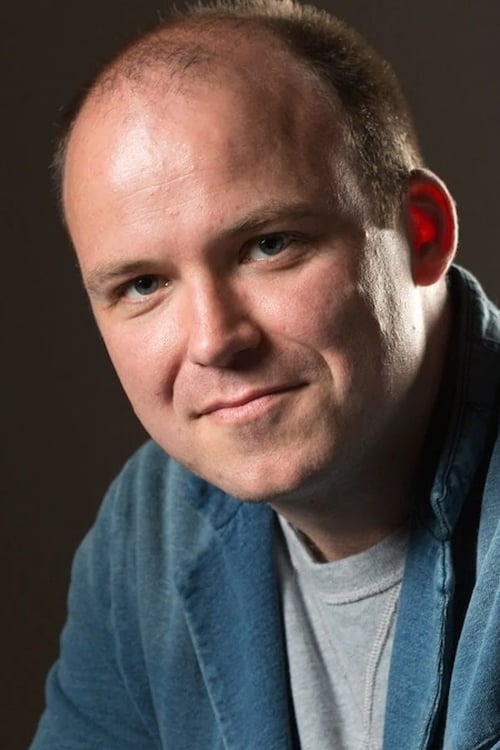

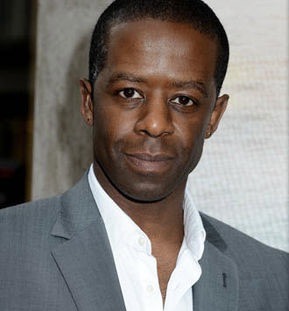
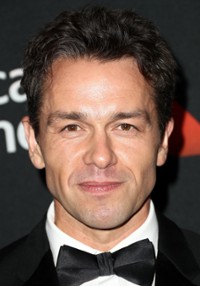
Rory Kinnear / Henry Goodman / Julian Ovenden / Julian Ovenden
And so should Julian Ovenden (Merrily We Roll Along, My Night with Reg), another performer who creates excitement just by walking on stage. Julian sang with great feeling, Not A Day Goes By reminding us of his debut on that same stage 22 years ago.
Douglas Hodge (Inadmissable Evidence) told us about one that got away. He and Michael Grandage had worked on a musical version of Three Sisters but it hadn’t worked out. However, Michael had particularly liked one of the songs that Douglas had written, and he sang it with great feeling.
Jenna Russell is another consummate performer who has reached that point in her career where she couldn’t put a foot wrong if she tried. She didn’t refer back to her appearance as Cinderella in Into the Woods at the Donmar in 1998, and instead entertained us with two songs from Guys and Dolls, a Donmar production in the West End in 2005. She segued from My Kind of Town to a sparkling rendition of If I Were a Bell, and being Jenna, threw in an anecdote about kissing Ewan McGregor.
The Donmar is very proud of presenting an all-women cast in the trilogy of Shakespeare’s plays, starting with Julius Caesar, followed by Henry lV and finishing with The Tempest. Jackie Clune, Zainab Hasan, Leah Harvey and Harriet Walter reminisced us about this experience, and Leah recalled watching Harriet play Brutus, Henry and Prospero all in one day!
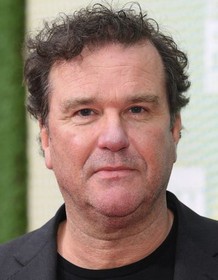
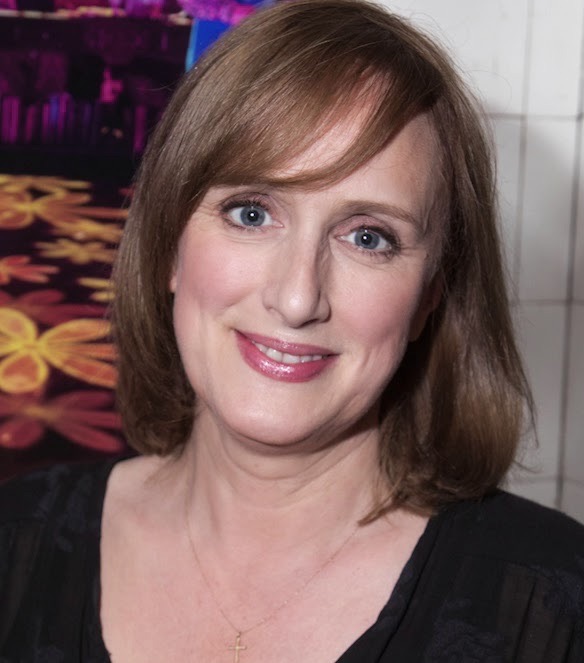


Douglas Hodge / Jenna Russell / Hariett Walter / Monica Dolan
City of Angels was one of the Donmar’s most successful musicals, and Rosalie Craig and Hadley Fraser reminded us why, with two songs from the jazzy score. This was bitter-sweet, as the West End transfer was due to open the day theatres were closed down because of the pandemic.
The Shakespearean theme continued – sort of – when Daniel Monk recited his opening speech from Teenage Dick in 2019. This resetting of Richard lll in an American high school brought the play to life for younger audiences.
In the same year, another American play electrified us. Monica Dolan relived her great speech from Appropriate in a blistering performance that stripped away the character’s forcefulness to reveal a pit of loneliness and desolation. Give her a belated Olivier award!
Wouldn’t it have been embarrassing if the Donmar was celebrating its achievements during the run of one of its rare misfires? Fortunately, their current production The Band’s Visit is an instant classic, and has earned its place in the pantheon of Great Donmar Shows. We had been praying fervently that we would hear Miri Mesika sing Omar Sharif, and indeed she did oblige, playing the entire scene with Alon Mendoza De Hevia, and the exceptional band – Andy Findon, David Schrello, Antonio Romero and Baha Yetkin. From my seat, I could see Harriet Walter lean forward to drink in every detail of Miri’s performance.

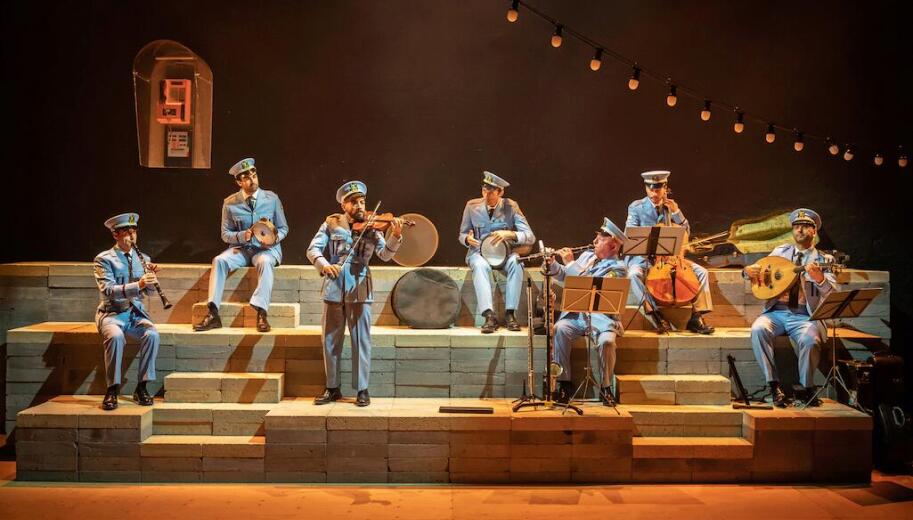
Miri Mesika / The Band’s Visit
Susan Wokoma (The Shakespeare Trilogy) and Lucian Msamati (he’s on the Board of Directors) came on to finish the evening, but Susannah Fielding (Trelawney of the Wells) and Ron Cook (Faith Healer, King Lear and many more) objected. There was more – but how could one evening encompass 30 years? Finally, Kit Harington got his chance to deliver his speech from Henry V to the assembled cast and a hushed audience. We cheered.
It wasn’t over yet: producer Henny Finch thanked us for our support. We were aware of one unwelcome birthday present that the Donmar hadn’t wanted. Along with several other leading companies, Arts Council England has withdrawn their entire grant. Henny assured us that they were feeling resilient and confident they will be here in 30 years time for another celebration.
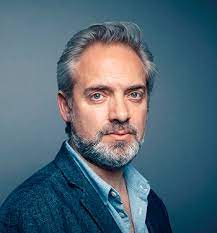

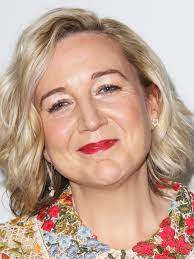
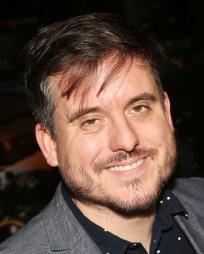
Sam Mendes / Michael Grandage / Josie Rourke / Michael Longhurst
Sam Mendes, who was only 25 when he became the first Artistic Director, recalled opening the theatre, and having Stephen Sondheim usher him out of the auditorium during rehearsals. Sam thought they were going to have an argument about an artistic choice he’d made. Instead, Sondheim complained, “Sam, there’s no soap in the toilets.” It was at that moment he realised that running a theatre wasn’t all glamour.
A happier memory was watching the late, great Helen McCrory enter through the audience and cross the stage to exit while watched with longing by Simon Russell Beale and Mark Strong in Uncle Vanya – “the greatest entrance and the greatest exit in one go.”
Michael Grandage described taking over from Sam as being the exact opposite of taking over from Liz Truss. He thanked his associates who helped him, including casting director Anne McNulty. Michael’s tenure had seen the theatre develop outside its four walls, with seasons in the West End. However, he described the Arts Council’s decision as part of the serial incompetence by this body over the years – to thunderous applause.
Josie Rourke had worked at the Donmar as an Assistant before her tenure as Artistic Director. She recalled her excitement at getting the job, and the terrifying experience of having to sing for Samantha Spiro in Merrily We Roll Along, when Samantha lost her voice during a performance (Stephen Sondhein walked out!)
Michael Longhurst thanked his predecessors – and of course the Donmar audiences and supports. It’s going to be a struggle once again to keep the theatre producing its work to its high standard, but we felt that it is coming out fighting from a position of great strength.
So blow out the candles – that’s our wish. And we’d like to propose a toast: Here’s to another 30 years – and more!
(Mike adds – We must remind ourselves that the Donmar has been ticking boxes over several years with programming celebrating diversity, feminism and inclusion on instruction from Arts Council England (ACE), under threat of their grant being reduced if they didn’t. The Donmar’s grant has now been withdrawn completely on the instruction of Nadine Dorries, the incompetant and now defunct Arts Minister. The Donmar and all its supporters, audiences and beneficiaries have to suffer the result. The Donmar NEEDS all its supporters/members and sponsors now more than ever. And of course it deserves its loyal audiences.
18/10/22 Fredo writes –

SUMPTUOUS MELANCHOLY –
A report on the Q&A with the cast of The Band’s Visit
We’d heard that David Yazbek’s The Band’s Visit had won many awards on Broadway, and we’d also heard rumours that the Donmar production was better than the one in New York. Now we’ve seen it, it’s hard to believe that any staging could be more appropriate than this simple one.
Don’t expect jazz hands, or foot-stamping show-stopping production numbers. This musical makes its impact in more subtle ways. As one of the songs says, it’s like “honey in your ears.” It’s impact creeps up on you and when it ended, Mike turned to me and said, “It’s sumptuous melancholy” – and it is.
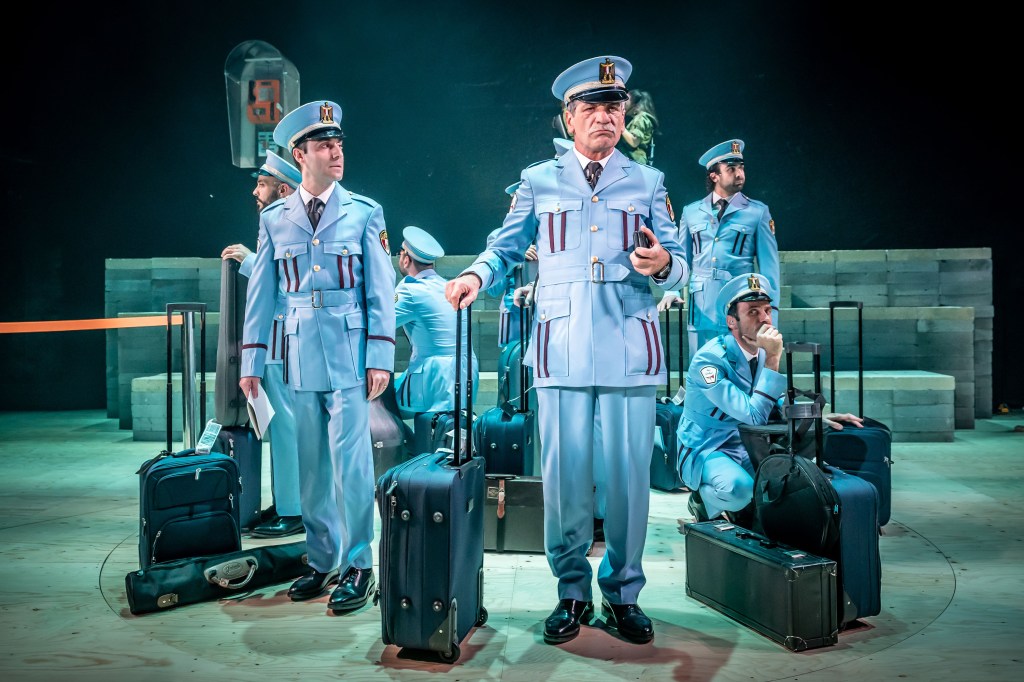

We recognised very few names in the cast, as most had been recruited in Israel or for their individual musical talents (5 of the cast play their own instruments on stage). When the Director of Development Silvia Melchior brought many of them on for a Q&A, I could only identify them by the names of the characters they had played! Once relaxed, all were enthusiastic to talk about their show with us and between themselves.
Silvia asked them why they had wanted to appear in this show, and Alon Moni Aboutboul replied that there weren’t enough words to explain. Several of his friends had been in the original film, and he had a great affection for it. Miri Mesika, who is a major recording star in her home country, had been told by several friends who saw the show in New York that she had to do it, but she had never dreamed that she would get the chance. When she got the call offering her the role of Dina, she was in the street, and she started to cry, overcome by her sudden joy.
Several cast members are of Israeli or Egyptian ancestry, and had never thought that they would get to play characters from their own backgrounds, or to tell a story about Israel which isn’t politicised.

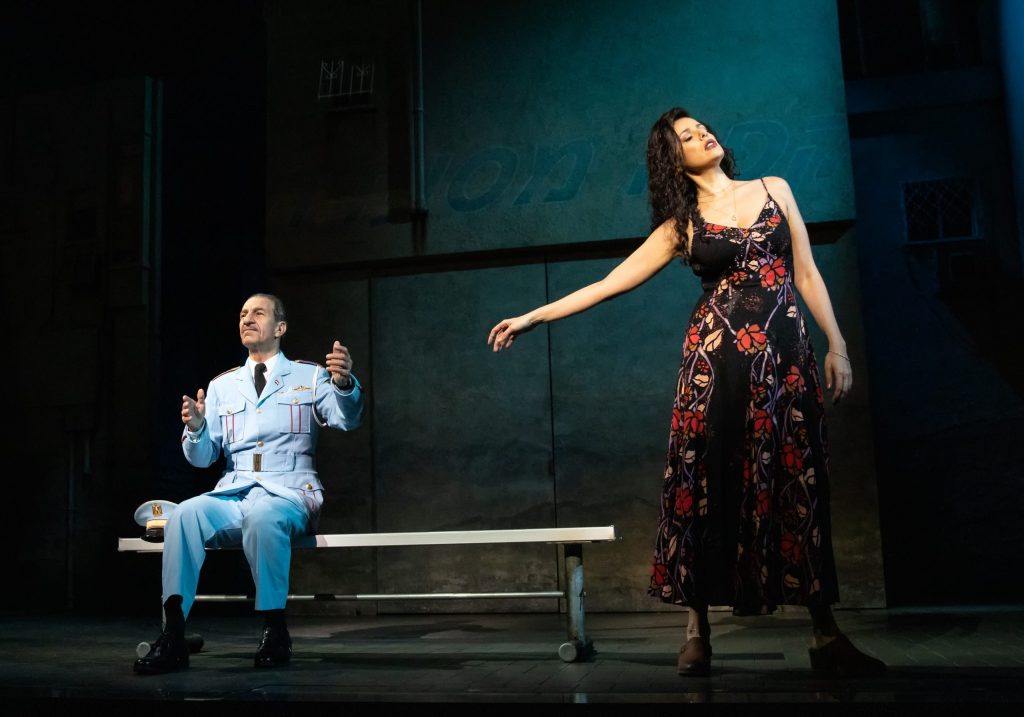
All the cast praised director Michael Longhurst’s rehearsal methods, though Miri found them a bit confusing to start with. She told us that she complained to her husband about the games they had to play together and the involvement of other members of the cast in her scenes, but he told her to be patient. Now she was enthusiastic; she understood that Michael was moulding the company into an ensemble. And as a bonus, she gets to kiss Sharif Afifi every night.
“I love everything about the Donmar,” Alon told us, “except the money.” Yes, they’re all getting equal pay – even the exceptional and specialised musicians.
It’s a show of individual scenes that explore how brief, chance encounters can illuminate forgotten dreams and open our hearts in unforgettable ways. Open your own heart to smiles and moist eyes, and you won’t forget it either.
Miri Mesika sings “Omar Sharif” from The Band’s Visit. You know who he was, but another mentioned is Oum Kalthoum who was a “legendary Egyptian singer”.
11/10/22 – Southend’s JAZZ CENTRE UK – Important information
We have some very disturning news about the Jazz Centre UK at the Beecroft Gallery, Southend. Our friend Digby Fairweather has written to tell us what is happening and I repeat most of his letter below –

Dear all at TheatreGuys,
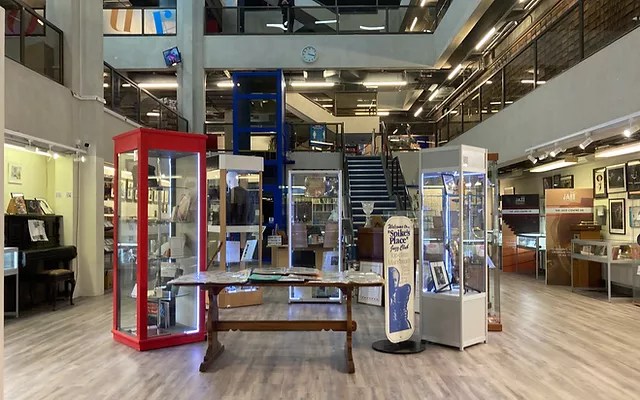
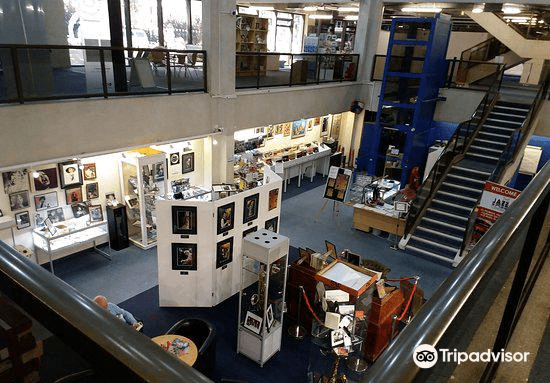
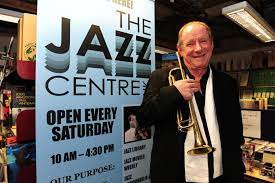
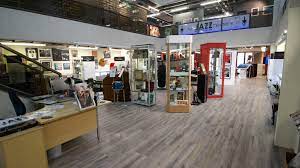
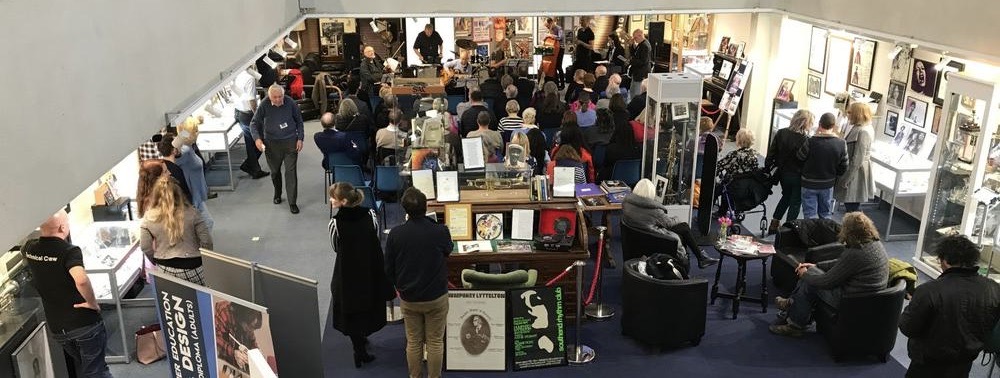
As a fellow lover of the arts I wanted to share a problem with you. You may have heard the recent news that The Jazz Centre UK has been served with 12 month’s notice to quit our premises at Southend’s Beecroft Art Gallery as of 1st August 2023. The Jazz Centre (Charity number CIO:1167421 and set up in June 2016) is the very first cultural centre for jazz in Britain…
After six years, this has come as a deeply unexpected and unwelcome shock to our Board of Trustees and volunteers – and meetings with Southend City Council’s officers to ask the reasons have met with much less than satisfactory responses. There have been no practical offers of alternative premises so far, nor offers of any kind of financial support for a project in which we have believed very deeply since setting up our Charity in 2016: in short, to set up the first-ever cultural centre for jazz in Britain after more than 100 years of flourishing activity in the music both internationally and in the UK.
My great friends Fredo and Mike have kindly invited me to ask if members of TheatreGuys might be prepared to write a short letter protesting our Service of Notice and supporting our project? This would be of great value if so. My personal belief is that American and British theatre contributed centrally to the repertoire of jazz for what might be called its ‘Golden era’ from (say) 1910-1970. And as a lifelong fan of the British and American Musical – I was actually smuggled into a trip to see Rex Harrison and Julie Andrews in ‘My Fair Lady’ (at the Drury Lane Theatre) with our local Womens’ Institute in 1958 at the age of 12! – I feel that our two genres have much in common and many mutual enthusiams to share. I’m also happy to say that some of your members have joined me at The Sands – my monthly jazz club on Southend Seafront – to enjoy some music too!
I would be devastated if the many and various activities of The Jazz Centre UK (our walk-through history of jazz; our flourishing weekly live jazz presentations; our film club; our fantastic artefacts including Louis Armstrong’s first trumpet, the complete Humphrey Lyttelton collections, Sir John Dankworth’s first piano and so much more) were to be brought to a premature end (quite possibly on a rubbish dump) by the dubious rulings of a local council.
If you could find time to write a letter (or email) it would be truly appreciated. The people who need to read it are:
cllrmulroney@southend.gov.uk (Environment, Culture and Tourism)
scottdolling@southend.gov.uk (ActiveSouthend)
With my sincerest thanks to Fredo, Mike and all of you.
Digby Fairweather
Founder/Lifelong Patron: National Jazz AArchive, Loughton, 1988
Founder/CEO/Creative Adviser: The Jazz Centre UK: 2016-present.
Fredo and Mike add –
Southend has only recently been awarded City status and one would hope that Culture would be top of the list of amenities to offer both residents and visitors alike. The Jazz Centre UK is a 100% volunteer led charity arts & cultural hub – it’s a valuable amenity for Southend and beyond. And yet the Council are not prepared to continue its current support.
We are all Theatre fans and need to show our solidarity with those who like Jazz with similar enthusiasm. Please DO show support for saving the Jazz Centre by signing their petition, calling in at the Beecroft Gallery where the Jazz Centre will welcome you, and most essentially writing to the Council to show your opposition to the shameful decision which jeopardizes the Centre. It’s an essential facility of which Southend should be proud, of which any city should be envious, and which we should all support.
Cllr Carole Mulroney is the cabinet member for Environment, Culture and Tourism who has served notice on the Centre to quit its premises without offering appropriate alternative accommodation. You should address your comments to her but also to your own councillor so all are fully aware of your objections to her decision. The decision MUST be reversed.
The website of Southend Borough Council can be found at this LINK
(updated 21/10/22)

17/09/22 Fredo writes –
SILENT NO MORE: A Q&A with the cast of Silence
It’s always interesting to hear what the cast have to say about a play that they’ve worked on, especially when the performance has divided opinion. As the Donmar’s production of SILENCE had with our friends and us (see Mike’s review OnOurOwn)

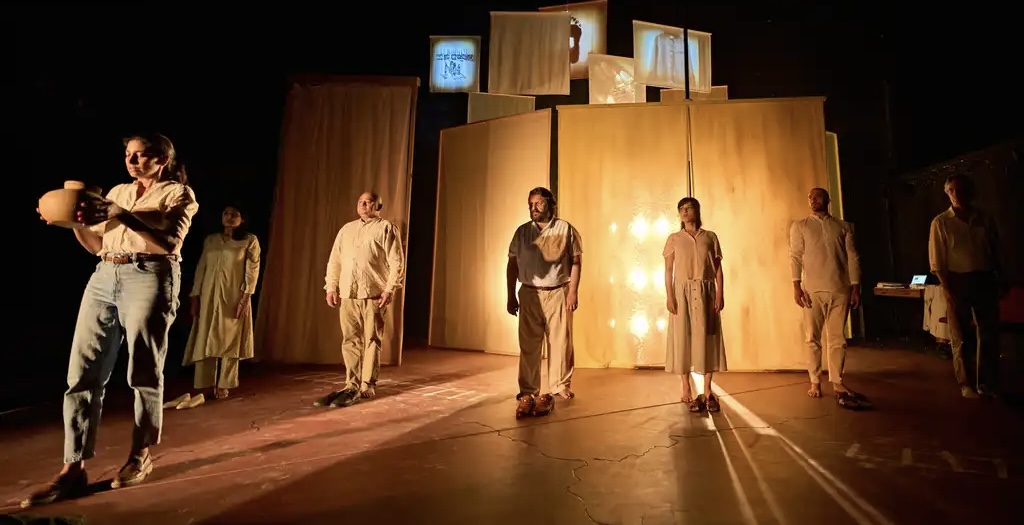
Six of the cast joined the Development Director Silvia Melchior and Assistant Director Lata Nobes to discuss the play with the audience. It was immediately obvious that this was a deeply personal project for all of them, as Rehan Sheikh told us how emotional the first reading had been.
Rehan had heard stories of the Partition of India and Pakistan – the infamous drawing the line on the map in the last days of the Raj – from his grandparents and uncles and aunts. His mother, now in her 80s, had experienced the upheaval as a child. As the discussion progressed, it emerged that his knowledge was unusual, as his fellow actors told how the Silence in the play echoed in their own homes.
Why was this? Did families want to forget the trauma? Did they want to protect their children from their history? Is forgetting a process of continuing to live ?
Bhaskar Patel (on a break from Emmerdale) had been available for the first play reading, and had just turned up, not knowing what the play was about. Tears flowed, and he fought to be in it.
Jay Saighal reminded us that the play is constructed from true stories about real people, but had been crafted by the playwrights. Last week, some of these people had come to see the play, and he met the man he plays (with great charm, I must say).
Some of the stories were more harrowing than others, and Rehan said that it was impossible to play those scenes technically, and he often had to rein in his feelings in performance. These are stories you don’t want to forget – Renu Brindle agreed: she thinks of her own mother being parted from her mother, and sent off on a train with her siblings; she thinks of the uncomplaining strength of her grandmother. This play was a story she felt she had to tell.
The play contained several scenes in which the dialogue was briefly in Punjabi, and our friend Margaret asked about this bilingual element. Lata said that the meaning came over because of the context and the body language of the actors, and that in Anglo-Asian households, language is fluid (and with my mother’s Italian family, I can add that this happened in my home as well).
Many members of the audience who had stayed for the discussion were second and third-generation Indian, and their strength of feeling was palpable. Why does Silence surround the subject of Partition? Why were we not taught in school? Why are their parents and grandparents so defensive, so guarded, so silent? There was a sense of relief that a wound had finally been exposed.
While I had reservations about the play as a piece of drama, I can’t argue with its value in opening a conversation which seems long overdue. Fortunately, the play is a co-production with Tara Arts, and will be seen again in another location. This will help end the silence.
Subsequently: 18/09/22 The Leicester News website reports –
Appeals for calm and an end to violence after days of unrest in Leicester
Community leaders are said to be on the ground with officers and are urging people to avoid the area.
The incident follows a spate of violence and disorder of the area of the city, which started when a fight broke out in Melton Road, Belgrave after the Asia Cup Cricket match between India and Pakistan on Sunday, August 28, leading to eight arrests. Continued unrest between some members of the Hindi and Islamic communities in the area in the days that followed led the police to launch an operation and make 19 more arrests.
(This is the 75th anniversary year of India’s partition.)
16/08/22 – Premium Pricing
Julian Sturdy-Morton and his wife Maria run a social and theatre-going group not dissimilar to our own. He wrote a piece about Premium seats and has kindly agreed to let us reprint it here as we thought it would be of interest to you. Their website can be found at abitoftlc.org.
“Premium seats are the very expensive ones in the middle of the stalls. The puddle of premium seating waxes and wanes in line with public demand so that sometimes there are very few and at other times the premium seats dominate.
When we book, we try to get as close to ‘Premium’ as possible while sticking to the far more fairly-priced Band A tickets. The result is that you frequently sit among premium seats next to people who paid 3 to 4 times as much – for example, for Leopoldstadt TLC members paid £49.50 per ticket, other Band A 4patrons paid £75 and Premium paid £150 while, on the night, we were all sitting side by side.
Unfortunately, the pandemic means theatres need (want) to maximise revenues. They frequently start out with many more premium priced seats than they will sell. They are being heavily criticised in the press for doing so and, in our opinion, quite rightly too. Notwithstanding, we shall keep pushing to get the best value for our members.“
Mike adds – We couldn’t agree more. We too obtained a Group discount for Leopoldstadt and continue to take advantage of Group discounts whenever we can. However, theatres are now reluctant to offer discounts and often only offer them once they realise that their higher priced seats are not selling well. This has happened at the Bridge Theatre where we have had to push for a Group discount before they considered it. Other theatres do as Julian says and reduce Premium Price seats to Top Price if they do not sell. Of course the Top Price is also a high price so we always try to offer you reasonable priced tickets even when we receive no Group discount.
Staff and performers need to earn a living, “times is hard”, so these days the compromise between covering a production’s costs and encouraging an audience to book becomes increasingly difficult. Off West End theatres still offer great value, so we try to balance high prices with low prices to make our average theatre-going price more affordable. We tell you what you save, when you save it, but please don’t forget that most West End Top Prices are now well over £100. And Premium Seats can be much much more. That’s show business!
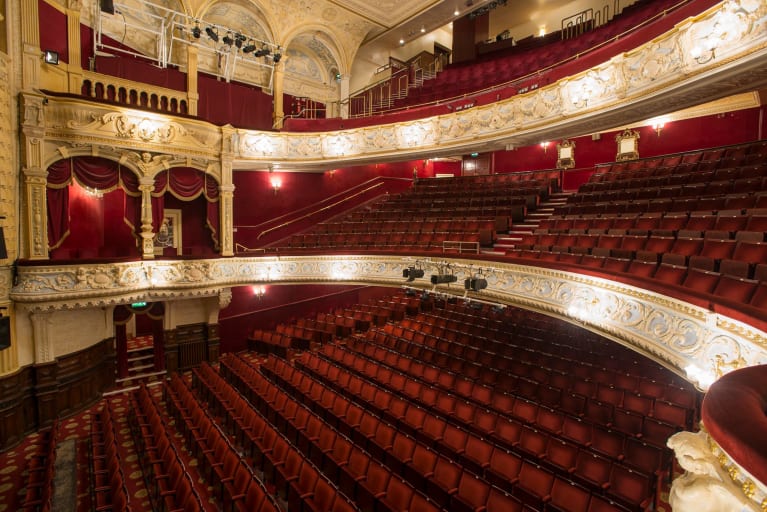
We would love to show you an example of seating areas at different prices, but theatre seating plans are copywright and those areas can be changed from time to time during a production’s run. They call it Dynamic pricing. We call it Deceitful pricing.
25/07/22 Fredo writes –
Welcome VISIT
Because we’re members of the Donmar’s Director’s Forum, we are invited to special meetings to hear about their forthcoming productions. Last week, we had the opportunity to find out more about their next one, The Band’s Visit.
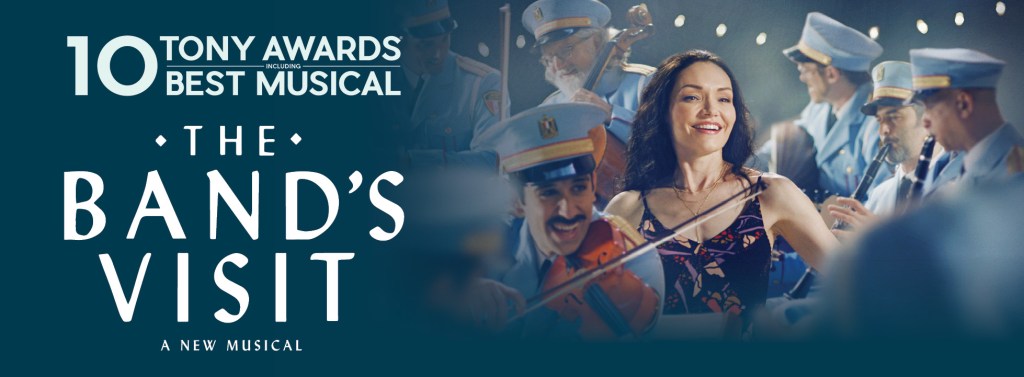
This was intriguing. We knew that it was based on a movie, but somehow that had passed us by. The show had been a success on Broadway, and had won 10 of the 11 TONY Awards for which it was nominated. But what was it about, and why didn’t we know the songs? It seemed that only our friend Jan knew about it, and she told us that she plays the cast album over and over.
We gathered in the Green Room at the Donmar’s headquarters in Dryden St to hear the Artistic Director Michael Longhurst tell us why he had chosen this as his first musical at the Donmar. As an introduction, we were serenaded on the oud (a Middle Eastern lute) by the Music Consultant Attab Haddad.
Michael told us that first of all he was anxious to direct a musical during his tenure at this theatre, and had had discussions about which shows were possibilities. One of his colleagues suggested this one, and Michael recalled that there was a great buzz about it during one of his visits to New York.
He discovered that it was based on an Israeli film from 2007, which had won prizes from the Israeli Film Academy.. The story is simple: the Alexandria Ceremonial Police Band are on their way to give a concert in Israel, but are given tickets to the wrong destination, and have to spend the night in a remote village before they can catch a bus the following day. They are taken in by the residents and a all lives are touched by the accidental crossing of their paths.
So far, so very Come From Away. However, the Assistant Director Orr, who is a Moroccan Jew whose family live in Israel, explained the importance of the film in his homeland; it showed without emphasis the similarities of Israel and its neighbours. While the film and the show make no direct reference to the conflict between Israelis and Arabs, it underlies the transactions between the characters who open their hearts and homes to the visitors.
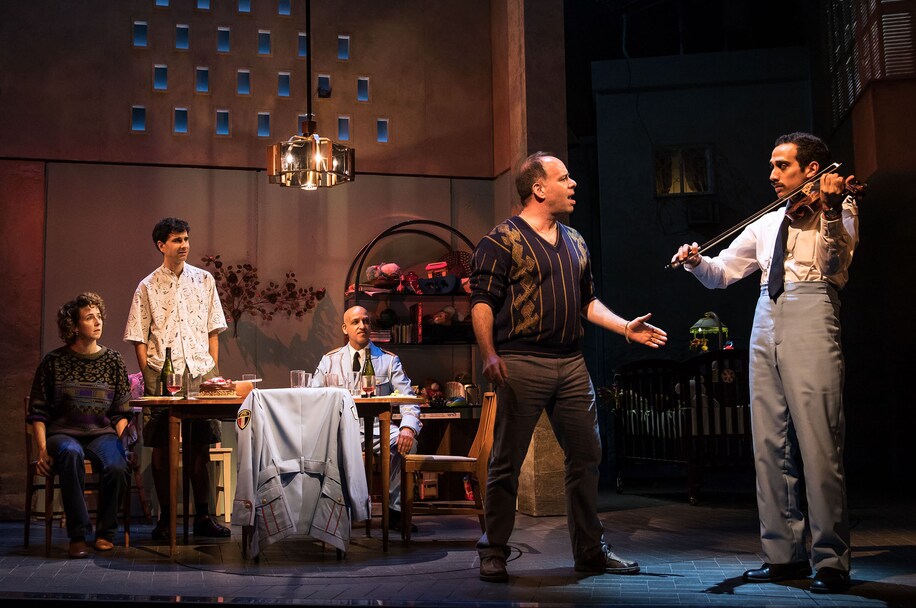
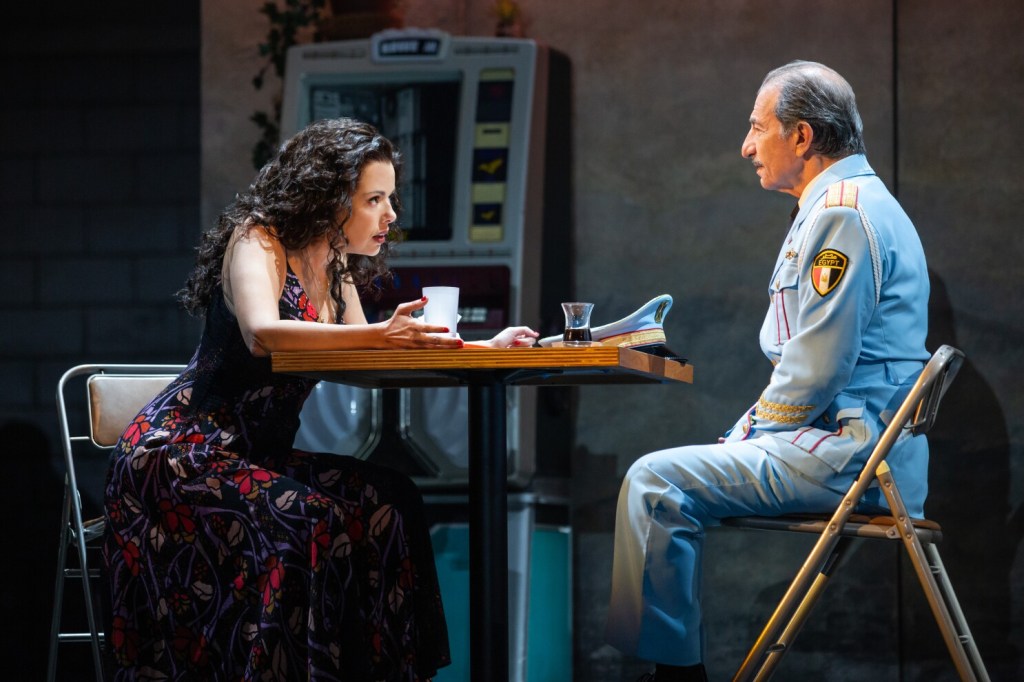
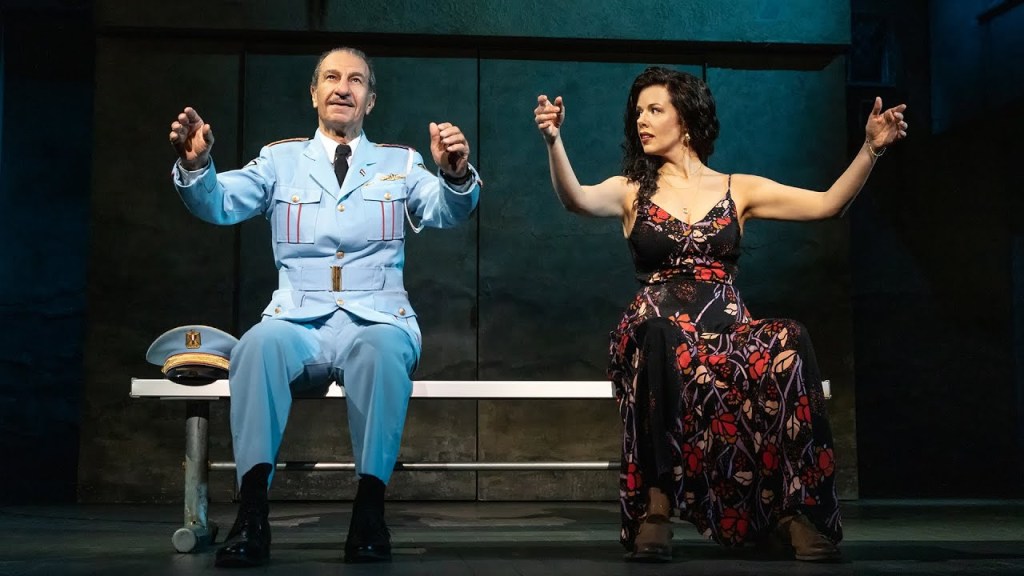
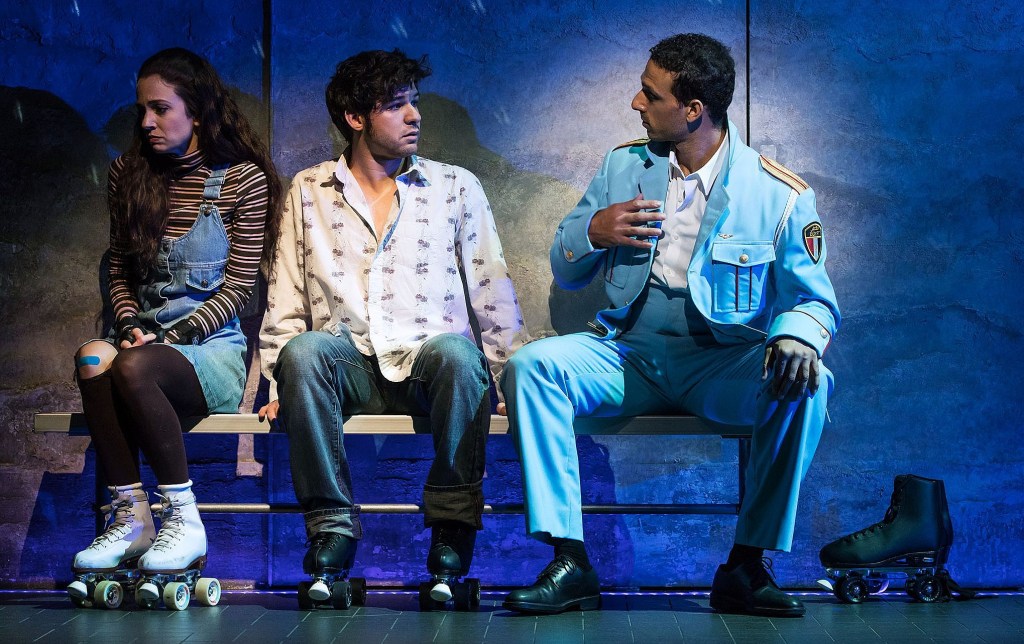
Michael told us how he had to wrestle the rights to do the first European production of the show in the face of great competition from other companies. The show ran for 589 performances on Broadway, and even recouped its capitalisation (a rare occurrence). He was surprised that producer Barbara Broccoli (yes, of James Bond fame) agreed to allow the Donmar to show it, but she wanted to transfer the Broadway production onto the Donmar stage.
Michael held out to do his own staging, and eventually won. With Orr, he visited Tel Aviv, and experienced the “hosting” that the country is famous for. He wanted to explore this generous culture; what he didn’t want to do was “Broadwayfy” the piece.
Nigel Lilley, the Musical Director, pointed out that David Yazbek who wrote the music and lyrics, specifically wanted to do the film as a musical, and not to override it. Actor Peter Polycarpou agreed that the show is about small exchanges of people’s lives, and it would be wrong to overwhelm it with business.

Peter is the only member of cast whose name has been revealed. Michael felt that it was important for this show to have performers who have some lived experience to share, and has been negotiating to bring over some actors from Israel and Egypt – fingers crossed that they can sort out visas.
But there are other issues: there will be 5 musicians on stage, playing traditional instruments, as well as 4 off-stage musicians. Also one of the actors has to play the violin, so casting has very specific needs for this show.
Will it look like the Broadway version? No, it will have a different design aesthetic, depending more on atmosphere than on replication. All in all, it sounds like the perfect Donmar show, one that will bloom and flourish in the intimate setting of this theatre.
I can see it having a broad appeal to lovers of music and drama, and who enjoy stories that bring people together in this divided world. I have already secured a booking for you, and will announce the date very soon. Watch this space! I’m planning to see it twice.
(Above photos and advertisements for The Band’s Visit relate to the earlier film and broadway production)
06/07/22 Mike writes –
I have a confession to make –
Sometimes, at the theatre, I cannot always hear what the actors are saying. “Louder, speak up, project!” I want to shout, but of course I don’t. Is it them or is it me? I don’t wear hearing aids and normally I can hear live conversations, pins drop, distant dogs barking, whispers I’m not supposed to hear, the list could go on. So why is it different in the theatre?
Many reasons – acoustics, natural speaking, distant voices, set design, overlapping sound, direction, all of these reasons – or is it just me? Others hear, no problem, no complaints. It didn’t used to happen, I tell myself, so what has changed?
The most obvious reason is that I have changed, I have grown older. Certain frequencies, lighter tones, I cannot hear so well as in the past. In face-to-face conversation I can both listen and lipread but not in a theatre, especially if actors are not facing me. To other people I can say “Pardon?”, “What?”, and grumble “Don’t mumble!”, but not in a theatre. I’m sure I’m not alone. What’s to be done?
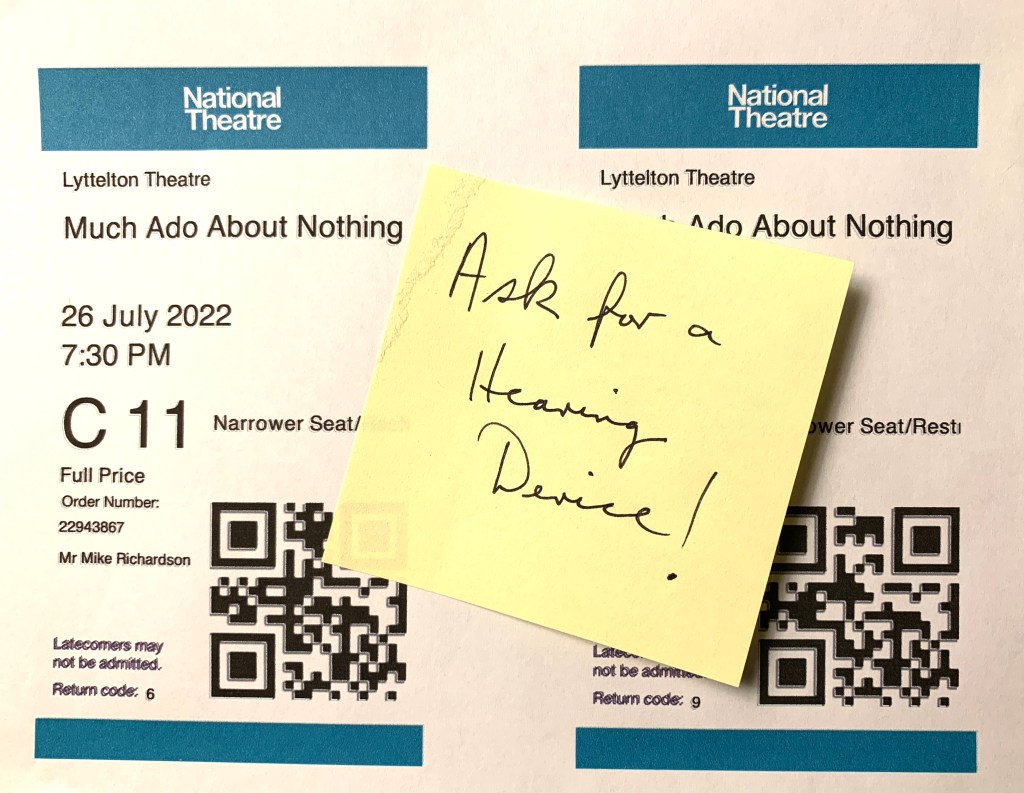
We can look for reasons in us or the theatre, but really it’s not the reasons that matter but the solution to the problem. And there is an obvious solution. I can use a theatre’s free hearing devices. Most theatres have them on request. The National’s gadgets I have found work like magic with distant actors talking right into my ear, better than normal conversation. And so I am adding a sticky note to my theatre tickets to remind me – ask for a hearing device. I may not need it, but if I do it’s there for me and I have no reason to complain afterwards.
If you have a similar problem, and I suspect many of you have, do what I do and then let’s enjoy our theatre visits even more.

|
06/07/22 Fredo writes –
Another Knock on the Door – A Q&A with the cast of A Doll’s House: Part Two
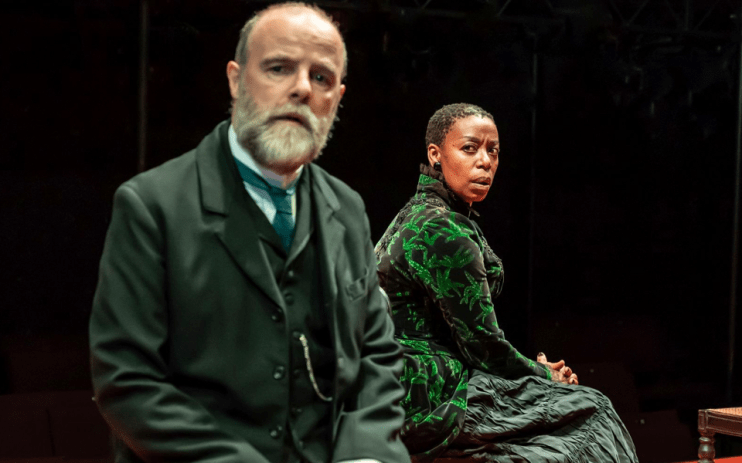
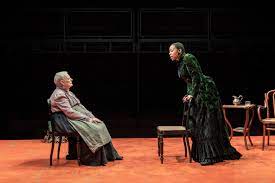
Our expectations were high when we went to the Donmar for the Director’s Forum performance of A Doll’s House – Part Two. We’d read and heard interesting things about this play (one of our friends had already seen it twice!) but we also knew that the Donmar has had a testing time recently; two members of the cast have had Covid, and performances had to be cancelled. And high hopes are sometimes disappointed..
This was not to be the case on this occasion. From the moment that Rae Smith’s set opened to reveal the arena where the battles of the play would be enacted, we were gripped. It’s a play of conflict and from the audience’s point of view, roller-coaster reversals of sympathy. Each scene is basically a duologue with the participants battling it out in the ring. My mind raced to keep up with the arguments of the play, and by the end we were exhausted and exhilarated.
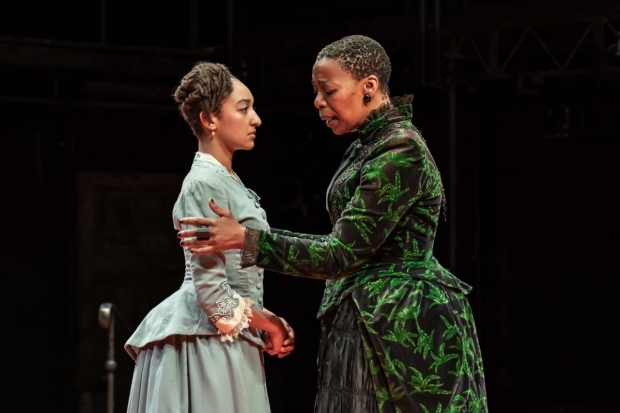
Not so the cast, who came back on stage looking as fresh as daisies (or some appropriate Norwegian wild flowers). Thomas Heogh asked them if it was necessary to bring baggage from Ibsen’s original play to understand this one. Noma Dumezweni, the incandescent Nora, disagreed: playwright Lucas Hnath knew what he was doing in using Ibsen’s play as a springboard to examine relationships between women and men, and to look at how much – or little – things had progressed. Yes, the cast had delved into the world of Ibsen, added the Ibsen lookalike Brian F O’Byrne. They had read A Doll’s House, they had had fascinating talks from people like Baroness Helena Kennedy on the development of divorce laws in Norway and Britain (Britain lags far behind), but at the end of the day, the actors were left with the script to work with and bring to startling life.
Nora’s point of view in the play is challenged by the other characters, and June Watson as the elderly nurse Anne Marie embodies more tradional values. We hear Nora’s arguments first, and watch as Anne Marie tries to absorb what she is hearing. There should be some way of preserving June’s scenes with Noma as a masterclass for future generations of actors. In June’s performance, Anne Marie’s initial passivity changes in shocking ways.
Patricia Allison, as Nora’s daughter Emmy presents other challenges. This is like a flashback to Nora before her marriage to Torvald, but with what Emmy believes is an enlightened, almost feminist, stance. This is a pivotal scene in the play, as it explains Nora’s ultimate decision. Once again director James MacDonald shapes it beautifully.
The language of the play is rich, with long speeches, delivered with such ease by all the cast that your attention never wanders – and then Lucas Hnath jolts us with an anachronism to remind us that this isn’t a play about 19th century Norway – it’s a play about universal themes with an urgency for today. No, you don’t need to have seen Ibsen’s play. this play stands alone as an argument, a drama, an immensely satisfying and provocative experience.
We can’t wait to see it again.
24/05/22 Fredo writes –
A Knock on the Door – Our introduction to A Doll’s House – Part Two
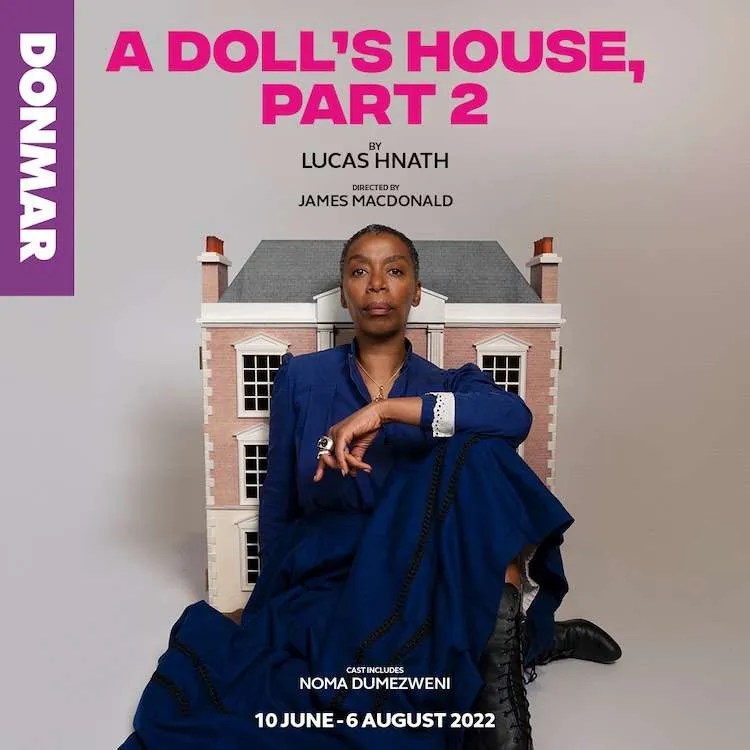

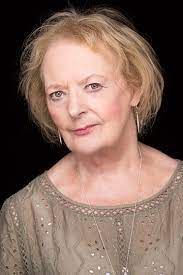
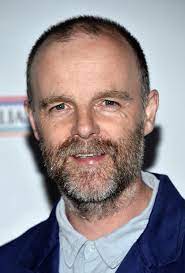
It isn’t every day that Mike and I are invited to the Royal Norwegian Embassy in Grosvenor Square, and we were excited to dress up in our Sunday best and enjoy an evening of Scandinavian hospitality. We were welcomed by the Cultural Attache, Lars-Erik, and soon found ourselves chatting to familiar friends from the Donmar Warehouse, among Friends of the Donmar.
The occasion was a meet-and-greet with the actors, director and designer of the Donmar’s upcoming production of A Doll’s House – Part 2. This was intriguing: the Donmar staged an excellent production of A Doll’s House by Henrik Ibsen, Norway’s internationally renowned dramatist, some years ago. In the meantime, we had visited Ibsen’s apartment in Oslo a few years back, where we learned that this play is one of the 10 most performed plays in the world, one which examines the position of a woman in marriage and society. The play ends shatteringly and controversially with the central character Nora leaving her home, husband and children, and slamming the door. Why would a playwright in this century want to measure himself against that world-renowned drama?
That was a question that Thomas Heogh asked the new play’s director, James Macdonald. James replied that Ibsen had addressed many issues in his play that remain alive today, and can be challenged and appraised from a 21st century perspective. The writer Lucas Hnath has a talent for debate, for arguing from different points of view, and this makes for tense confrontation. Ibsen ended his play with a door slamming; Hnath starts his 15 years later, with a knock on the same door, as Nora returns to settle scores with her husband Torvald, to meet the daughter that she left behind, and to make peace with the nanny who took over her maternal duties.
Thomas had started the conversation by asking Noma Dumezweni (Linda, The Undoing) to imagine that she was the first actress to play Nora in Ibsen’s play: how would she feel as she was about to go on stage for the first performance? Noma laughed, and said that she hadn’t thought of that, and confessed that she had never seen A Doll’s House, or even read it. But she did feel challenged by the new play’s relevance, and especially by starting rehearsals playing such an important character from the earlier play. One elderly gentleman in the audience asked her if he was going to be preached at about feminist issues. She tactfully and politely told him this was a play of discussion where every viewpoint was given a fair chance for those prepared to come and listen.
Veteran actor June Watson (66 years on stage! Mrs Lowry and Son) admitted that she too had never seen or read Ibsen’s play. However, she was pleased to be in Part 2, as she has some major scenes, while in the original her character had only a very few lines.
Brian F O’Byrne has briefly abandoned his award-winning Broadway career to return to the London stage for this production. He shared the enthusiasm that Noma, June and James showed for the play. The scenes between the previously controlling Torvald and the now liberated Nora promise to be electric.
And then for something really exciting: designer Rae Smith revealed how she will create the doll’s house on a reconfigured Donmar stage, so that the audience can peer into it from different angles, to have a different perspective on the play’s arguments.
This was a delightful and informative discussion, and there was a clear feeling of commitment and camaraderie among the cast and company. They were excited about the play, and it made me urgently want to see what Lucas Hnath had to add to Ibsen’s masterpiece.
We still have a small number of tickets available for our group visit on Monday 11 July. This one shoul;d be sensational. Don’t miss it!
(Mike adds: Our ‘tourist’ visit to Ibsen’s house and talk by the docent was mentioned by Fredo in a question to the cast, and afterwards we were able to chat with them and answer their own questions in return! Their enthusiasm for more information and friendly talk about bringing our Group to see their play, this was a connection we certainly appreciated as did they.)
10/05/22 Fredo writes –
THE LAST MIDNIGHT – Thoughts on the closure of Lloyd Webber’s CINDERELLA

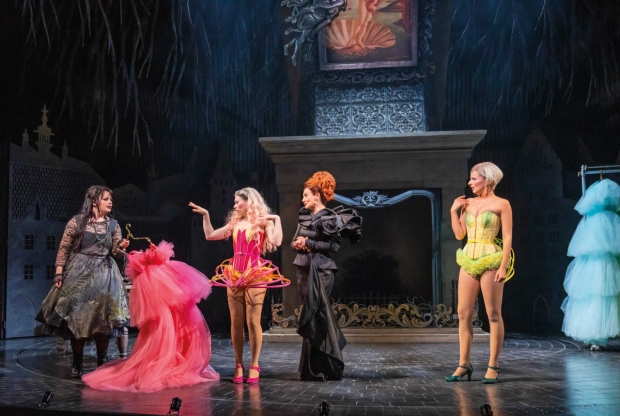
I can’t help feeling sorry for Andrew Lloyd Webber. He has worked harder than many other producers to revitalise the West End, and to lure audiences back to the theatre after lock-down. He has reopened his shows, and has spent a fortune refurbishing the Theatre Royal, Drury Lane to more than its former splendour.
Yet his luck has run out with his latest venture, Cinderella, at the Gillian Lynne Theatre. With diminishing audiences and escalating costs, the time came for – in the words of another fairy-tale musical – Boom, Crunch. The cast were called on stage after a Sunday matinee and given the news. No-one likes to be out of a job, especially now, and Sir Andrew has been the focus of opprobrium ever since. It’s worth taking a look at what went wrong.
Bad timing We were slowly emerging from lock-down when booking opened for Cinderella and possibly audiences weren’t confident about returning to the theatre. Sir Andrew spent big money on creating a safe environment, but people still worried about having to travel to the theatre. Then Coronavirus struck again, and there were closures and cancellations and all sorts of uncertainty. I’m sure money was flowing out to maintain the show, even while it was closed.
Bad marketing Any show called Cinderella is going to attract a family audience, but parents aren’t going to take their children out on a school night. Therefore, the theatre is going to depend on groups to fill the stalls. Unfortunately, the groups department at LW Theatres is impenetrable: you can’t phone to discuss dates, prices and options; you have to e-mail and wait for them to get back to you. That was my experience, and in the end, I booked with a more established and reliable agency, Delfont Mackintosh, where the staff are friendly and helpful. The Drury Lane Theatre is part of the LW Group, and it was the same – only worse – when I booked Frozen. On this occasion, I booked with Groupline, part of the Ambassadors Theatre Group. Even then there was a problem, as LWT didn’t release the tickets to ATG until 10 days before the performance. In case I hadn’t already concluded how unsatisfactory their service was, LWT supplied tickets that spanned aisles, which made it difficult to keep family groups together. To add insult to injury, the tickets were supplied as e-tickets, which meant that Mike had to print them in order to distribute to them. Yes, of course, I complained to both ATG and LWT. I had a very positive response from ATG, who assigned me a named assistant to help me with future bookings. And from LWT? Not a dickie-bird.
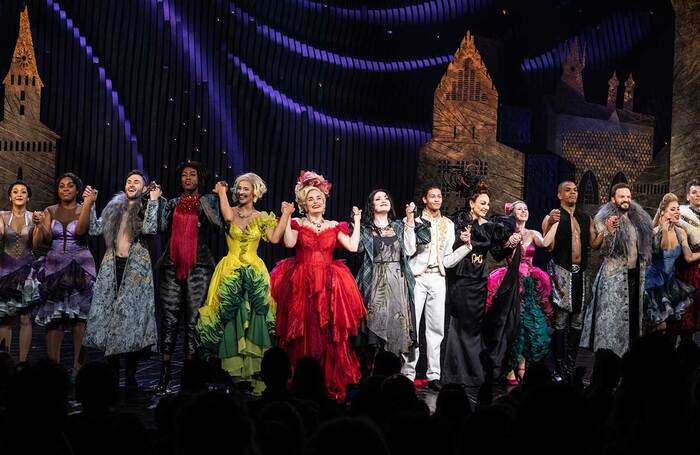
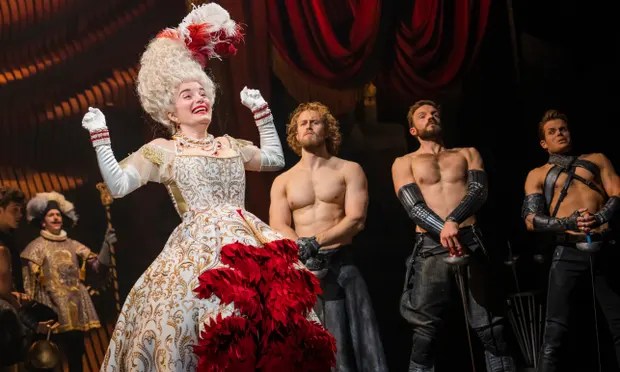
Bad Cinderella That’s one of the songs, and unfortunately, it sort of sums up the show; it just isn’t very good. Oh, it looks fabulous (you can see where the money went) but I was bored. The problem is that it doesn’t seem to know what audience it’s aiming at. There isn’t enough romance or magic, which surely is the least we expect from any version of this story. The feisty heroine is unconvincing and way off target to appeal to a younger audience. The twists in the plot are uncomfortably and self-consciously “adult”. There is innuendo in the dialogue, but it’s neither as outrageous nor as funny as the Palladium pantomime. It doesn’t please parents, and I can’t imagine it entertains children either. (Trigger Warnings state: Contains strong language. Contains scenes of a sexual nature. Despite the Queen’s tight laws in Belleville, please be advised that some swear words and adult themes are found in Cinderella.) It targets an audience somewhere between Matilda and SIX, and misses. And why see this travesty when real magic is happening further down Drury Lane, where the transformation scene in Frozen is greeted with cheers night after night.
Bad communication This is where, rightly or wrongly, I have most sympathy with Sir Andrew. He broke the news of the show’s closing to cast and crew after a performance. I’m sure in this age of social media, he had hardly got the words out of his mouth before it was tweeted and added to Facebook and WhatsApp groups. Understandably, performers who were about to take over certain roles were aggrieved – Summer Strallen has been forthright on this subject, and I can understand how she feels. Perhaps it could have been communicated better, but really, there’s never a good way to get bad news.
But let me tell you a story: I went with friends to see the first West End production of Joseph and the Amazing Technicolor Dreamcoat back in 1973. This was a fairly modest production at the Albery Theatre, and lasted about 40 minutes – it was preceded by an even shorter piece called Jacob’s Journey, since lost and forgotten. We enjoyed the show, and unusually for me, I went to see it again, with the same friends. Again, unusually for me, we went to The Angel and Crown in St Martin’s Lane after the show, and some of the cast members came in as well. In those days, the narrator was played by a man, and I spoke to Peter Reeves, the actor playing the role. I told him that I was sorry and surprised to read in the Evening Standard that the show was closing. “Is it?” he asked. “I didn’t know that.” I showed him the news in the paper, and that was the first the cast had heard of it. Bad news indeed.
Good luck The story doesn’t end there. Sir Andrew has announced that the show will be retooled and revised and will be presented on Broadway in February next. In the US pantomime is not a tradition as in the UK, so this new Cinderella may be more welcome. I wish him well. Perhaps there will be a happily ever after, after all.
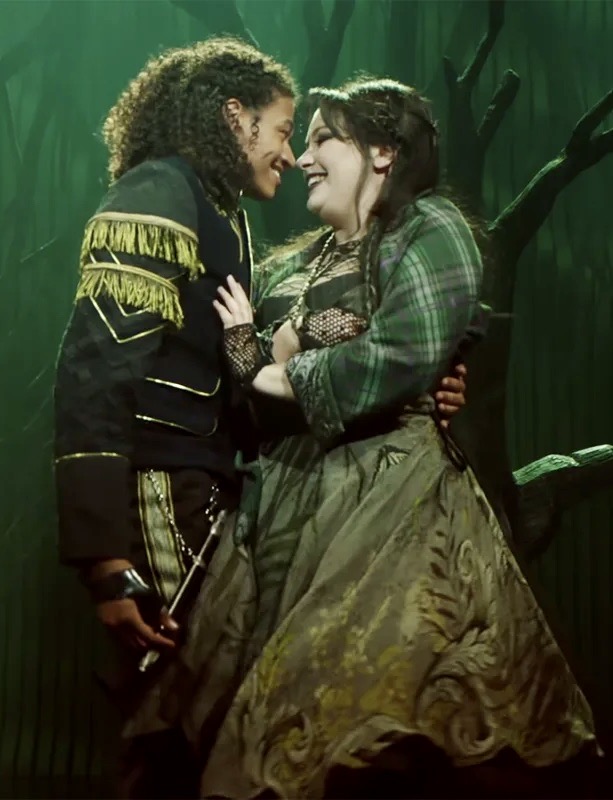
MARYS SEACOLE: Q&A at the Donmar – 07/05/22 Fredo writes –
A WOMAN WHO CARED
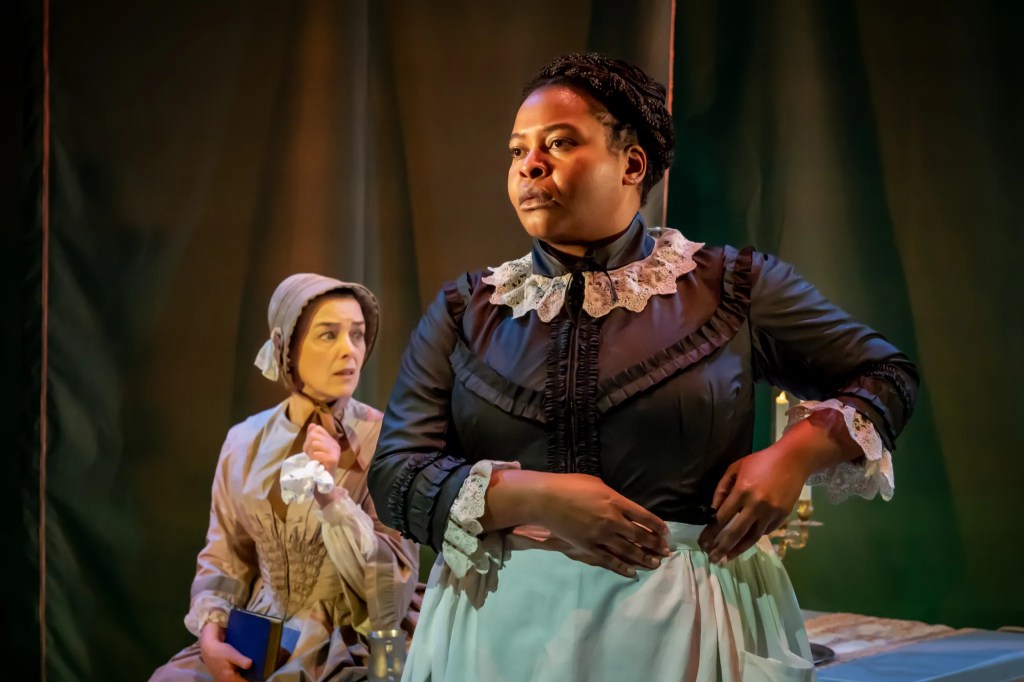
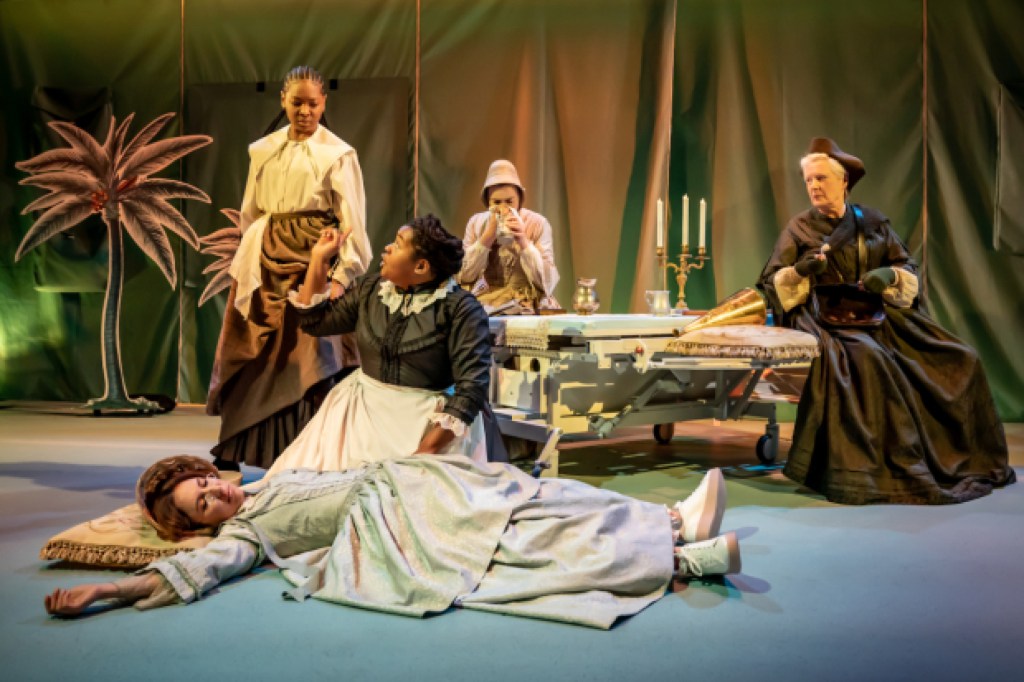
Why do some people become celebrated, and their names live on, while others fall out of history and are forgotten? Until recently, that was the fate of Mary Seacole, who led an eventful life, and whose work as a nurse in the Crimean War was eclipsed by another, more conventional, Victorian lady.
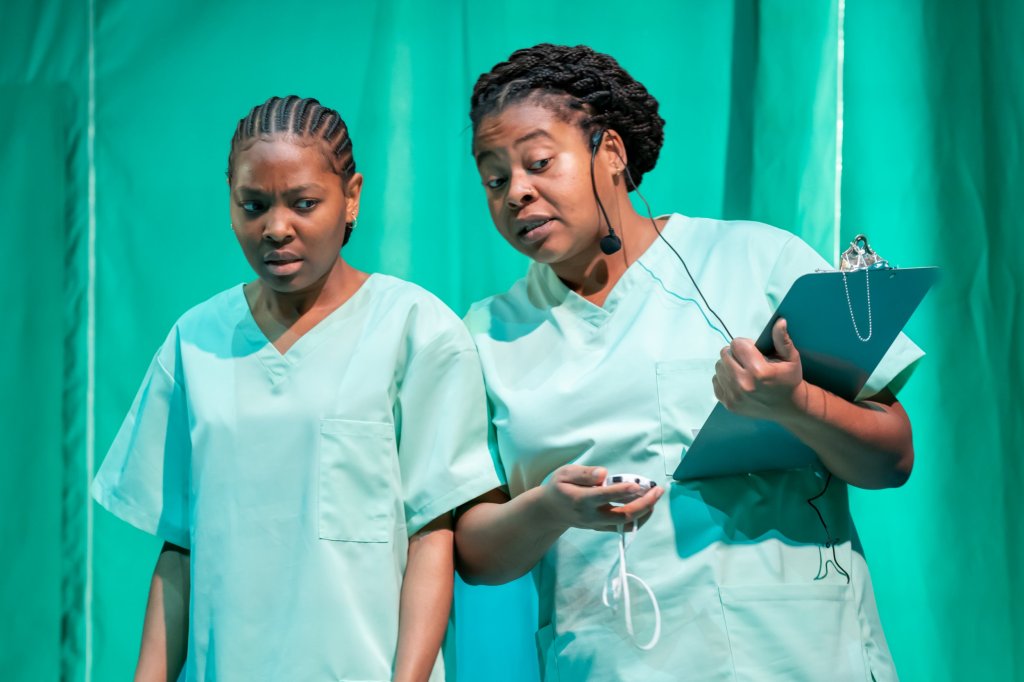
This year, the first major biography of Mary Seacole by Mary Rappaport has been published, but in 2019 the American dramatist Jackie Sibblies Drury wrote a play about her. Well, not just about Mary, but about women like her, carers, through the ages and how history has treated them.
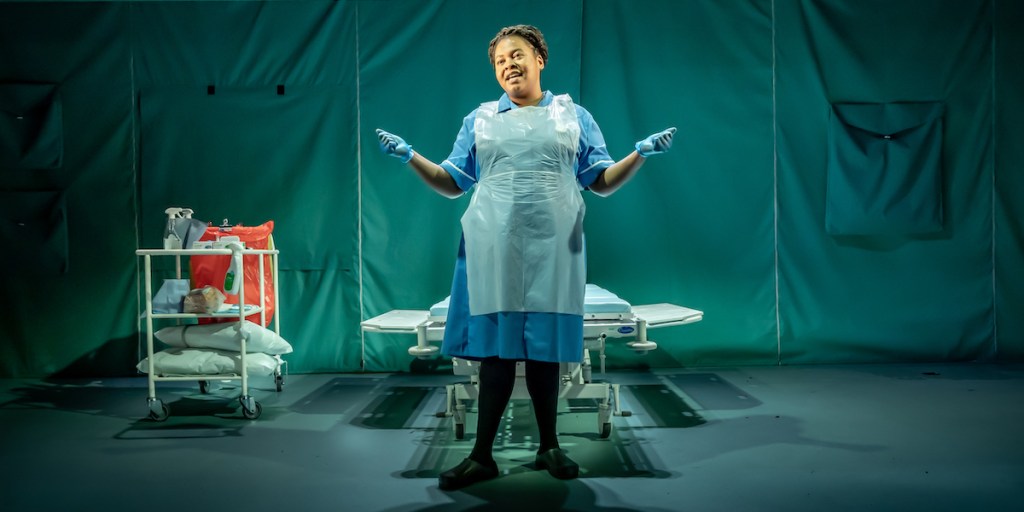
It isn’t a conventional play, and as there was some puzzlement at the end of the Director’s Forum performance at the Domar, we were anxious to hear what the six actresses had to say about their experience of working on this extraordinary play. The Head of New Work Clare Slater described it as a visceral play, and asked each of the cast what their first reactions were on reading the play.
Kayla Meikle, who plays the title role, admitted that she was so terrified she had tried to persuade the director Nadia Latif not to give her the role. But at the same time, she loved it, and that her initial terror has been replaced by the fear of not doing justice to the character (she needn’t worry). Veteran actress Susan Wooldridge was excited at the chance to show five glimpses of the lives of older women. She was initially confused by the structure of the play, but the rehearsal period clarified the trajectory of the play for her.
Esther Smith had an advantage, as she had played in an earlier play by this dramatist, the Pulitzer Prize-winning Fairview at the Young Vic, which also explored issues of racism. She was excited to have another script by this writer in her hands. Olivia Williams added that her husband, Rashan Stone, had also been in Fairview, and as that play had blown her mind, she too was excited to be involved in this project.
There were many challenges facing the actresses as they started their work on the play: the language, including making some patois accessible to white audiences; the changes between multiple characters; the physical demands of the movement, and the roller-coaster narrative ride that the play provides. Their commitment was impressive.
They were rewarded for their accomplishment in this complex work by praise from the audience. Kayla, however, was criticised for her Jamaican accent – though the critic was a member of her family! It was touching to see her being congratulated by them, as they gathered for a family photograph as we left the theatre.
HENRY V Q&A at the Donmar – 01/03/22 Fredo writes –

THE SPOILS OF WAR
The cheers had scarcely died down in the Donmar at the end of the final preview of Henry V than 11 members of the cast bounded back into the breach to answer questions from the Director of Development, Silvia Melchior. It had been a long, gruelling evening for them, and an exhilarating one for the audience.
How does it feel, asked Silvia, to perform a play about one country invading another in the light of current events in Europe? Kit Harington (Henry) said that the play they started to rehearse was a response to Britain’s role in Europe following Brexit, but suddenly it became more pertinent and emotional. He noted too that the response from audiences during the preview period had changed as well. The atmosphere on the night of the invasion of Ukraine had been very tense indeed.
Kate Duchene (Exeter) added that this evening, our audience had been very perky, and had given the humorous scenes more laughs. This hadn’t reduced the message of the play, which exposes war in all its brutality. It even, as Kit pointed out, encompassed fake news: how could the much vaunted reports of the English casualties at Agincourt ever have been taken for the truth?
In order to achieve authenticity in the army scenes, the Donmar had called in Tom Leigh, a former Royal Marines Commando, as Military Consultant. Tom had started each rehearsal with rigorous exercises which built stamina. It was, Olivier Huband (Dauphin) added, an excellent way to break the ice. Millicent Wong (Chorus) admitted that she now knows more about using an automatic rife than she should, as well as information about stabbing in the neck. However, Kate voiced a more sobering point: of the 30 men in Tom’s troop, 15 had died in combat in Afghanistan, and a further had committed suicide after the conflict ended. Jude Akuwudike (King of France) commented that the army had turned these men into killing machines, and they couldn’t find a place in society afterwards.
Is this Henry a hero or not? Few of the cast were familiar with Laurence Olivier’s patriotic account, or with Kenneth Branagh’s flag-waving version., which Olivier Huband said had coloured his view of the King – until he came to rehearse the play. . Everything in Director Max Webster’s production is supported by the text: the treatment of the prisoners of war at Harfleur, the punishment of the conspirators, the hanging and even the usually comic “leek” scene shows a merciless attitude at work in the play. Anoushka Lucas (Katherine) felts that Henry’s final wooing scene travels from rom-com to troubling coercion quickly, symbolising his relationship with France.
One of the first shocks of this production is that the Chorus is played by Millicent Wong, a young woman from Singapore. She speaks the scene-setting monologues perfectly, but in a less bombastic style than we are used to. This is effective – she’s one of us.
Another surprise is that the scenes at the French court are played in French, with Shakespeare in subtitles. This commands our attention, and makes us aware that Henry is invading a different culture and society.
And finally, as well some effective cross gender casting, the use of music in the play is remarkable. Four opera singers (who had never taken part in this type of production before) punctuate the action and add to the lustre of the evening.
It’s a triumph for Donmar Associate Director Max Webster, following his success with Life of Pi. It’s V for Victory, in dramatic terms.
FORCE MAJEURE Q&A at the Donmar – 13/01/22 Fredo writes –
THE FORCE OF NATURE
Spoiler Alert for anyone coming to see Force Majeure at the Donmar: this production contains ski-ing, and a lot of snow!


“Are any of you expert skiers?” Clare Slater, Head of New Work at the Donmar, asked four members of the cast when they joined her on stage after the Director’s Forum performance. Lyndsey Marshal, Raffaello Degruttola and Arthur Wilson all sheepishly owned up to having done a little (and what sensible person goes ski-ing anyway?) Sule Rimi said he’d had no experience, but when rehearsals started, director Michael Longhurst claimed that Sule had told him he knew how to ski. Sule had no recollection of that conversation!
However, the slope that now occupies the Donmar stage had also been in the rehearsal room, and the actors had spent time learning how to manoeuvre on it – “But it’s not the same as snow,” grumbled Arthur, “and there’s an awkward turn at the bottom.”
Clearly the slope, and the snow in performance, took getting used to. Unfortunately, after the first two previews, performances had to be cancelled, as one of the cast tested positive for Covid. For the first time, the Donmar has now engaged a male and female understudy, so that the show can go on.
When preview performances resumed, Michael Longhusrt decided to make some changes. The play has been adapted by Tim Price from a film directed by Ruben Ostlund, and the early scenes are quite short, as in the film. Michael decided that following the key scene in Act One, the audience needed a longer scene to get into the drama. The actors reported of arriving at the theatre and being given new sheets of dialogue and cues. At one performance, Lyndsey admitted that she and Rory Kinnear found themselves briefly saying each other’s lines, and looked at each other in terror as they tried to get back on track.
The other thing that took the cast by surprise was the audiences’ reactions. They hadn’t realised that the play was so funny, and they wondered why the audience was laughing. Clare had realised that Tim would give the story a comic spin and, to my eyes, there were certainly many scenes that were directed to amuse. It seems as well that some audiences become more involved in the drama and tension of the play than in the humour, and Lyndsey thought that the performances of the children – there are three sets, to cover all performances – affected the way that she and Rory play it. They sometimes have to remind themselves that they are a different family from the previous performance.
The film had been shot very rapidly, with a lot of improvisation. The Donmar’s cast had the luxury of a longer than usual rehearsal period, and the chance to analyse the dynamics within the family, especially between Tomas (Rory) and Ebba (Lyndsey). We had a discussion about their relationship, but I won’t reveal more, as the actors play it so vividly. Find this out for yourself, and the production surprises, when you join our Group visit on 28 January.
I’m not usually a fan of movies being adapted as plays – but as Lyndsey said, why not? There’s more than one way of playing Hamlet – I felt this worked, and I enjoyed it very much. But i won’t be heading for the ski slopes any time soon!



11/01/22 Fredo writes – A report on the year that was
Anything comes….and goes!
“Times have changed,
And we’ve often rewound the clock..”
It was a year like no other, though slightly better than the one that had gone before. For most of 2021, theatres remained closed, then reopened, then closed again, and as I write, the gloom of cancelled performances has descended on casts and crews throughout the country once more.
In a normal year (remember those?) Mike and I were able to offer you 50+ opportunities to go to the theatre and experience the astonishing talent so easily available to us. Yes, there was the occasional misfire, as several patrons rejoice in reminding me; most often it was apparent that we were living in a golden age of theatrical wonder.
In 2021 we were only able to offer a total of 9 shows, spread over 10 visits to the West End. We started with a small party at a concert by the Gay Men’s Chorus, which was a valiant effort under difficult rehearsal conditions. The RSC faltered in their production of The Mirror and the Light, where the weight of history was given an over-hasty summary. And I look forward to further developments from Alex Parker’s Luminaire Orchestra, which we enjoyed, despite a few hiccups in presentation. Perhaps for his next outing, I’ll offer Alex my services as advisor and compere!
We finally got to go to the ball with Cinderella, which was beset by problems of frequent cancellations. It’s an extravaganza, and while its new spin on the traditional story wasn’t to everyone’s taste, you couldn’t argue with the spectacle. We had one of those strange experiences with this show: on our first visit, opinion on the coach was very divided, while on the second trip, everyone loved it! This isn’t the first time I’ve experienced this phenomenon. How does this happen? We’ll never know.
We waited a long time to deliver our first visit to Pretty Woman. In fact, I lost count of the number of times this show was postponed and re-scheduled (and we have two further visits to look forward to in March). I have to admit that my expectations were low, as they often are with movies adapted as musicals. However, I was delighted to be proved wrong, for after an uncertain start, the show took off into a slick production with much to enjoy.
The Drifters Girl was another hold-over (again, another two visits in the Spring) and this was a remarkable triumph both as a production and for the formidably talented cast. It told an interesting story well, and the cast sang a playlist of incredible songs. It joins the pantheon that includes Jersey Boys and Tina. Fortunately, we weren’t there the night that they had to stop the show to eject a couple of very well refreshed revellers, who were soundly rebuked by star Beverley Knight for spoiling the show for the rest of the appreciative audience.
How do ballet dancers maintain their strength and prowess during a lockdown? There was no sign of any loss of power in their presentation of a new work from the ROH, The Dante Project, as the dancers demonstrated that their ability and elegance were undiminished.
I’ve saved my personal highlights till last. Paula Vogel may well have written her play Indecent with me in mind. It had everything: an absorbing story, a theatrical setting with a theatrical presentation that matched it, and heart-stopping performances from the entire cast. The tiny Menier Chocolate Factory always punches above its weight; I’m looking forward to Habeas Corpus there this year.
And what about Anything Goes? Wasn’t this the booster shot in the arm we all needed to kick-start our falling in love with live entertainment all over again? Broadway import Sutton Foster had to be seen to be believed, as she led the cast in the title number – if the show had stopped there, I’d have felt I’d had my money’s worth. Robert Lindsay, Gary Wilmot and Felicity Kendal were all terrific, but it was Sutton Foster who brought the audience to their feet. This show was subsequently streamed to cinemas and broadcast on tv. It returns to the stage again this year – the best place to enjoy it – due to public demand.
Meanwhile, Mike managed to clock up another incredible 41 performances OnHisOwn; I joined him for 38 of those. You can read all about them on the OnOurOwn page. Under normal circumstances, we’d have offered more of these to you – have a look to see what you missed.
As the late and much-lamented Stephen Sondheim asked:
What will tomorrow bring?
The pundits query:
Will it be cheery?
Will it be sad?
Will it be birds in spring
Or hara-kiri?
Don’t worry, dearie,
Don’t worry, lad.
Although we already have 14 shows booked for 2022, I have my finger on the Pause button as regards making further arrangements for the Group, at least until the current rate of infection abates and our patrons are more prepared to commit themselves to returning to the theatre. “How will you know when that is, Fredo?” a friend asked. Well, perhaps the readers of this report can advise me on that! Suggestions, please.
We are certainly booking shows which interest us, just for ourselves. I feel that the actors and directors and designers and technical crews deserve as well as need our support. It’s been heartbreaking to witness darkened theatres, but as thrilling as always to be part of a live audience. A theatre person was quoted this week as saying it may take five years for theatre to recover and return to the ‘old normal’ again. We are not prepared to wait and are enjoying the ‘new normal’ whenever we can.
Our thanks to Cook’s Coaches for their continued good service, and to Compass travel for their support as well. To all the box-office staff who have helped us make our bookings over the years, I miss you! On-line booking and e-tickets just aren’t as good.
As always, but this year more than ever, Mike and I are grateful to those of you who joined us loyally on our 10 visits – we had no mask-debaters or vax-deniers to deal with, and I hope that everyone felt perfectly safe in our company. We look forward to seeing you again throughout 2022.
As Cole Porter said: You’re the Top!
Previous articles continued on next page
 theatreguys