
24/11/23 John Carr writes –
ADVENTURES IN THEATRE-GOING
The 3rd of June 2017 was an exciting day: our first trip with Fredo and Mike. We had been recommended by friends who knew that we were big ballet fans and we were to see a ballet triple. The Dream, Elite Syncopations and Marguerite + Armand, at the Royal Opera House. Wonderful.
Last week was our 95th visit with the group: 23 ballets, 1 classical concert and a selection box of classical dramas, musicals, light comedy and a variety of other shows. The truth is that, without the group, we may not have seen any of the shows!

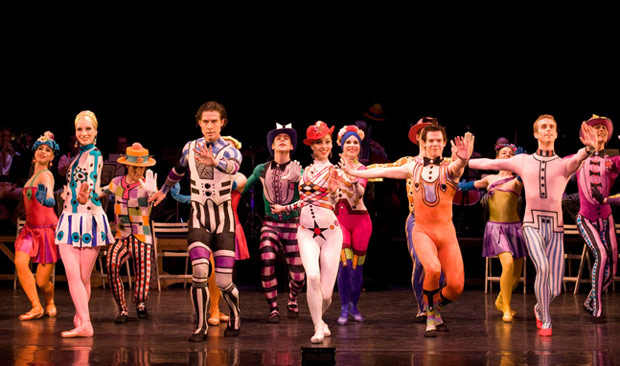

We seldom went to theatres in London due to the cost and the travel problems so we did not really keep up with what was on offer. The last time we’d gone on our own to a ballet it involved a taxi to the station, 2 single train tickets to Leicester Square, a night in a cheap hotel plus dinner then transport home again, and it blew several months budgets in one go!
It is hard to keep up with offerings at the London Theatres. A number of higher profile shows are advertised on radio or the cast is interviewed on The One Show and we may go to see them on our own. This would be a special treat and not a regular thing. Also booking tickets is not always easy – the production of Macbeth with David Tennant sold out in a few hours. Otherwise, to find and choose a show means quite a lot of research and by the time reviews appear, seat availablity drops.
Fredo and Mike do all of the hard work for us by choosing things that the group may like to see, based on their own experience and offering us recommendations.
Judith and I keep a record of shows seen with the group and we discussed at length memorable moments. We first came up with some trivial disasters such as the health and safety girl who interrupted Stephen Mangan in Private Lives, to sweep up broken glass. A comic playwrights dream?
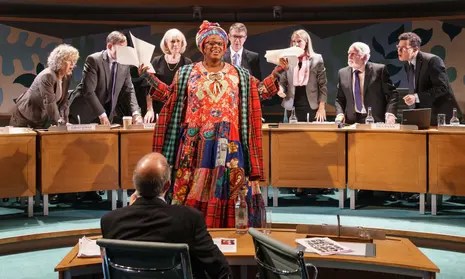
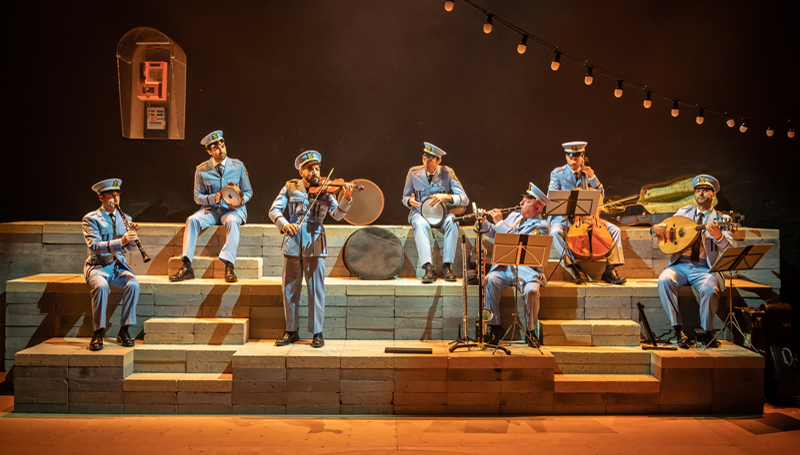

Our first visit to the Donmar was quite a revelation to us as we had not been to small London theatres before and, yes there are 7 ways to go wrong at Seven Dials (we found 5). We saw the musical Committee, about Kids Company. Very different and certainly not one we would have chosen but an excellent production and the Donmar is now a firm favourite. Also at the Donmar The Band’s Visit. An Egyptian Police Orchestra taking the wrong bus in Israel looked such an unlikely subject that we would probably have quickly dismissed it on our own but it turned out to be a terrific play with live music.
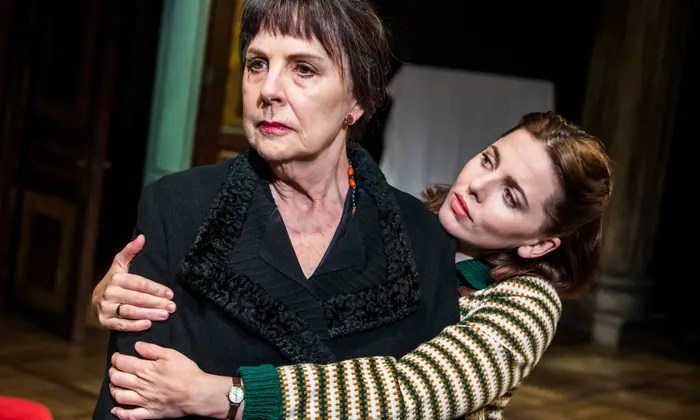
Fiddler on the Roof at the Menier is one that we would probably not have gone to see on our own but it brings back wonderful memories. The stage set as a village with the audience included and the cast going about daily village tasks as we came in, smoke from chimneys and the feeling of being part of the production all of the way through. The Bay at Nice also at the Menier, was certainly not a choice we would have made, even with Penelope Wilton in the cast but an excellent play, based around a Matisse painting and it’s provenance. Very scary, sitting in the first row, keeping feet tucked in so as not to trip Penelope up as she moved about – and praying we would not cough!
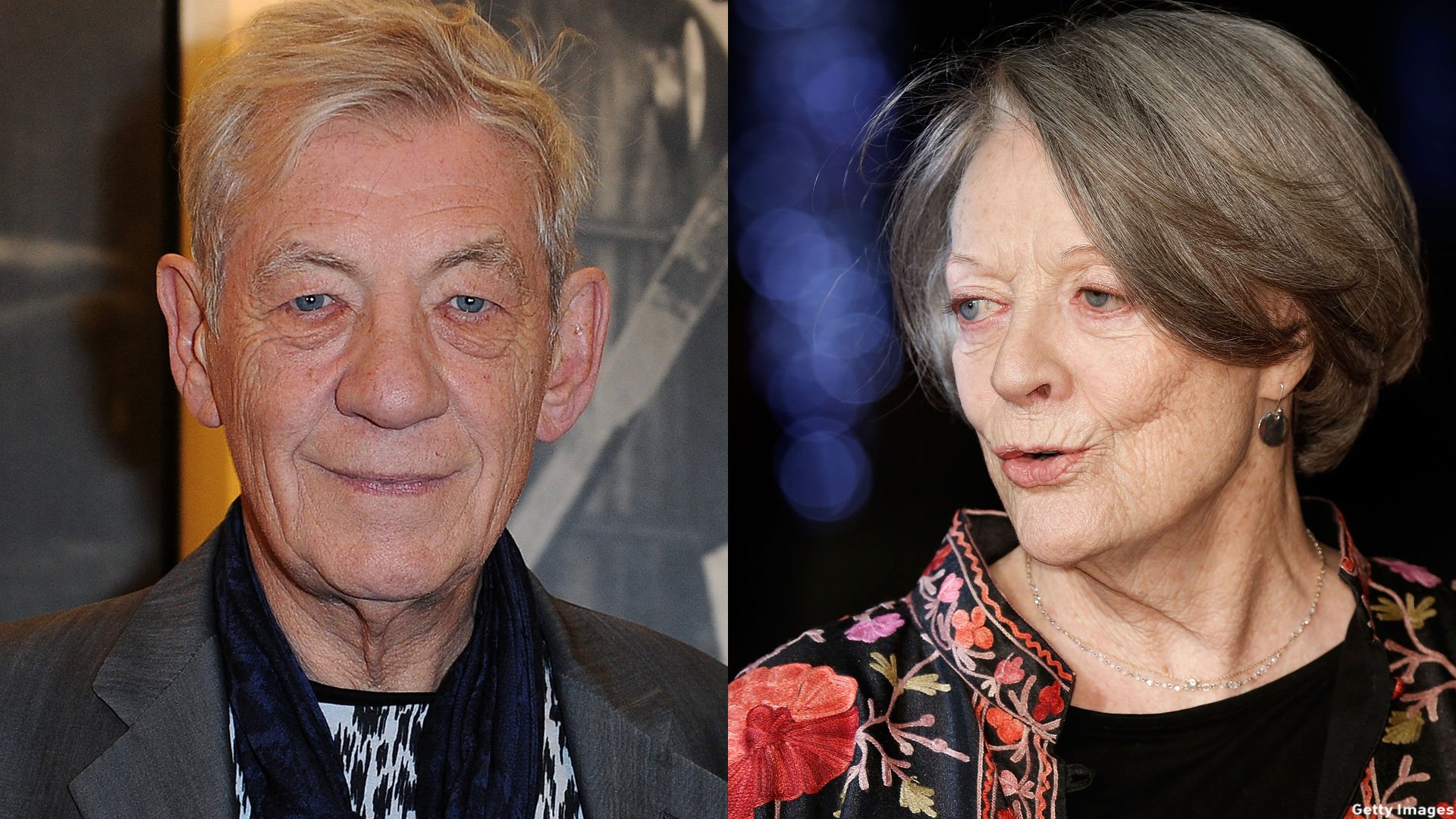
A few shows that spring to mind when asked about special evenings are those with high profile actors such as Sir Ian McKellen and Dame Maggie Smith in solo performances. The thought process would probably have been ‘is it worth all that effort for 1 person?’ The answer of course should be “YES!”.
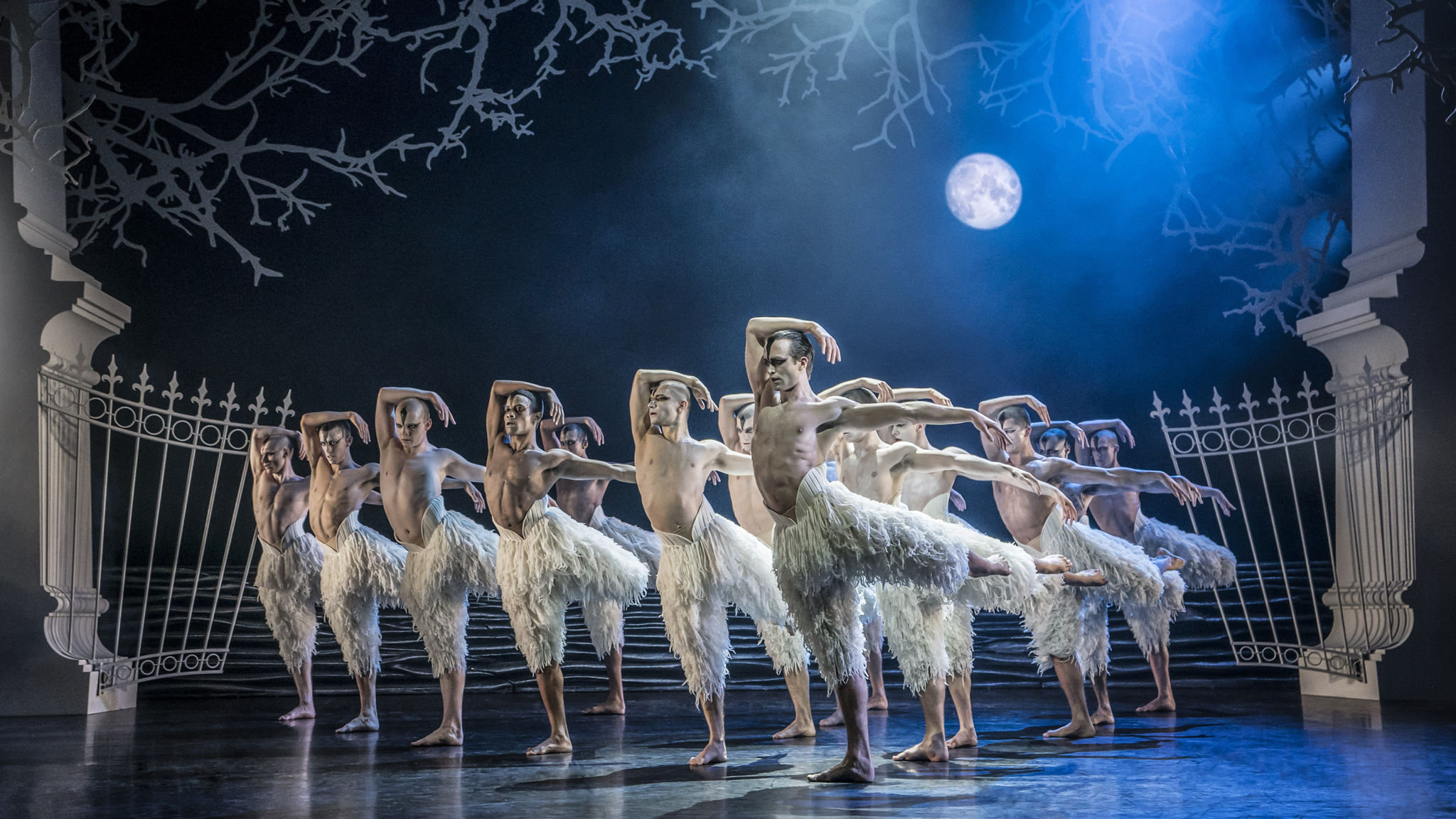
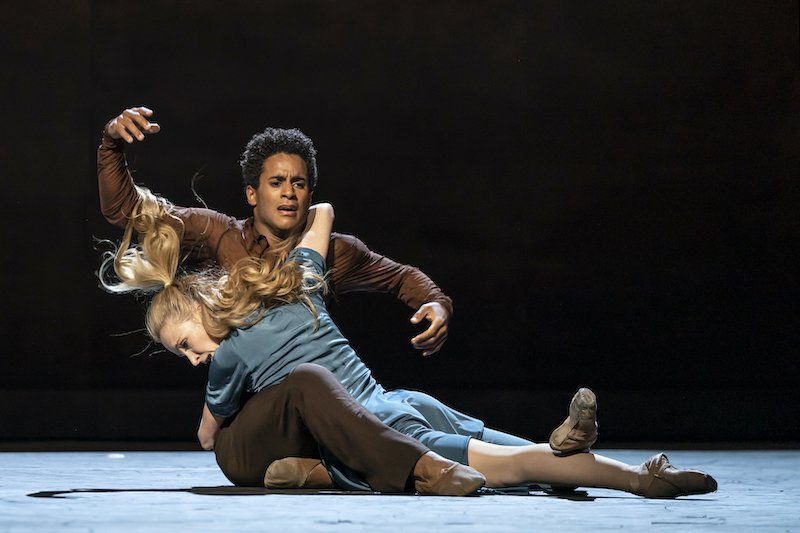
Our ballet visits have been such a treat. To be able to have seats in the front row at Sadlers Wells for Matthew Bourne’s Swan Lake where we could see right into the orchestra pit and trying to watch the dancing and musicians at the same time. A visit to the ROH is always an occasion and the triple bills have been our favourites, such as The Cellist where the tragedy of Jaqueline du Pre was set out in dance and the Elgar cello concerto played by the ROH orchestra.
Laughter has never been far away with our visits and, along with the rest of the coach party, at Michael Frayne’s Noises Off where Felicity Kendal gave a storming performance as the unlikely, but appropriately named Dotty Otley.
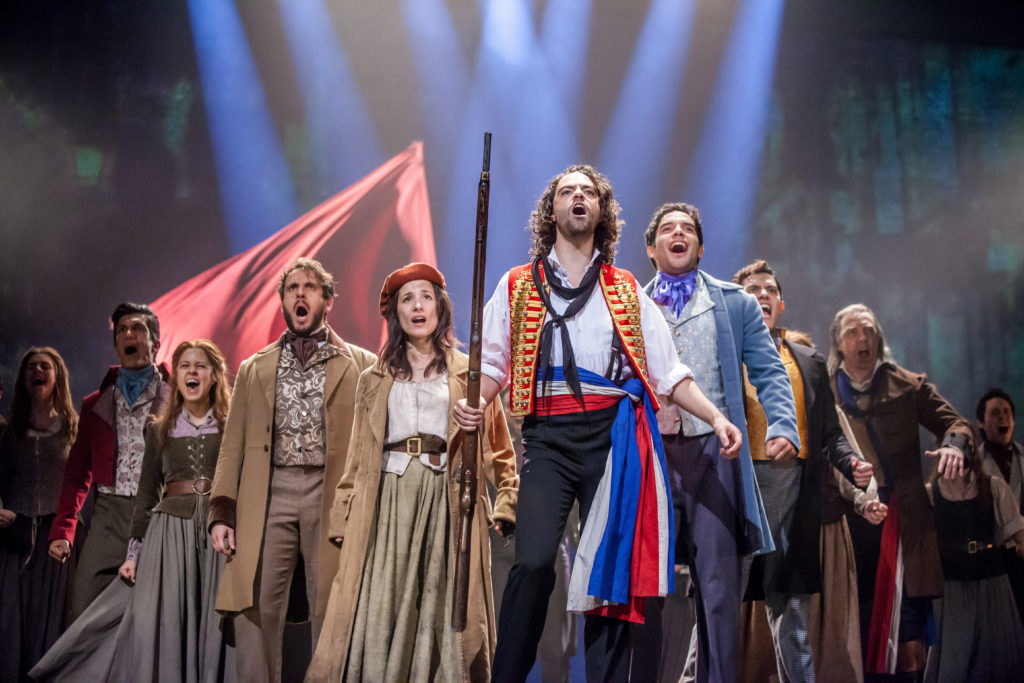
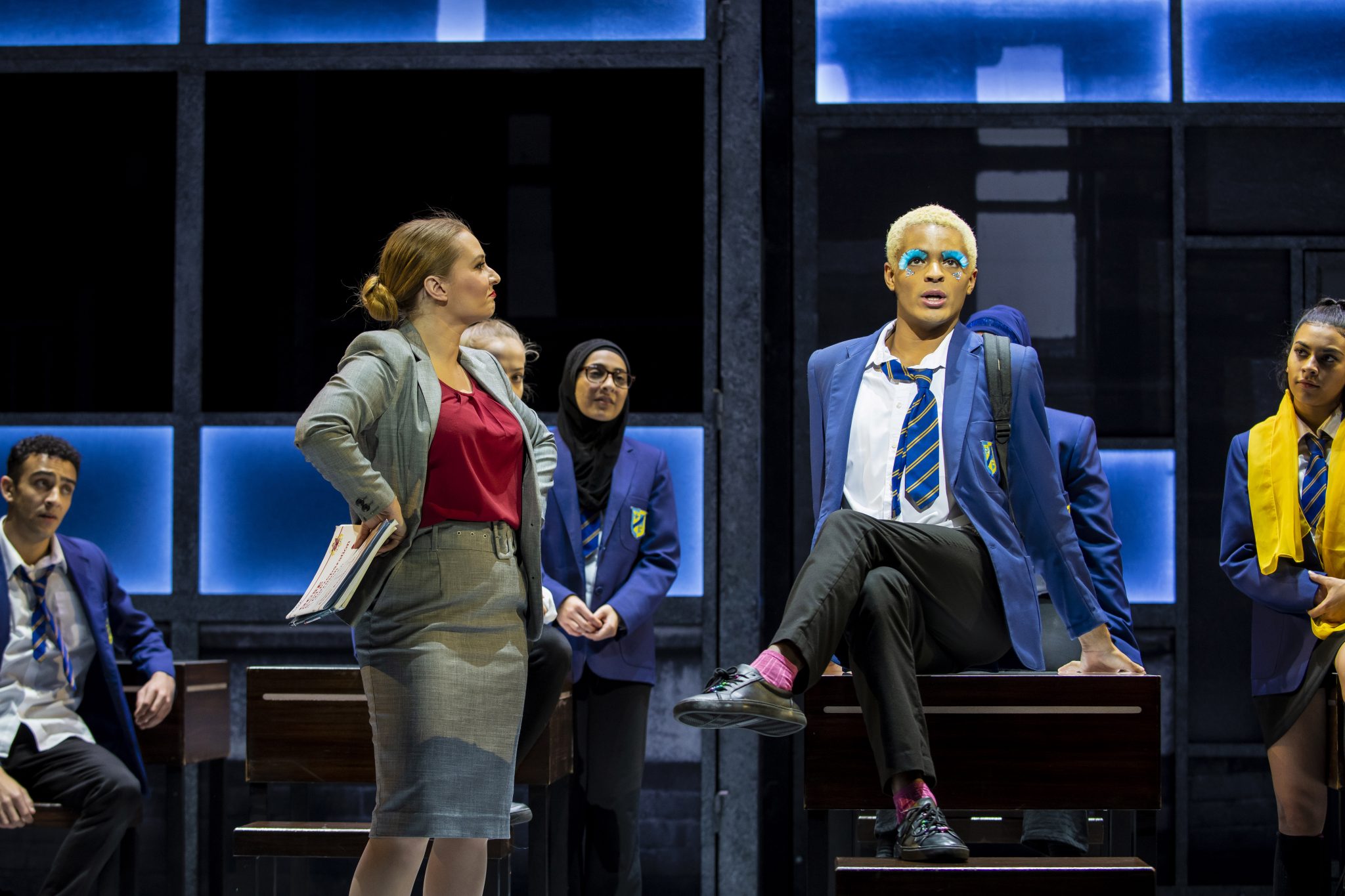
Then there were the spectacular Les Miserables, Frank and Percy with minimal set but brilliant performances from Ian McKellen and Roger Allam, Everybody’s Talking about Jamie with Layton Williams before Strictly made him a household name, The Price with David Suchet and so many more. It always starts with a spot the celebrity in the audience. Others have done better but we managed Matt Lucas and Charles Dance.


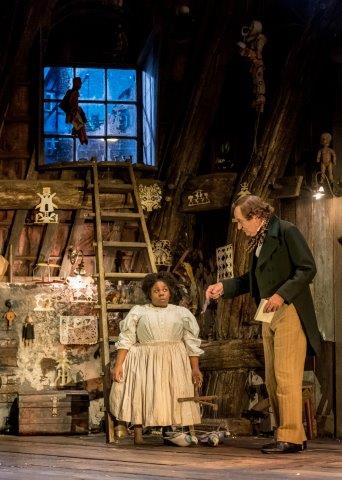
With so many good shows seen it is hard to know where to stop so, in the interests of balance, we should really also include less successful visits. There are very few and we completely exonerate Fredo and Mike from all responsibility. A Very, Very, Very Dark Matter at the Bridge Theatre was based around the assumption that Hans Christian Andersen’s stories were written by a 1 legged Pygmy dwarf who he kept locked in a cage in his attic. It became more bizarre as he visited Charles Dickens who had the sister of Anderson’s Pygmy writing his stories. We rather lost it after that! The critics said the play would divide opinion! Some others were maybe a bit weak but we were still glad to have gone as the actors made up for any writing deficiencies.
We have learned a valuable lesson. When something is offered that, at first, does not seem very appealing, it is always worth a second look. After all, you could be sitting within a few feet of say Anne-Marie Duff or David Tennant.
07/11/23 Fredo writes –
Back in the kitchen at Clyde’s:
A Q&A with the cast at the Donmar

I’ve been recommending this play to all my friends since we saw it with our group. The Director’s Forum performance confirmed my opinion that this is a gem of a play, given power by the redemptive quality it explores in simple acts of kindness and support that people give to each other.
Craig Gilbert, the Literary Manager at the Donmar, introduced the entire cast, who had just elicited cheers from the audience, and asked them what had been their fist impressions when they read the play.
Sebastian Orozco said that it had felt like a poem, and Gbemisola Ikumelo, who played the terrifying Clyde, said it had moved her to tears. She had read Lynn Nottage’s earlier play Sweat and Clyde’s back to back, and was relieved that there was some hope sprinkled into this one. Her worry, which she confided to the writer, was how to inject some humanity into this monster. Patrick Gibson, returning to the role he had played in Sweat, thought it was overwhelming, and loved it. Ronke Adekoluejo told us she went Wow! This is wordy! And each character is alive with desires, hopes and ambitions. Giles Terera was pleased that it was set in a kitchen, as it was a definite environment for the action; on the page, he felt there was a mystery to the play that didn’t immediately reveal itself.
Patrick commented that the tone of the play was much lighter than Sweat; Lynn had wanted to honour the people of Reading, Pennsylvania, where both plays are set, and to show their humour and resilience. She had spent a lot of time in this depressed area researching her plays, and at the end of the earlier play the character of Jason was nowhere near redemption. In Clyde’s, the characters draw strength from each other.

Director Lynette Lynton had encouraged her cast to ask lots of questions, and to research the American criminal justice system. She also got them to draw detailed timelines for their characters, so they would know how their experiences had affected them at this stage of their lives. Ronke pointed out that despite the initial barriers they put up to each other, these people have a great capacity to love.
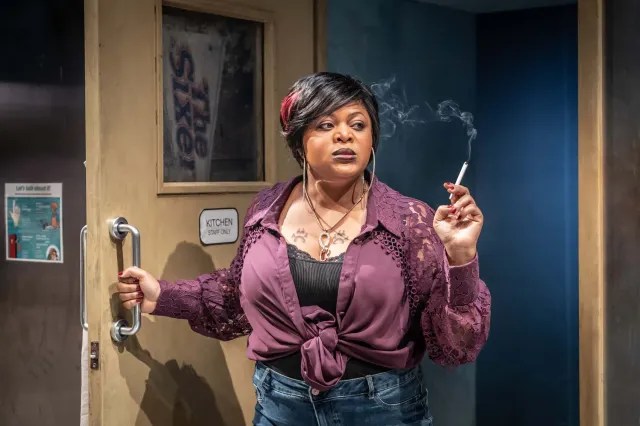
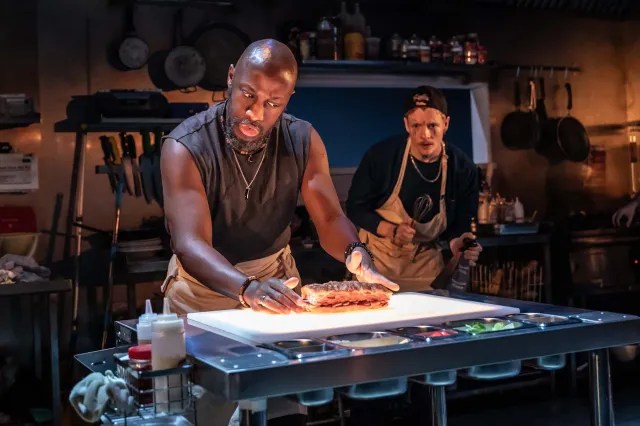
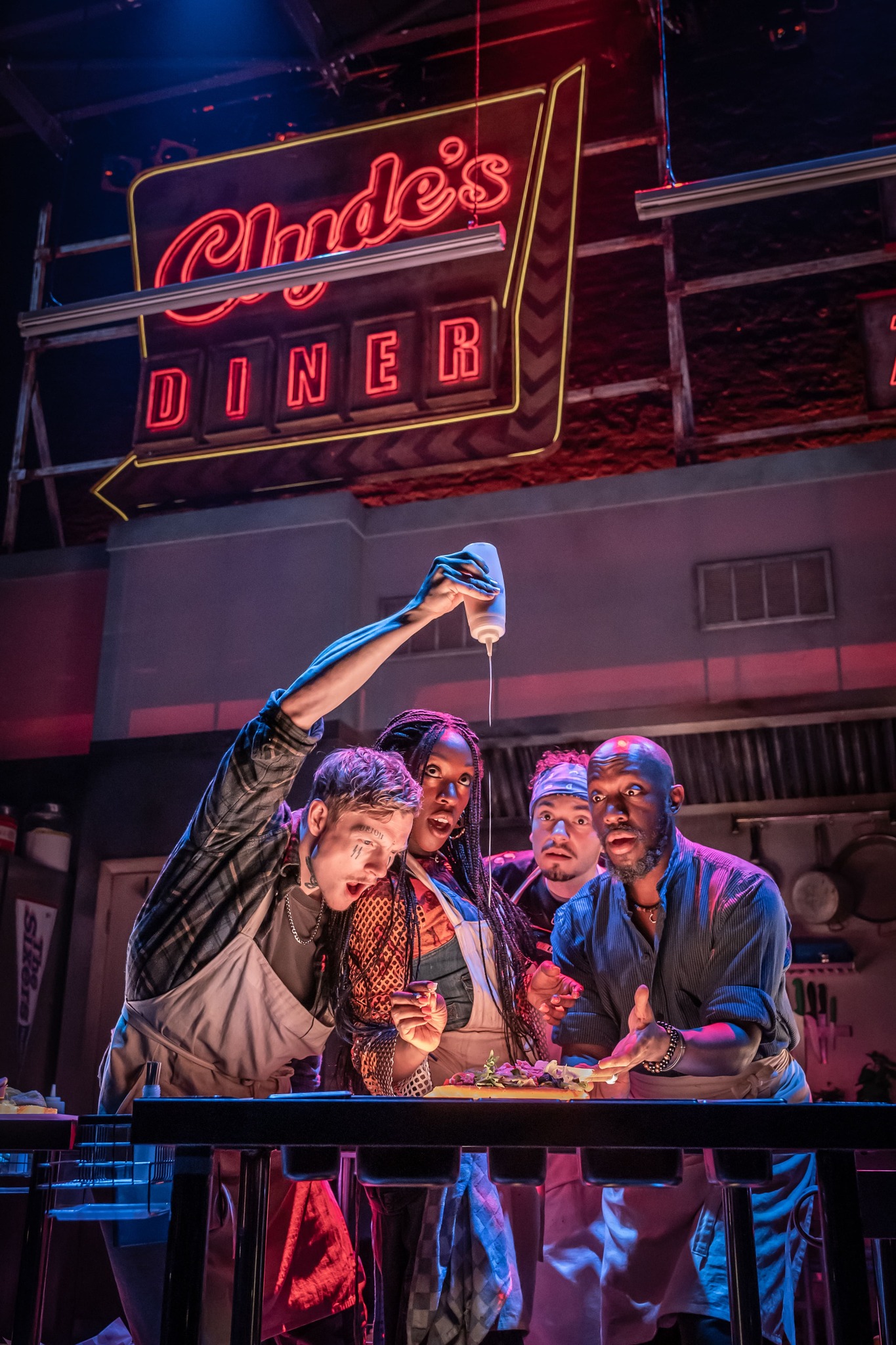
When a play like this engages our affections for its characters, we always want to know how their individual stories develop. What happens after the play ends? Giles told us, firmly, “The audience goes home.” Each member of the audience probably has a different idea of how the play has resolved the predicaments of each character. Gbemisola agreed: they wouldn’t want to interfere with our imagination.


Photos: Marc Brenner
Footnote: Our friend Margaret went to see the play, grabbing the last available ticket for a Saturday matinee. By chance, she was sitting next to Ronke’s mother, who was bursting with pride at her daughter’s vivid portrayal of Tish. What a lovely bonus to Margaret’s afternoon.
18/10/23 Fredo writes –
Something wicked this way comes:
An introduction to the Donmar’s upcoming MACBETH
Full cast just announced for Macbeth:
11.00am, 31 October
Moyo Akandé (The Special Relationship, Soho Theatre, Interference, National Theatre of Scotland), Annie Grace (Hello in There, Oran Mor, The Winter’s Tale, Royal Lyceum), Brian James O’Sullivan (An Edinburgh Christmas Carol, The Arabian Nights, The Winter’s Tale, Royal Lyceum Theatre), Casper Knopf (Silent Witness, Rough Diamonds), Cal MacAninch (Holby Blue, Vigil; Judas Kiss, West End/New York), Kathleen MacInnes (Gaelic Singer of the Year 2006), Alasdair Macrae (The Cheviot, The Stag and the Black, Black Oil, National Theatre of Scotland, Gastronauts, Royal Court), Rona Morison (Evening Standard Theatre Award nomination for Emerging Talent for The Prime of Miss Jean Brodie, Donmar Warehouse, Absentia),Noof Ousellam (Baghdaddy, Royal Court, Leopoldstadt, West End), Raffi Phillips (Winnie the Pooh, UK tour, An Inspector Calls, National Theatre), Jatinder Singh Randhawa (Moorcroft, Tron Theatre, Peter Gynt, National Theatre), Ros Watt (Dracula: Mina’s Reckoning, National Theatre of Scotland, Wait Til the End, The Pappy Show) and Benny Young(Be Near Me, Donmar and National Theatre of Scotland, Good Omens).

The Donmar’s forthcoming production of Macbeth sold out in 20 minutes when public booking opened in June. It’s hugely anticipated, with David Tennant and Cush Jumbo in the leading roles, directed by Max Webster, who had a great success at the Donmar with Henry V. We were eager to find out more when we attended the promotional evening on 9 October. This was held in the suitably Jacobean setting of the Old Hall at the Old Buildings in Lincoln’s Inn Fields. Entering this serene haven felt like stepping back to a more elegant and gracious time (though it turned out to be difficult to find our way out to Chancery Lane at the end of the evening).

There was also a minor inconvenience in that the high-backed chairs obscured the panel sitting behind the table. “Can everyone see us?” asked the forthright Cush Jumbo. “No? Let’s sit on the table.”
“We can’t,” said David Tennant. “It’s a thousand years old.”
“Then we can perch. Or better yet, we’ll stand,” insisted Cush
– and I’ll be eternally grateful. It’s perhaps an indication of who’s going to be in charge in this Macbeth household.
Craig Gilbert, the Donmar’s Literary Manager, asked Max why he wanted to direct this play now. Max joked that it was because David and Cush were available, but added that the play was a mystery to him. However, he had worked on Henry V with a former soldier who had done 10 tours of duty in Afghanistan and who told him about he and his comrades having the same hallucinations and hearing the same voices when they were suffering from post-traumatic stress disorder. On a personal level, after he and his wife had had some difficulties conceiving, they now have triplets, and this has given Max some insight into what Lady Macbeth might be experiencing. He had the idea that what was regarded as witchcraft may well be blended with issues of mental health, and he wanted to explore the play from inside the heads of the Macbeths.
“I’m glad I found that out now!” interjected David.
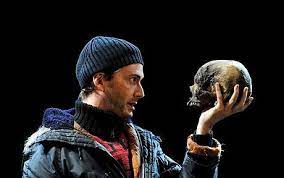
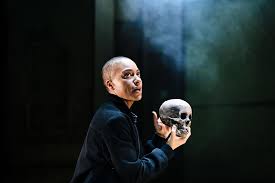
Craig pointed out that both David and Cush have played Hamlet so what draws them to these canonical roles? Cush revealed that playing Mark Antony in the Donmar’s Julius Caesar had changed her life – it revealed how Shakespeare could be interpreted and come alive for new audiences. She felt a duty to protect Shakespeare. She knows that Macbeth is one of the plays that is most taught in this country, throughout the land….and there are children who hate it as a result. She comes from a big family and has nieces and nephews ranging fro 2 to 17, and she feels that it’s importnat for them to experience the plays in performance, not as texts to be read. She added that she had been offered the role previously, but had turned it down as she wanted a Macbeth who wasn’t egotistical.
David told us that it was the first Shakespeare play that he read for ‘O’ level, and it has seemed elusive and transcendent to him. Although there seemed to be an expectation that he as a Scottish actor would want to play the part, he had also imagined Macbeth as a jock – not his type at all – until he played it on the radio, and could concentrate on the language. He was intrigued by Max’s concept, and liked that the production will be stripped down. He had seen many productions, including one that took place on a spaceship (Max looked pained) and he feels it works best when it’s taken back to basics.

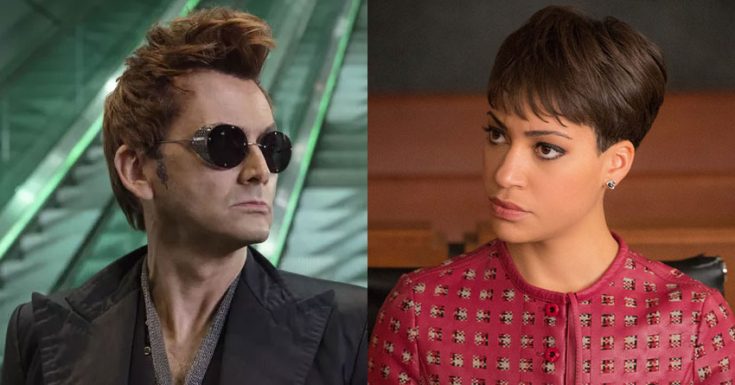
Both David and Cush are struggling to learn their lines before rehearsals start. “Something happens as you get older,” commented David wryly. “And when you have children, there’s homework to do and lunches to prepare…” None of his children are interested in his work (really?!) and Cush added that her 5-year-old couldn’t care less either.


Max told us that he plans to stage the play with very little getting in the way of the actors. He wants us just to concentrate on the actors and the language. He has prepared a version – “you won’t notice the difference” David assured us – which will play very fast: he wants us to feel what it’s like to “have scorpions in our minds.”
The big reveal of the evening was that Max plans for the audiences to wear headphones, as were used at the Donmar’s stunning adaptation of Blindness, so that we will share the visions and voices that the Macbeths are subjected to. This has been tested already, with good results, we were told. No doubt we shall receive further information of this extraordinary presentation before our visit on 11 December. It sounds thrilling and revolutionary and tremendously exciting. How do David and Cush feel? “We’re trying not to panic.”
It’s going to be wicked!
08/09/23 Fredo writes –
“IT’S GONNA BE GOOD” *- Seeing next to normal again + a Q&A with the cast
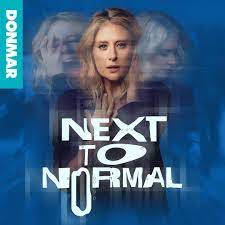
* 1 of 37 songs in the show
There’s a lot to take on board in the Donmar’s production of next to normal: the propulsive rhythms of the score by Tom Kitt, Brian Yorkey’s deceptively simple lyrics, the fast-paced production from Michael Longhurst, and the dazzling performances by every member of the cast. That’s why Mike and I were eager to see it again at the Directors’ Forum evening. Our group visit had been a success, with only four people demurring from the consensus, and we wanted to see how we felt about this complex show on a second viewing.
Our young friends on the Donmar development team and among the front-of-house staff were eager to share their enthusiasm with us. Did my ears deceive me, or did one of them really say that he had watched it 20 times already? And the audience response has been exciting, with a heavy demand for tickets and standing ovations at each performance.
This is unusual for a show that deals with fairly dark themes – and let me clarify a misapprehension: some audiences have been confused that the theme of the show is dependence on medication. In fact, the subject is bereavement and grief. The narrative makes it clear that the family have been damaged by medical intervention, and that Diana has been prevented from grieving for son, and at the end, we feel that Dan is defeated when he agrees to “talk to someone.”
What did the cast think? At the end of such a vocally and emotionally demanding performance, we thought they would be drained and tired. Instead, when they joined Literary Manager Craig Gilbert and Musical Supervisor Nick Barstow on stage, they were buzzing with energy.
Jamie Parker immediately apologised that he would have to leave at 10:30 to catch his train home, so Craig started by asking them all what their initial reaction had been on being involved in the project. Trevor Dion Nicholas had known some of the music but had no idea about the twist in the plot*. By contrast, Jack Wolfe had been fascinated by it since he was a stage-struck 14-year-old in Wales. He discovered the TONY Awards on YouTube, and watched the extract from the show, which was the kitchen argument scene. He had never seen anything like that in a musical, and he had played the clip over and over again. Finally, his mother bought him the cast-recording, and the vocal selection score. He was excited to hear that the Donmar was going to stage it; then he got the call to audition. He wanted to work at
the Donmar and with Michael Longhurst – and then he got the job. His dream had come true!
Nick’s experience of next to normal was similar. His parents enjoyed musicals – the conventional ones. He saw the same TONY Awards video that so impressed Jack. He’d been thinking of reading theology at university, but this changed his direction into musical theatre. When he heard the Donmar had scheduled the show, he did everything you’re told not to do to get the job: he lobbied the producers relentlessly – “I’m surprised they didn’t block my number” – and said that he didn’t care about losing every shred of dignity as long as he could work on this show.
Jamie added that like Jack he’d had ambitions to be in musicals, but his aspirations tended towards Seven Brides for Seven Brothers and Hello, Dolly! He has since then stopped pursuing specific roles, as his career has given him interesting experiences that he hadn’t sought. He’d been working on another musical (The Curious Case of Benjamin Button at Southwark) while preparing for next to normal, and he thanked the younger members of the cast for their patience with his not knowing every word and every note when rehearsals started.
When the show opened on Broadway in 2008, Caissie Levy had been in the revival of Hair. She saw next to normal several times and hoped at some stage to play the role of Natalie, the daughter. Since then, her career has spanned Les Miserables, Ghost, Wicked and Frozen, and now she is playing Natalie’s mother!
For Jack Ofecrio this was his dream job, on his second West End appearance. He was too young to have seen the Donmar’s production of Parade, but had listened to the recording. He wanted to thank the audience for continuing their support of the theatre and hoped it would still be there when he is…old.


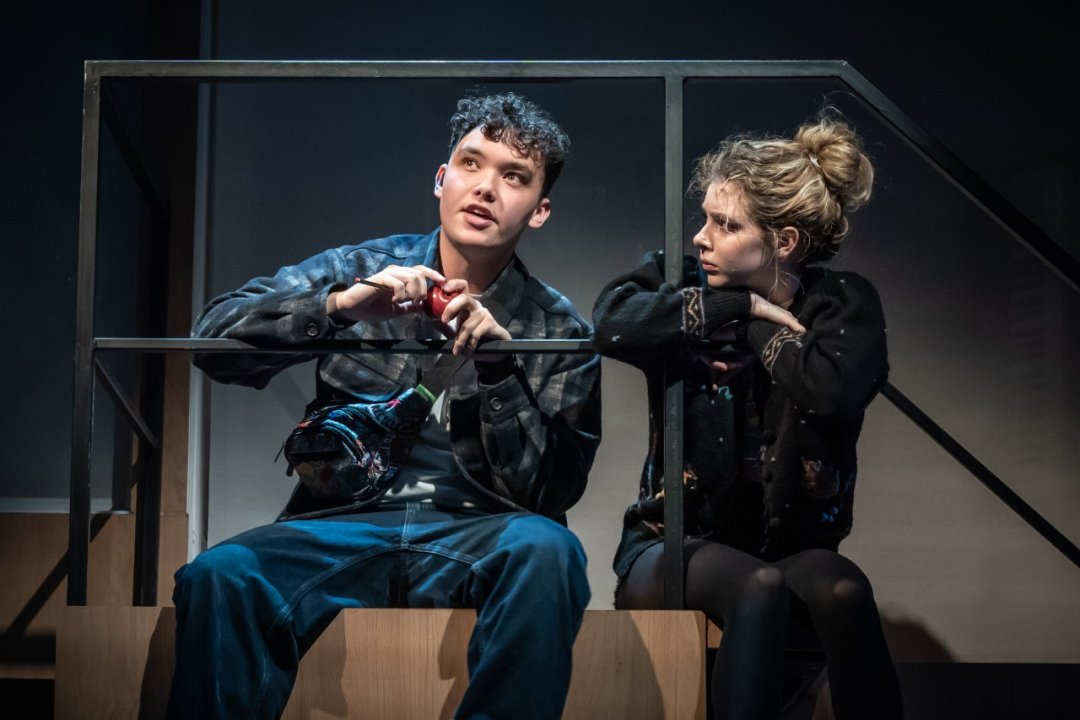

Craig pointed out that we had on stage a former Elsa, a former Matilda and a former Harry Potter (as an adult); what was it like to play in the Donmar after those huge shows? Jamie jumped in to say that there was no difference; their job was to engage with the audience, and hold their attention. Jack Wolfe agreed: Michael had told them to make contact with their audience and never to stare into the middle distance – though he said it is disconcerting to see the whites of the audiences’ eyes.
Both Trevor and Eleanor Worthington-Cox added that every audience reacts to different points of the show; some find humour, sometimes the funny lines don’t get a laugh. Nick said that the big opening number usually doesn’t get applause, as the end is downbeat – but if there is a critical mass of people applauding, then the applause will continue through the show.
One of the audience asked if they felt that the ghost of Sondheim, such a major influence in musical theatre, hangs over the show (and indeed, I did hear the occasional homage,
especially in the final notes of several songs). Nick replied that indeed Sondheim’s influence was far-ranging, but he was the master of pastiche, and in Sweeney Todd and A Little Night Music, wrote in distinctive idioms. Tom Kitt has scored the show carefully to fit the characters; for instance, the rock music for Dan was different from that written for his son Gabe, as they would have listened to different radio stations.
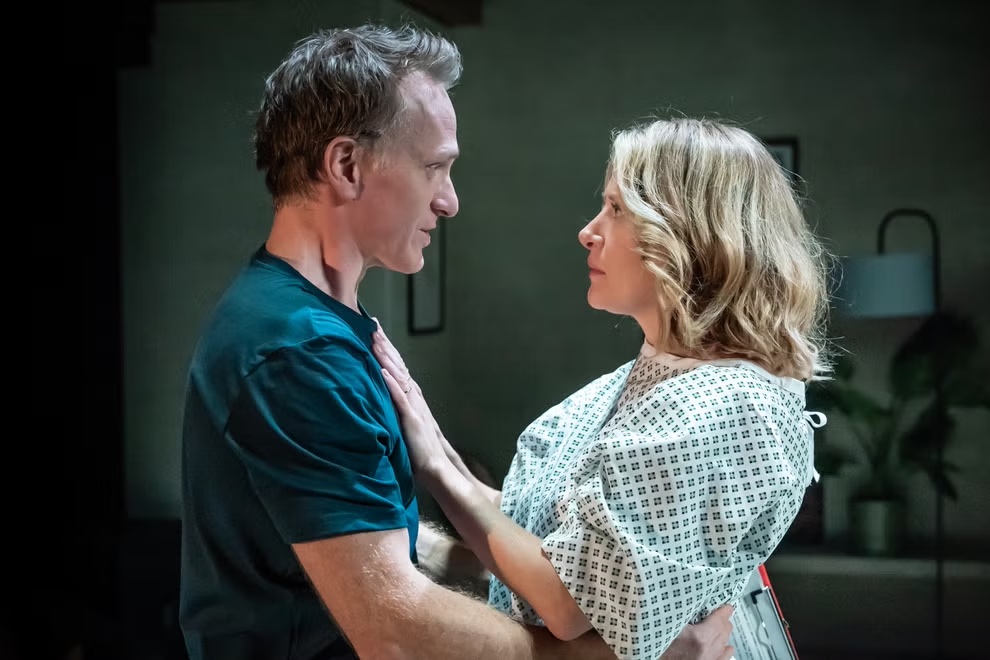
Did next to normal stand up to a second viewing? Well, in fact Mike and I were experiencing it for the third time, as we’d seen its first incarnation off-Broadway in 2008. And it’s a resounding YES. It’s a complex show, depicting an unhappy family in depth, and giving each member their own tragic weight. It’s invidious to praise one member of the cast more than the other, but there is one image that will remain with me: Jamie Parker as father Dan drowning in grief (*SPOILER ALERT) but caught in a deadly embrace by the succubus-like Jack Wolfe as the spirit of his dead son. It’s devastating.
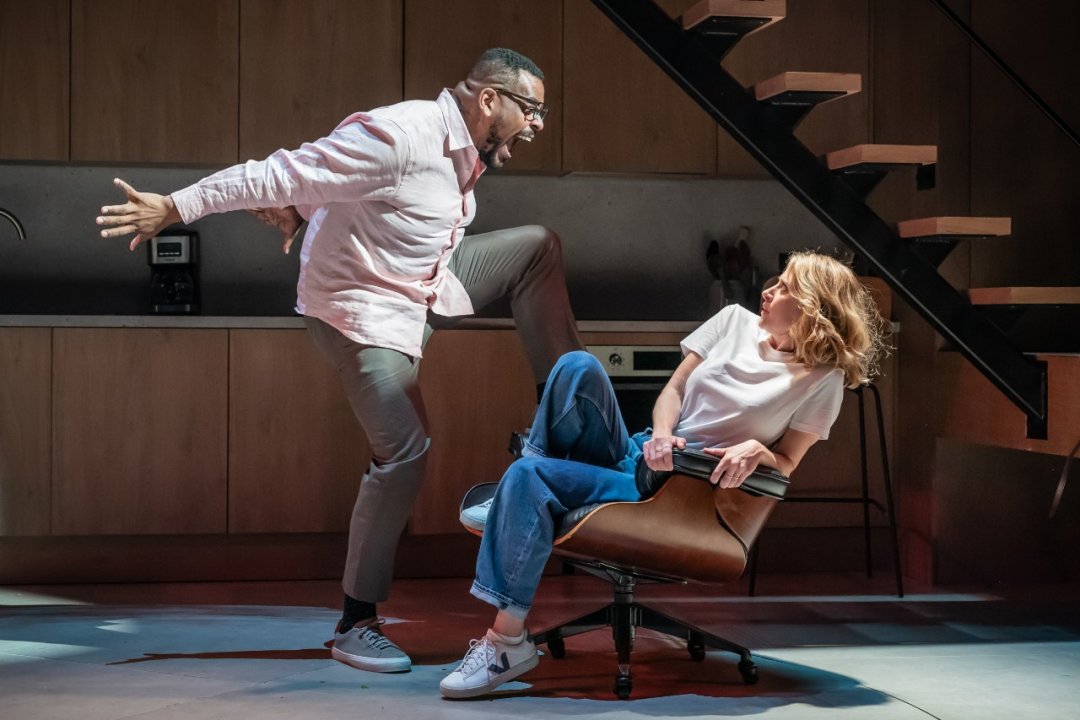
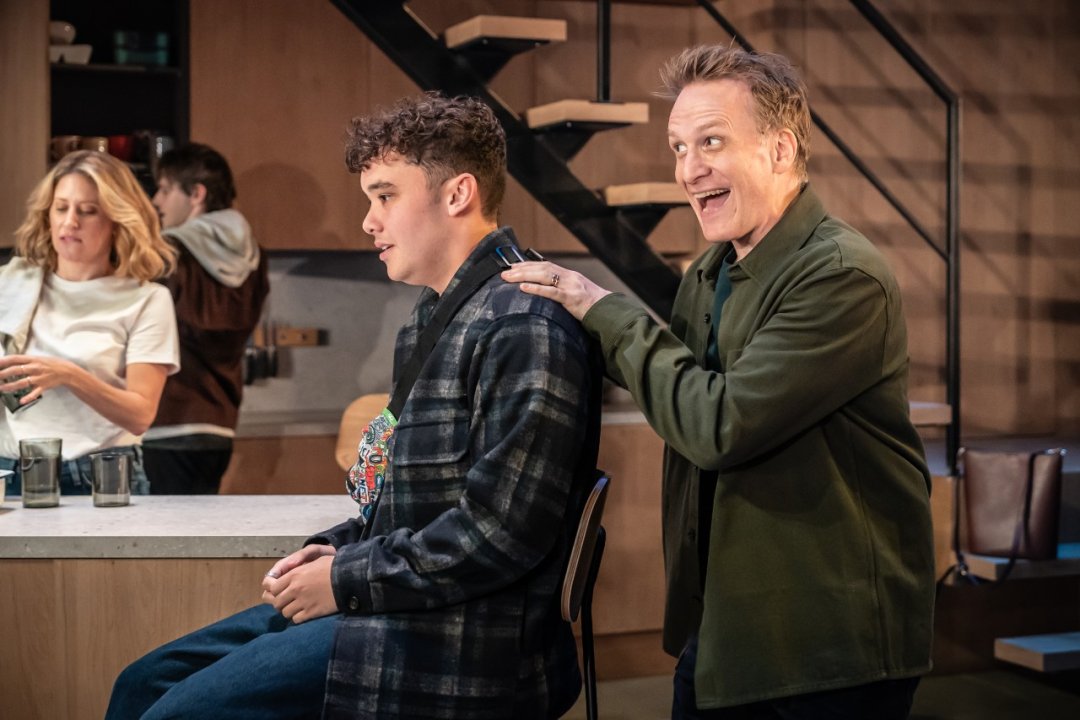
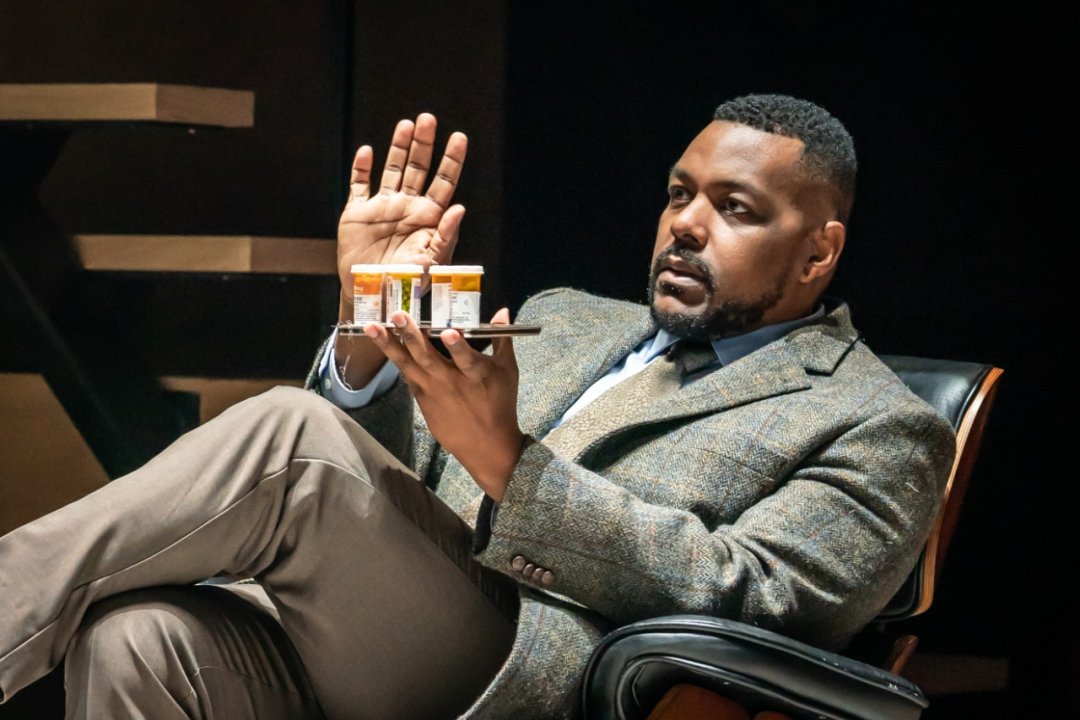
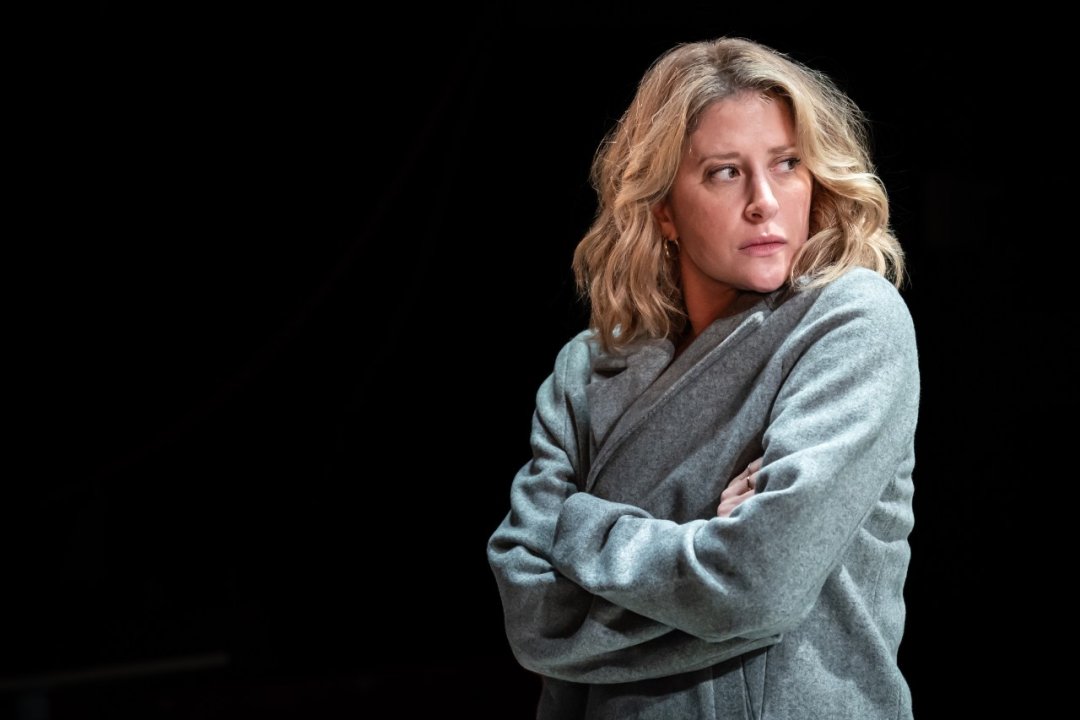
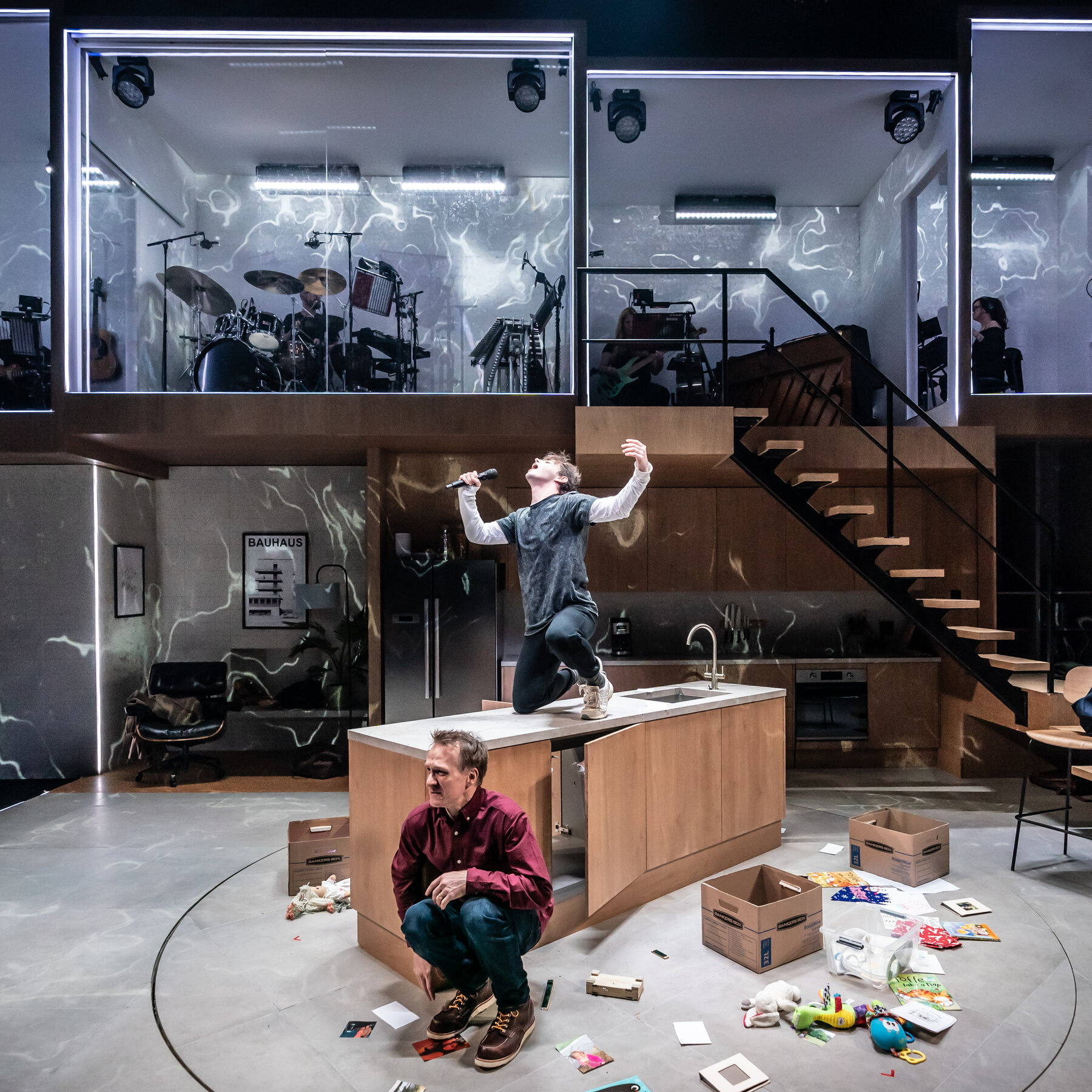
Photos: Marc Brenner ((Somewhere it’s stipulated the title should always be in lower-case letters.)
01/08/23 Fredo writes –
WHO’S THAT GUY?
The American actor Billy Porter (in Kinky Boots on Broadway, Pose on television) has created a stir by commenting that England and Europe are rightly proud of the theatre and the arts, but don’t provide American-type Playbills to identify the actors and artists. He suggests that this is disrespectful of the hard work that these people do, by denying them the credit.
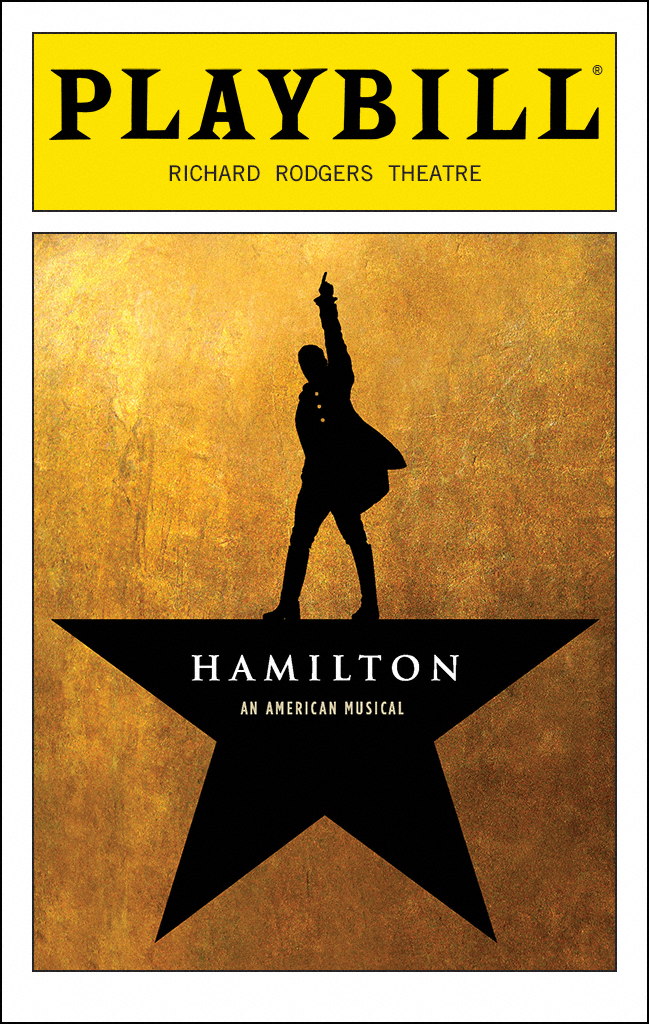


It’s true: go to a Broadway show, and you are handed a Playbill magazine, which gives full credits for cast and creative team, with a list of current Broadway shows and perhaps a couple of personality articles too. Plus ads of course. They even have special Opening Night editions. You can spend the interval checking what the leading lady has been in before, and who’s that guy who’s stealing the show in a smaller role? And then when you leave the theatre, you’ll see the trash-cans overflowing with discarded Playbills as the audience heads to the subways. But for some they are highly collectible. It has been known for us to raid trash-cans…
However, Mr Porter, don’t be fooled that the Playbills are free – the cost is covered by the exorbitant price of the ticket. Nevertheless, he has a point. In the West End, the theatre programme can add a significant amount to the already expensive total bill for your night out, and that is why many of us choose to do without. I’m not completely up-to-date with the prices being charged, as I gave up buying programmes many moons ago. I have neither money nor house-room for them. However, I’m reliably informed that the basic price is £5 or £6, and this can shoot upwards for the bigger, glossier souvenirs for the bigger, glossier shows.
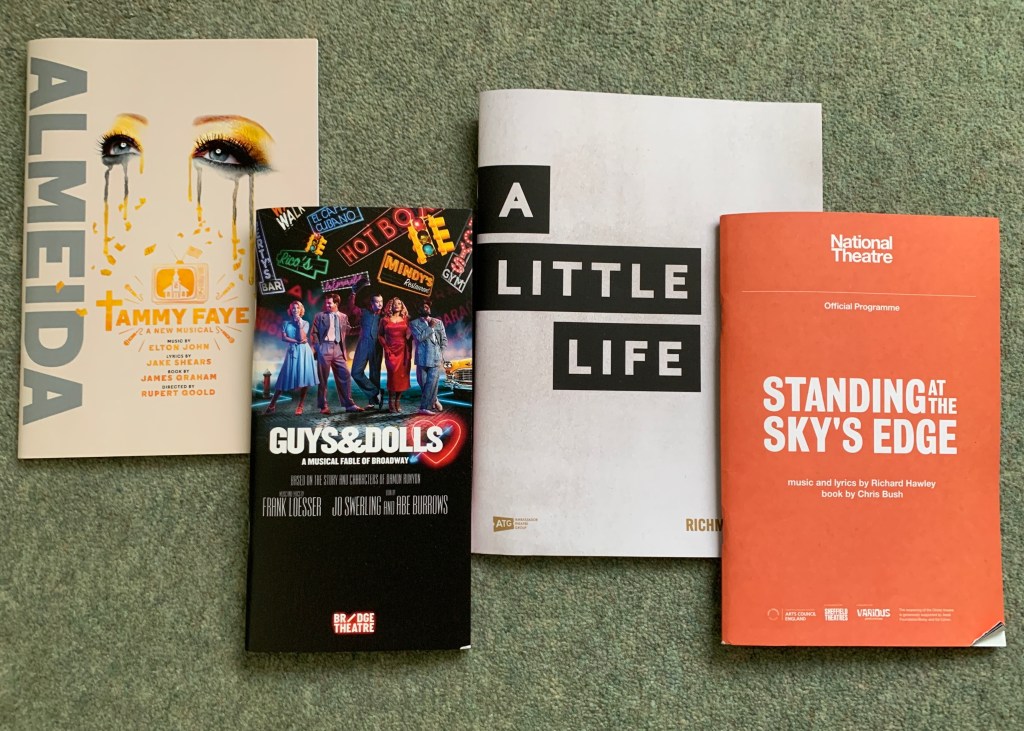
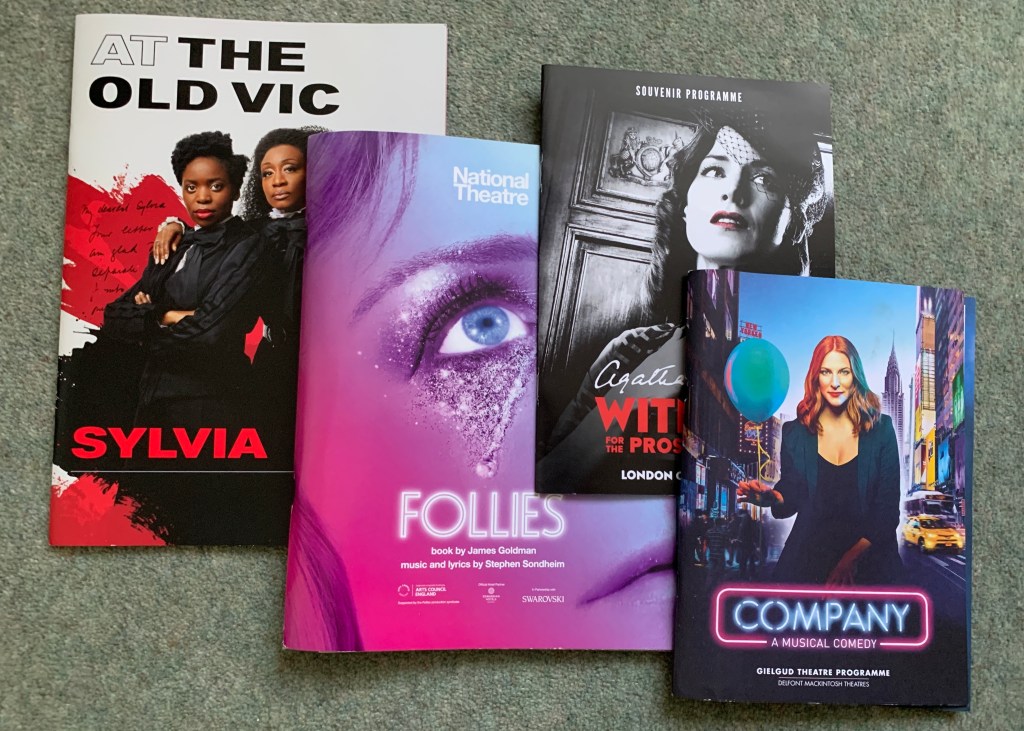
The National Theatre provides fairly basic cast-lists free-of-charge, and this gives all the information I need, though they also sell a much more comprehensive booklet-style programme that acts as an introduction to the play. Some theatres display cast lists in the foyer. It would be useful if other theatres followed the NT printed cast-list example, but I suppose this would impact on programme sales.

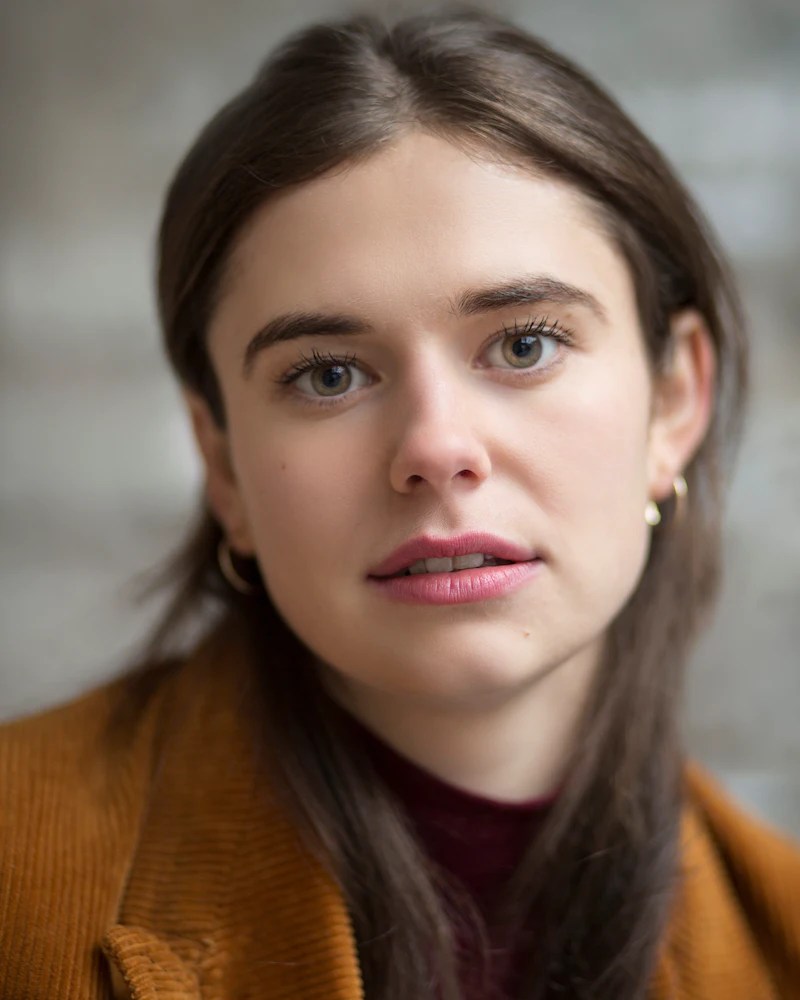
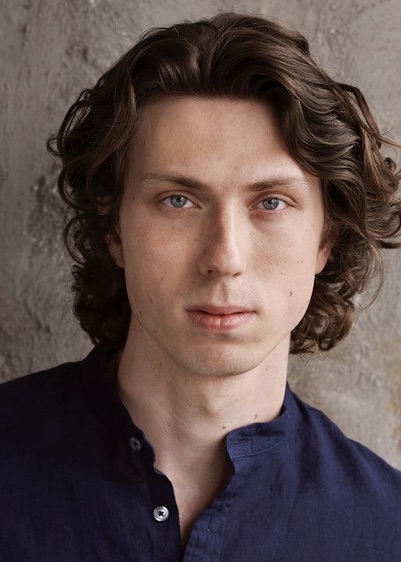
Jamie Muscato / Alison Oliver / John Bogyo
“Who was the man who played Christian?” was the question I was asked several times on the way home from Moulin Rouge. “I’ll go to see him in anything.” It’s a comment that producers should sit up and listen to. His name is Jamie Muscato and he’s not a new-comer: he’s 33, he’s been in musicals for more than 10 years, and has Heathers and Les Miserables on his CV. But you’d need to buy a programme to find out.
It puzzles me that producers don’t promote this talent, and build up an actor’s profile so that audiences could follow them from show to show. John Bogyo started his career playing Christian in Moulin Rouge before taking a leading role in Aspects of Love. This show has failed to win an audience in the West End, and it’s possible that Mr Bogyo’s fans would have followed him from the Piccadilly to the Lyric Theatre if he had been granted better name-recognition in his earlier work.


We’re taking a group to see Les Miserables shortly, and I was asked “Who’s playing Jean Valjean?” I’ve no idea, and the producers aren’t interested in letting us know. There have been a procession of great singers playing Jean Valjean, Javert and the Phantom over the past 35 years, but how many have achieved stardom? Anyone of them could probably lure audiences back to the theatre in another show. Aren’t producers missing a trick somewhere?
Maybe I should treat myself to a programme every now and then. A couple of months ago, Mike and I went to see Women, Beware the Devil by the talented young writer Lulu Raczka at the Almeida. I didn’t realise that the cast included the striking young actress Alison Oliver, who’d caught my eye in Conversations with Friends on television. Fortunately, the Almeida provides a cast list, and I was able to enjoy the performance even more.
Mr Porter has a point: let’s give the people who give us so much enjoyment the recognition they deserve. Let’s campaign for cheaper programmes and free cast-lists!
Mike adds: Jean Valjean is currently being played by Josh Piterman who has previously played the Phantom and appeared in many other musicals. Have you heard of him? It was difficult to know whether details given on line were up to date; it was difficult to search; but casting may have changed anyway by the time we take the Group. Actors often move between Les Mis and Phantom with little publicity. Fans who visit frequently like to ‘collect’ different performers but they seldom become well known generally. The shows trading on their titles foolishly see no need to publicise their casts.
20/07/23 Mike writes –
WWwtWwtW
We were invited to the Donmar this week to see that long-titled Winston play which the Group enjoyed a few weeks ago. The after-show Q&As are always a bonus, giving insights to the background and rehearsals. Fredo couldn’t stay as he had to pick up the coach after the Group’s visit to The Crown Jewels, and it has been suggested that he had the better evening! Ah well, not everyone can be pleased all the time.
I stayed behind for the Q&A and was rather disappointed that none of the lead players appeared. It would have been good to know what it was like to play the well known historical figures – Churchill, Baldwin, and John Reith who battled with them both over what the BBC should transmit. But I was pleased to see those who did join the Q&A, of course, as they were keen to talk to us. This will only mean something to those of you who came with our Group to see the play.

First they joked about who fell asleep (they can see you) and Ravin J Ganatra said his wife nodded! It wasn’t the players’ fault as there was a lot going on, especially on the gantry at the back of the stage where Wireless noises were continually being improvised. We were told that the cast found their own implements to use – all that walking on gravel, using a peach and spoon to gouge eye-sockets, and making a convincing gunshot which did not sound like a champagne cork. The greatest difficulty was to climb carefully and not fall off that gantry.
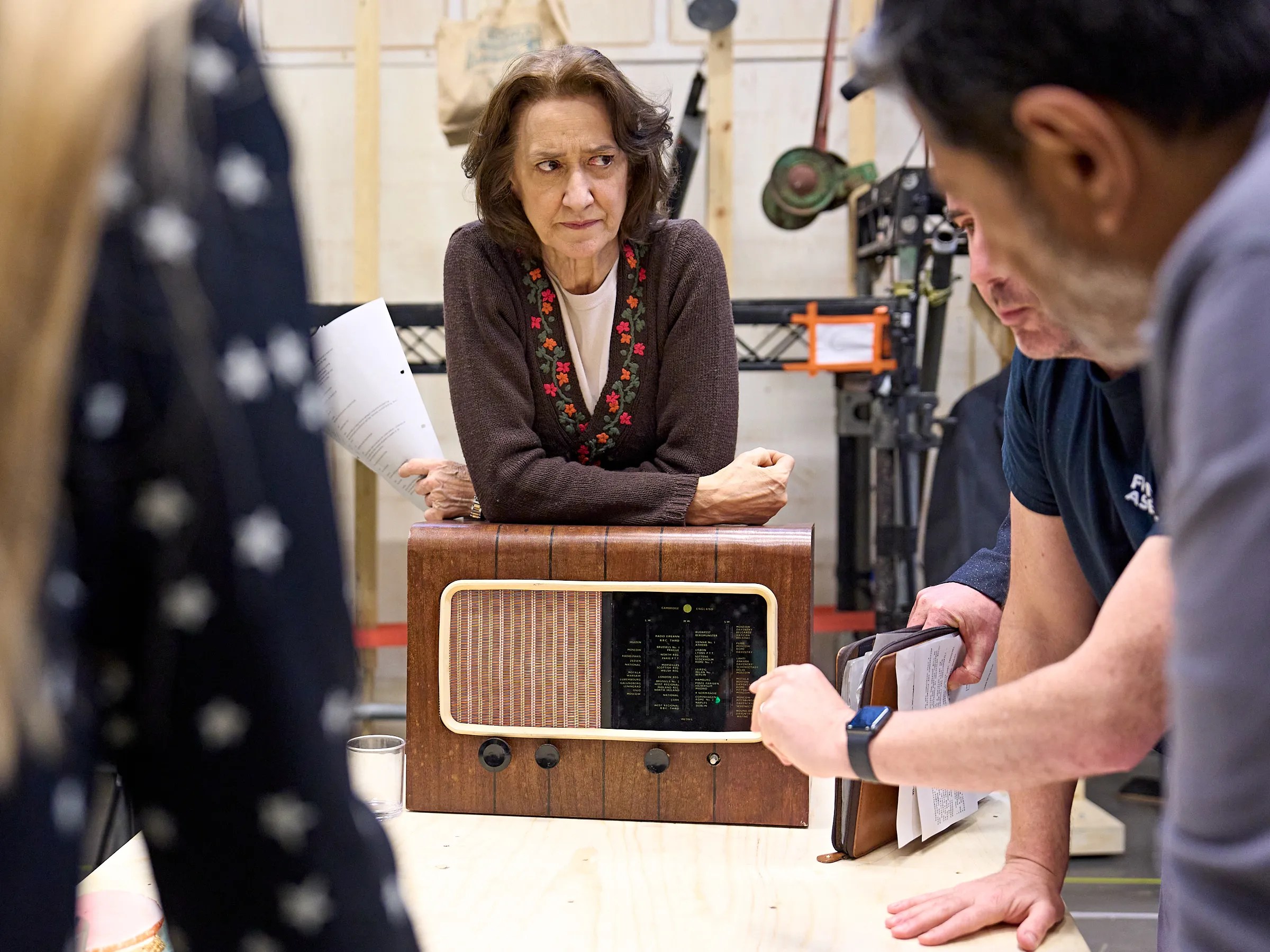
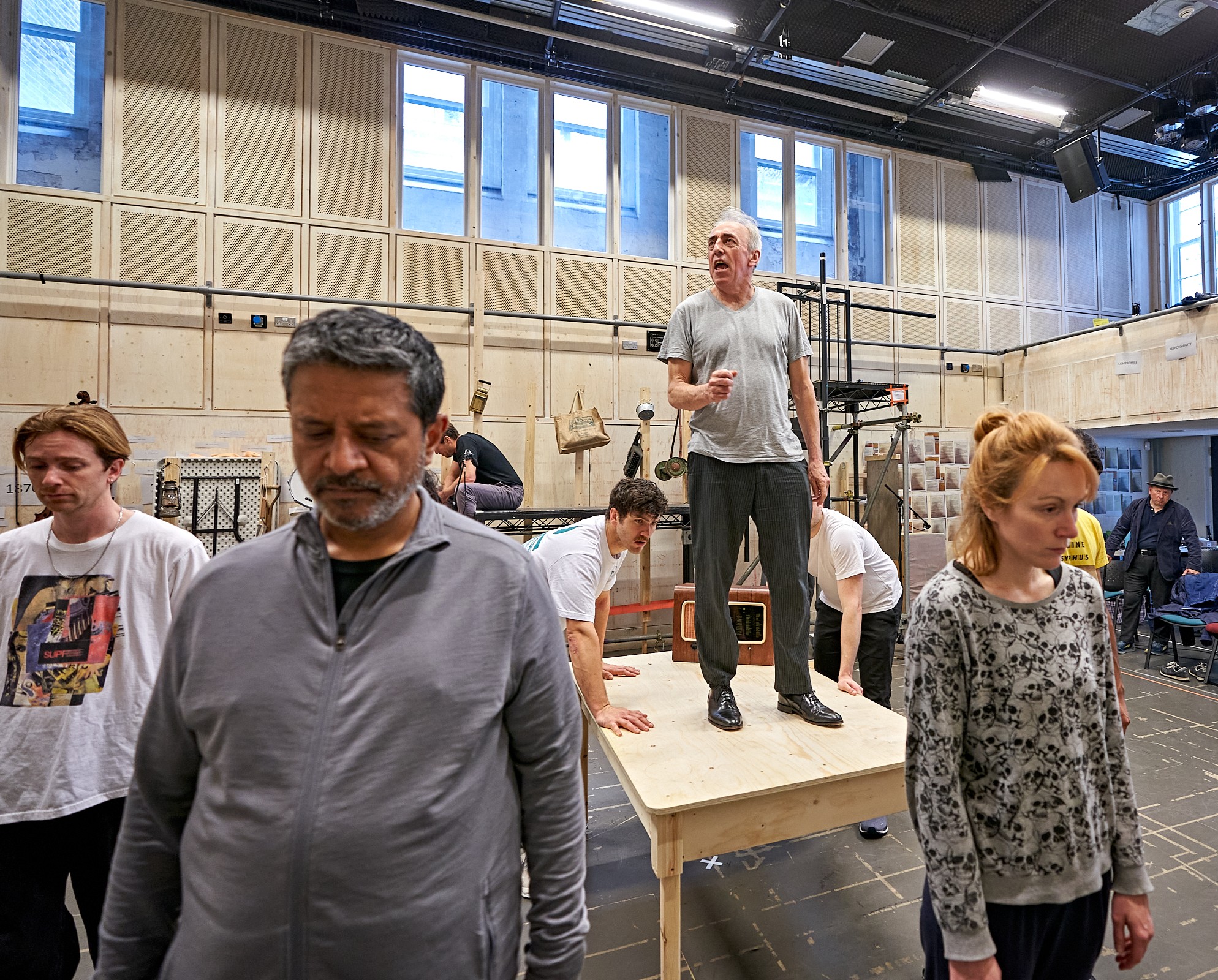


Shubham Saraf suggested the play has much resonance with what is happening at the BBC today, its striving to remain independent and not be politically influenced. Three BBC experts had visited rehearsals, Gary Lineker had seen the play, and Tim Davie had been just the night before. Laura Rogers told us the younger members of the cast had little knowledge of the 1926 strike so a lot of background investigation was keenly undertaken. Some had queried why Churchill is often remembered with affection nowadays whereas back in 1926 he was both unpopular and ineffectual. Luke Newberry had wondered (as did some of the audience) whether his role as Charlie (Reith’s true love) was really a ghost. That remains open to interpretation.
Many of the actors played multiple parts and they all agreed that was both fun and exciting. Those having seen the show will particularly remember Haydn Gwynne playing, among others, Stanley Baldwin. I know some of our Group wanted to ask Why a woman was playing a man. Fredo suggests it was because she was so good at it. I agree, she was, but I would still like an answer. No-one asked, and I think these days it’s not a question they want us to ask. I was too shy!
17/07/23 Mike writes –
Doctor, doctor….more ticket price woes
Only last week I was focusing my attention on the National Theatre and its Dynamic pricing policy and lack of group discounts. Earlier, I drew attention to Andrew Scott in Vanya – one man, short run, high prices. Perhaps that was a little unfair as it’s the producer that decides on the ticket prices.
This week I have received an email from Sonia Friedman Productions promoting Dr Semmelweis which has just received excellent reviews. Is there a group discount, I wondered, so I phoned ATG to ask. No there is not, I was told, but there used to be. It has now been withdrawn due to the popularity of the show. OK, I have to accept I was too late, but I did think originally that a play about historical deaths in pregnancy might not sell many tickets. I had overlooked the Mark Rylance factor, not only a great actor, some say, but also popular. The two do not always go hand in had.
Still searching for affordable seats during the run, I came across a colour coding problem. The Harold Pinter Theatre’s seating plans have 10 (sometimes 11) different seat prices all colour coded, BUT the colour varies its price from day to day. It’s no use just looking for pink seats as their price differs on different days, as do actual seats. Wouldn’t it be easier for us if one colour represented one price? Back to ATG, I asked more questions. Are the prices higher later in a week, and are they currently higher later in the run?
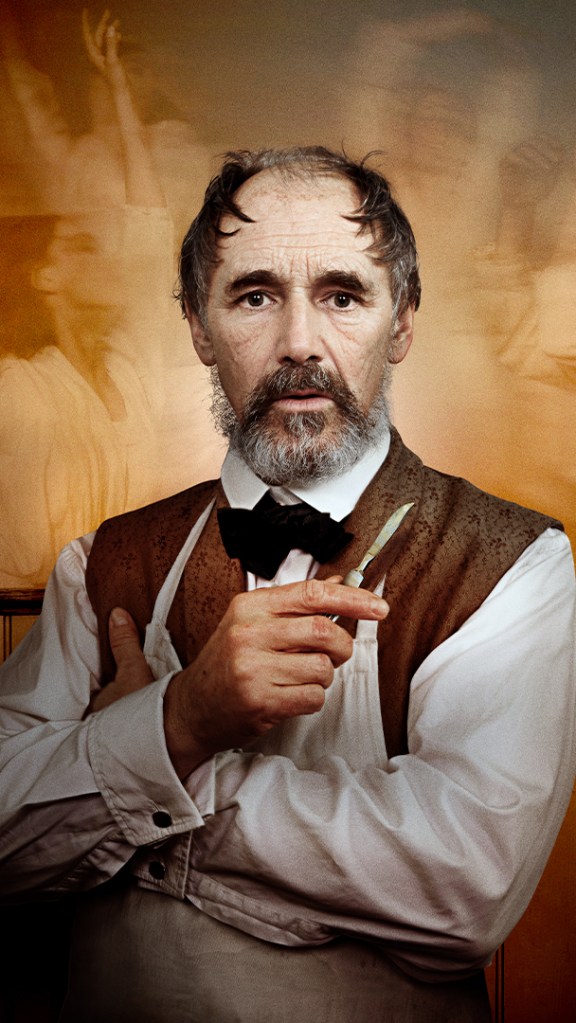
The doctor won’t see you now
The answer of course is Yes to both questions. But Sonia Friedman Productions does not tell us in advance when and what the increases will be (unlike producers at say the Menier or the Fortune). Prices are only valid on the day of booking. Tomorrow they may be increased, it depends how booking goes from day to day, so never delay. Today those same pink seats in the Balcony (third tier) vary from £45 to £49.50 to £55, and seating codes change colour depending on the date you want. Tomorrow, the Dynamic (ie Deceitful) pricing policy dictates those prices could be increased further. The Top Price seats are currently on offer at between £160 and £195.
Producers see increasing their prices during a run as a way of maximising their profits, but it’s confusing for bookers. It just encourages me to go elsewhere and book an alternative show.
And here’s a laugh, or just a wry smile if you prefer – if you buy a £25 seat at the back of the third tier with a restricted view (even a bird’s eyes would need binoculars!) they will offer you a Pinter Package (of a mini bottle of Moët Champagne, a programme and a luxury ice-cream) for an EXTRA £35. You can then pretend you are The Elite with those all around you being Not The Elite! There are similar class divides for those paying the higher prices in the Stalls and Circle. And some are affording to pay – that’s elitism, that’s current theatre the Sonia Friedman Productions way.
05/07/23 Mike writes –
Is it a Black or White question?
For all of you who loved Miss Saigon back in its day (1989 and 2014 in London), you may be surprised to learn that a controversy has arisen over it’s revival at the Crucible Theatre, Sheffield. Some say a revival is well overdue. Others suggest it presents racial stereotypes, was originally cast insensitively with white actors in Asian roles, and the musical should no longer be performed. There’s even a fight-back production at the Royal Exchange Theatre in Manchester called “Untitled: f*** m*ss s**gon play”, a comic and controversial counterattack on years of stereotype portrayals in plays and films. I’m sure the musical will now be cast in Sheffield with enhanced sensitivity to please all.


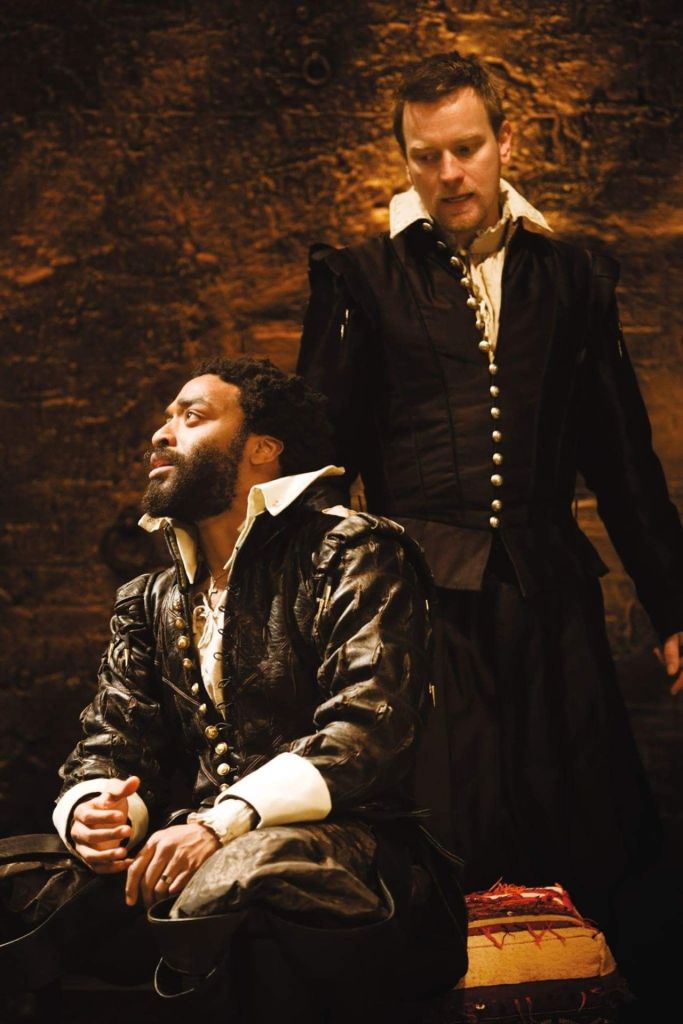
I remember Olivier playing Othello back in 1964 with no-one raising objections back then. Wikipedia says “Olivier played Othello in blackface. He also adopted an exotic accent of his own invention, developed a special walk, and learned how to speak in a voice considerably deeper than his normal one.” Of course, quite rightly, this would not happen today. Times have changed. That odd racist spectacle has perhaps been wiped from accumulated theatrical memory by Chiwetel Ejiofor playing Othello in Michael Grandage’s Donmar production in 2007, and the casting of all other Othellos since. On the other hand, David Harewood was recently cast as the white ultra conservative William F. Buckley Jr in Best of Enemies. I do wonder why. His role was not fictional, the usual rationale for colour-blind casting. It’s theatre, it’s pretend, why not? Buckley wasn’t black is surely the answer, and at one time he endorsed Southern racism.
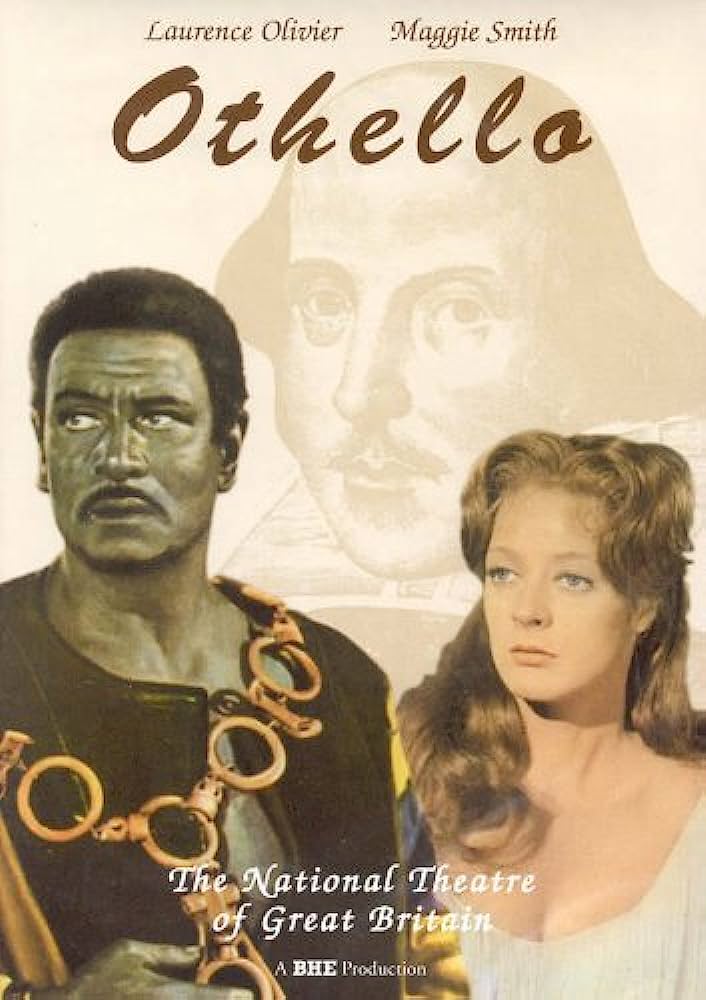

Laurence Olivier & Maggie Smith (1964)
Chiwetel Ejiofor & Ewan McGregor (2007)
David Harewood & Zachary Quinto (2021)
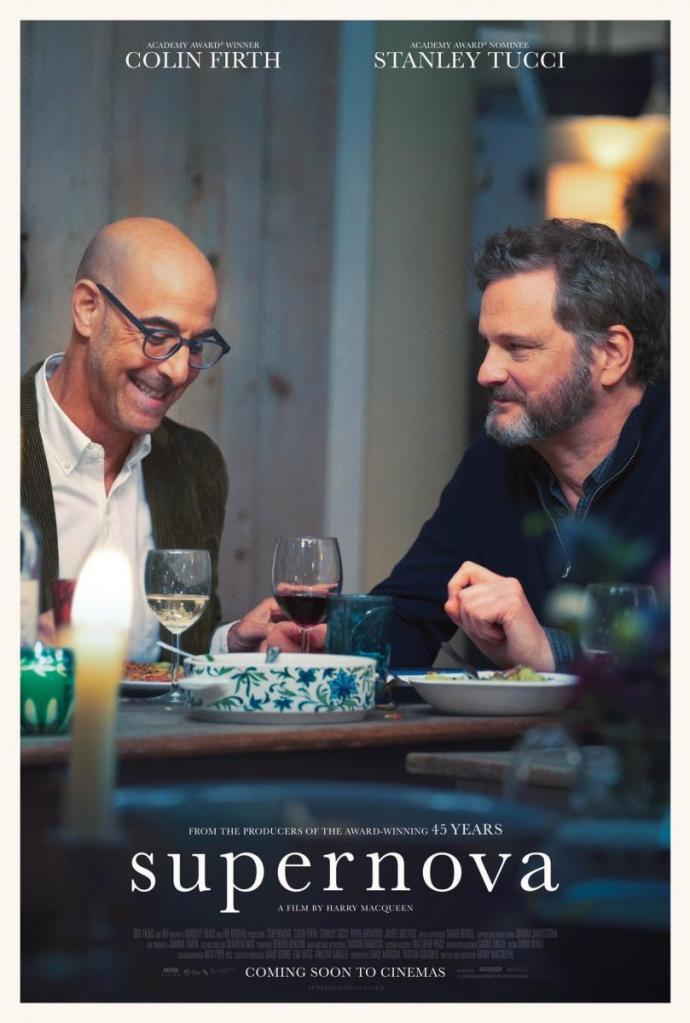
And should gay characters be played by gay actors? This is another question often now asked and never resolved. Russell T Davies, the writer of the television series “It’s A Sin” thinks they should and he cast his gay roles with gay actors. The actor Russell Tovey plays both straight and gay roles but is now most often cast when a major character is gay. In the recent movie Supernova both the central gay men were played by Colin Firth and Stanley Tucci, both straight actors. Tucci recently said it is all about acting and not about being gay or straight. But some would disagree.


Russell Tovey /
Colin Firth / Stanley Tucci
In the recent When Winston Went to War with the Wireless at the Donmar, we were full of praise for Haydn Gwynne when she Brylcreemed-back her hair to play Stanley Baldwin before we got around to asking Why. Gender-swap roles happen so frequently these days that it hardly seems worth asking that question, though Lloyd Evans in the Spectator did say “It’s unclear why an Asian actor, Ravin J. Ganatra, is playing the Archbishop of Canterbury or what purpose is served by casting Haydn Gwynne as Stanley Baldwin.” I was much impressed by the late Glenda Jackson playing King Lear (I wanted to see the great actress stretching her talents) but sometimes gender reversal just looks like ‘Jobs for the Girls’ or pantoland! Oh, I better re-phrase that – employment gender balance. I know boys played female roles in Shakespeare’s day but then the law and society relaxed its conventions and grew up. Should we turn back the clock?
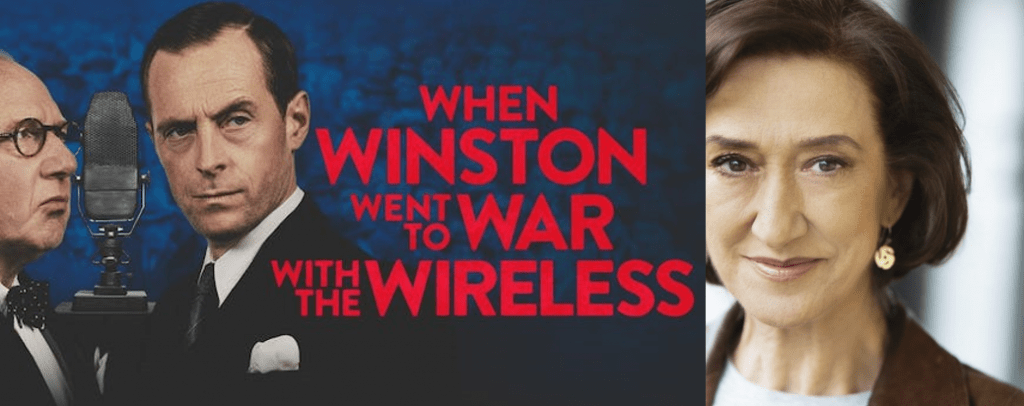
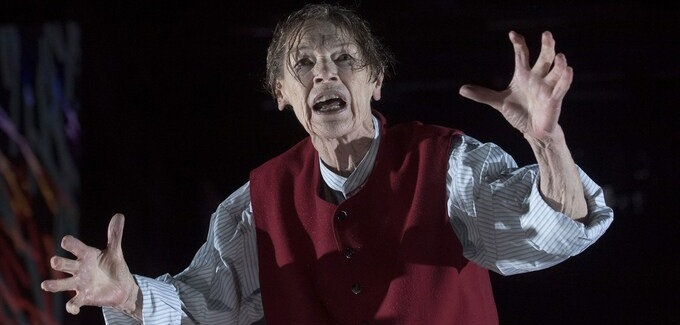
Haydn Gwynne / Glenda Jackson
Whenever the subjects of colour, gender, sexual orientation and cultural misappropriation are discussed, the easy PC answer seems to be Diversity, include all, majority and minority, a good intention but which comes first – the play or the players? To shuffle Shakespeare, I would say “The play’s the thing” and “All the men and women merely players’, adding “One man in his time plays many parts”, the emphasis being on plays many parts. He/she has to act, to convince us in the reality of a situation portrayed. Who benefits from this casual casting? Actors certainly do, but I don’t see any advantage for the show or the audience.
Opinions on all of this seem to be split between what some see as Left or Right thinking – I don’t agree. Do you take the Guardian’s or the Telegraph’s opposite paths? Or do you venture into those grey areas of the Times and Independent? Is it PC/Woke, with some theatres just too keen to jump on a fashionable bandwagon, or are some of us resisting change for the sake of the status quo?
The theatre critic in the Times last week asked if we thought the outmoded Miss Saigon should be performed updated, or left in the past. My answer was – Of course the show must go on. And actors should act their roles, not be the part. Theatre is always as much about the past as the present and future. Be critical but never cancel.
What do you think? You can reply on the YourComments page.
04/07/23 Mike writes –
Another Ticket Price update
Oh, the deception of it all! We have been dismayed to discover that, after all these years of providing a (small) discount for Group bookings, the National Theatre appears to have discontinued this necessary incentive. No announcment of course. We discovered this when we booked for Bernarda Alba and found we were only given one free ticket for the group booker but no discount on seats. Is this permanent, just for this show, or a test to see if groups are deterred? We don’t know. We do know that preview prices are cheaper before Press Night, tickets on Fridays and Saturdays are the most expensive, and mid-week matinees have discounted tickets for seniors. We try to work our way around this to offer you seats at a reasonable price.
We do know however that the National Theatre operates Dynamic Pricing – a member of the Box Office staff admitted this to us. They told us that the price we were paying may increase at a later date during the run, meaning that seats in the price band we have booked could be increased to a higher price band later. I suppose we are meant to feel good about that, buying tickets now at a price which will be higher later. It means the top price bands will increase in size, reducing the seating area of the lower price bands. This is why price band areas are not shown on any National Theatre printed material. Yes, it’s complicated, and it’s the reason none of us can know what price we shall have to pay whenever we decide to book a show. Book early – that is all any of us can do to avoid price hikes.
20/06/23 Mike writes –
Ticket Pricing update
I like to keep an eye on the rising price of theatre tickets, and I think you like to know what you can’t afford to see. Since lockdown a new type of theatre experience has developed. There are obviously some who, when they say they cannot afford to heat their homes or eat the meals they used to eat, they still like to have a special treat and go to the theatre. Some shows are made especially to tempt them, the ones who will spend their last pound on seeing someone they idolise. It worked for A Little Life, now here comes Vanya.
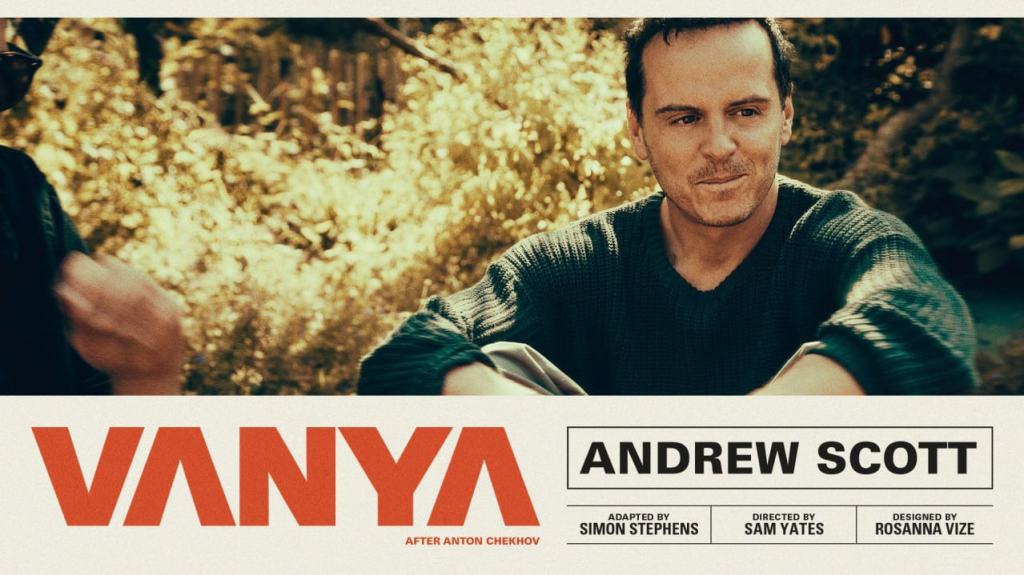
Don’t look so smug, Andrew
High prices + short runs = big bucks rewards!
I have always liked Andrew Scott’s charismatic performances and I’m sure you will remember him in Hamlet and Present Laughter in recent times. But idolatry is a step too far. In those olden times we paid a discounted group rate to see him. Now he is doing Vanya, a one-person version of the Chekhov play. Times being what they are, I was expecting prices to be high. I checked the prices at Richmond before Vanya comes to the West End. The cheapest available current price at Richmond is £77.50 (plus a £3.80 on-line transaction fee). All the Upper Circle seats at both theatres quickly and completely sold out.
If you guessed the prices at the Duke of York’s Theatre would be more, you guessed right. The lowest price is now £100 and the Top Price is £125 (plus that transaction fee). Ah, but that’s not quite true – there is another higher ‘package’ price of £185 which includes “entry to our exclusive bar, 3 glasses of Grande Marque Champagne, savoury nibbles, ice cream, and a programme”. You can mix with other exclusive people and gulp down three glasses of champers per person. Of course there are no discounts. I don’t think anyone can say Theatre is not elitist any more. The Opening Night is sold out and that elite audience has already heavily booked the run, although it doesn’t open until the end of August in Richmond and mid-September in the West End.
Sorry, Andrew, we shall have to give you a miss on this occasion. I wondered if cheaper seats would be put on sale later, after some fans had already raided their savings? I was told that at the Duke of York’s the rarely used Bench seats in the gods may be put on sale later. I asked the price and was told that was undecided as yet but could be £50. I remember sitting (uncomfortably) up there back in the ’60s for what I think was five shillings! I shall keep an eye open and if a cheap offer comes along, I might still be tempted to go. But I won’t hold my breath.
Happily, the pricing spectrum does have another side. The new musical Operation Mincemeat has an unusual pricing structure. All seats throughout the theatre are one price. They are £39.50 on Mondays, increasing through the week to all seats at £79.50 on Fridays and Saturdays. There are also cheaper rates for Groups. Pick a day to suit your pocket. There is even a fortnightly Lottery for unsold tickets at only £25. I wonder if other shows will follow this example. It may be divisive, separating spendthrift theatregoers from the frugal, but it does still keep Theatres open to all.
Note: Prices will vary if booking at the theatre or through an Agency. On our website’s LINKS page I have listed details of which theatres are associated with which owner/agencies – it will save you money to book with these agencies. But it wont save you as much as booking with us!

07/05/23 Fredo writes –
Potent Music
“Plays aren’t always about nice people,” commented Stephen Mangan, in the Director’s Forum on PRIVATE LIVES. He was with his fellow-actors Laura Carmichael and Sargon Yelda, with director Michael Longhurst and the Donmar’s Literary Manager Craig Gilbert, and the audience were discussing the volatile relationship of the central couple, Elyot and Amanda.
This was the second viewing for Mike and me. We were delighted that the majority of our group had enjoyed it at its final preview, and it was interesting to see how, two weeks later, the performances seemed to have gained confidence and the characterisation had deepened.
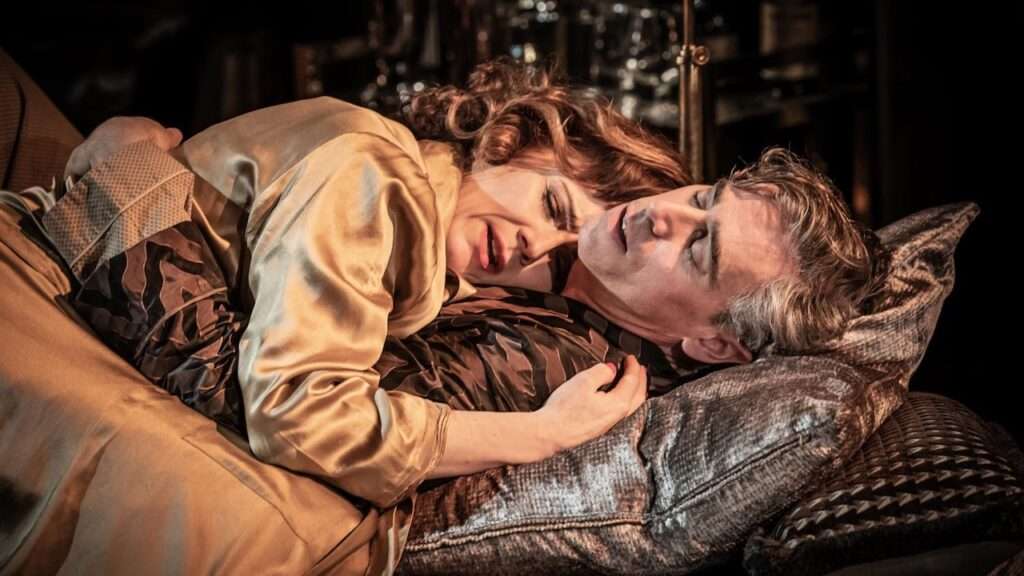

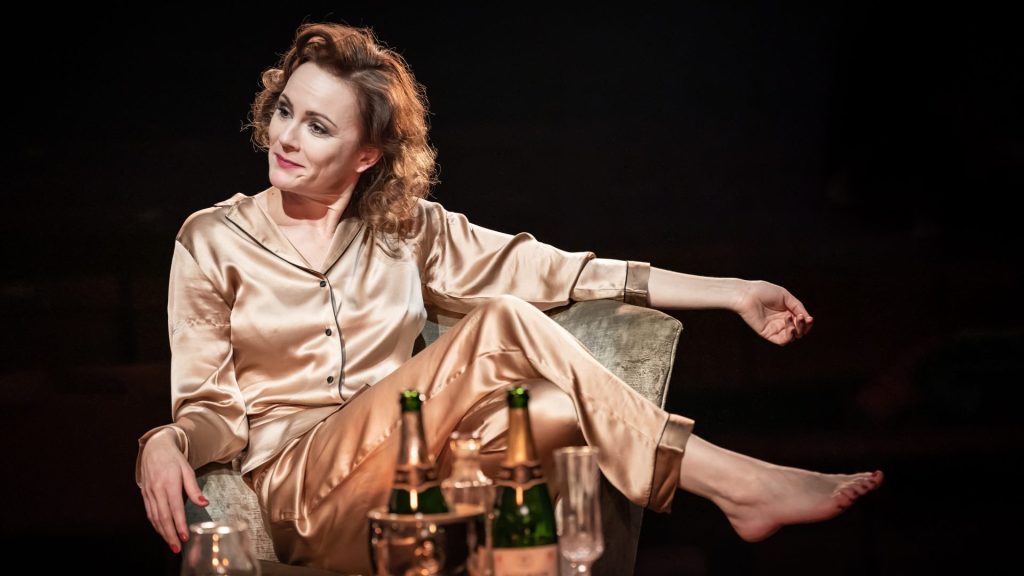
It’s a play we had seen in different productions many times before. It’s often – indeed, almost always – played as a brittle comedy, with the actors placing one familiar line after another to get the expected laugh. Michael’s staging had taken the critics and some audience members by surprise: his Elyot and Amanda were hurt, defensive people, torn between extremes of passions, and sliding into combat at moments of provocation.
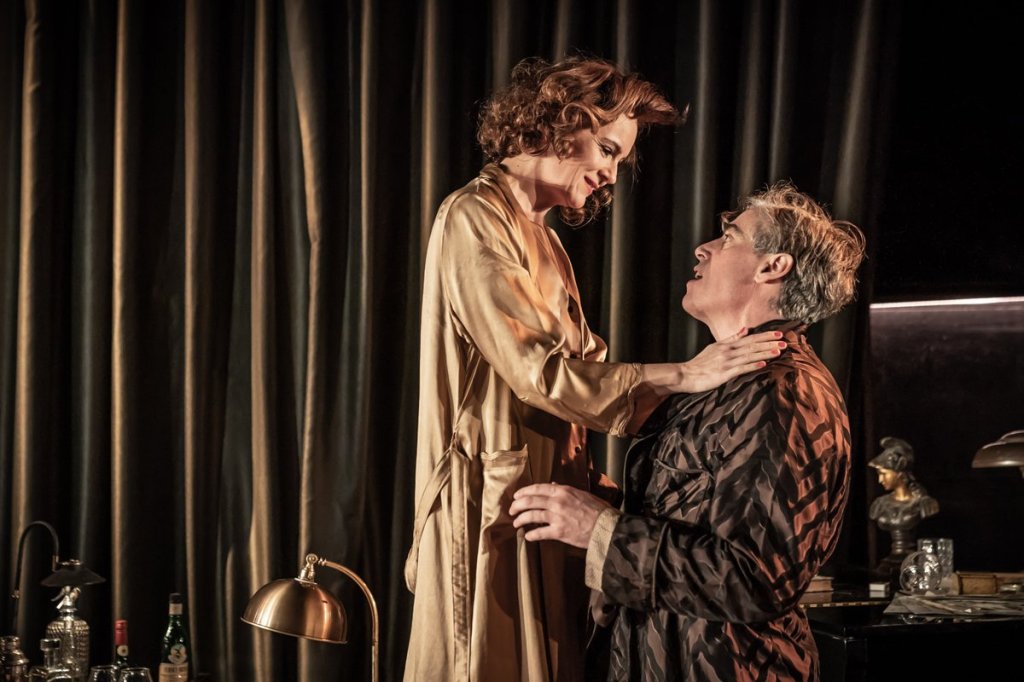
Neither Michael nor Stephen had seen or read the play before, and Michael had been immediately struck by its visceral passion, and by the violence, telling us “It’s in the script!”. The script has not been changed for this production – Amanda. reminiscing, says “That was the first time you hit me!”. They agreed that the domestic violence cannot be funny, must be portrayed truthfully, but once it’s released on stage, how do you recover? Stephen said that he and Rachael Stirling had delved into their characters and noted how they behaved liked children.
During rehearsals, the cast had discussions with a relationship therapist to help them understand the interactions between them. They concluded that the four characters were all needy and narcissistic and packed with contradictions – even Sibyl and Victor are revealed to possess primal emotions under their well-mannered veneer. It’s important to recognise that all four give as good as they get, as equal partners.
This familiar play carries a weight of expectation. Michael said that their is a danger that the music of the language, if delivered in the conventional clipped tone of many Coward productions, can disguise the strong feelings that are underneath.
Stephen was at pains to emphasise that the play is set in a different time to ours with different values; they’ve survived a world war, a flu pandemic and more punitive divorce laws. This lends Elyot and Amanda a feeling of abandonment, and a wish to live for the day.
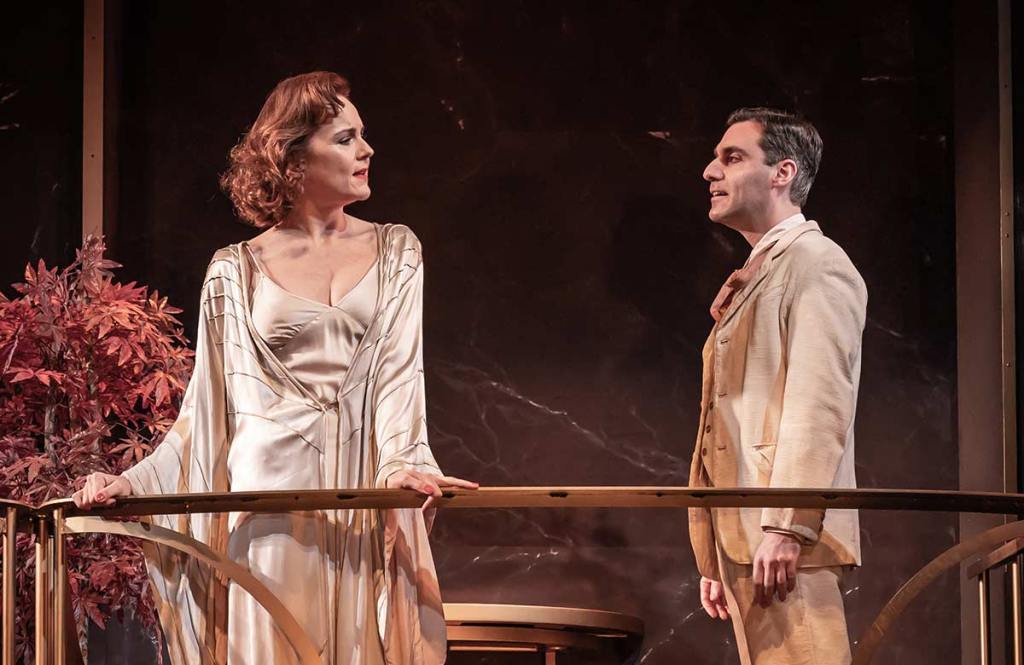
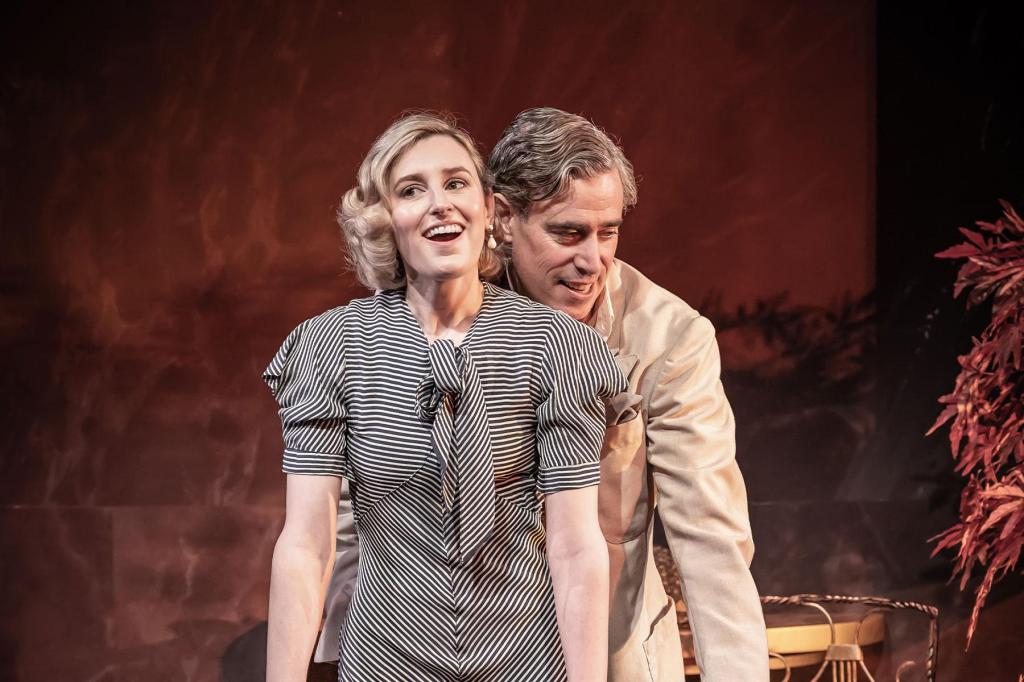
Michael drew attention to Hildegard Becthler’s designs. The colour palette of the production was based on sepia-tinted photographs of the period (note the detail in Sibyl’s costume in the last act). He added that visiting Hildegard’s home is like visiting a palace; every chair is a masterpiece.
A visitor from New Yorker commented that this was the most entertaining play he had ever seen – but how taxing is it for the actors? Stephen had pulled a pectoral muscle in rehearsal, and laughingly complained that Rachael had bitten lumps out of his arm. And he was pleased that he had caught the olive that she throws to him in his mouth 14 times out of 20 (so far).
In the first act act, Amanda weeps softly on hearing a love song that she and Elyot had shared. “Strange how potent cheap music is,” she comments, to cover up her tears. And like the song, the play is potent – but never cheap.
09/04/23 Mike writes –
How well behaved are you?
It all began with an article in the Guardian by a front-of-house theatre worker complaining about the behaviour of some audience members. Then other newspapers ran with it too. It seems audience behaviour in theatres has deteriorated since Covid and the lockdown. Observations suggest audiences for ‘jukebox musicals’ are the worst. And it’s drunken women who cause the most disturbance, hen parties who have been drinking before they arrive at the theatre then continue to party during the show. We have seen it happen and now it’s happening more often. Sometimes there are male fisticuffs too. Apparently theatre staff have been accosted and spat at, and audience members have been instructed to leave.
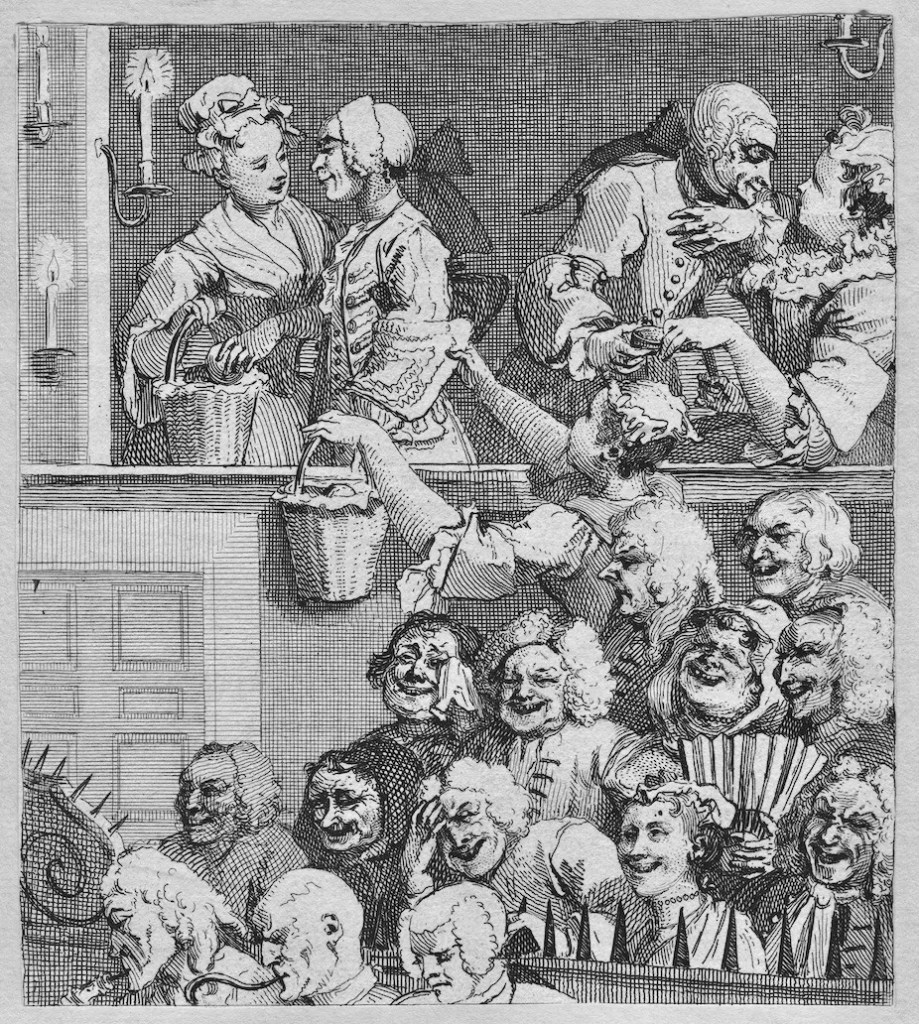

Having just seen Shirley Valentine, I can report that each seat has a QR code on the back for anyone to order “Champagne”, nothing less. And as Shirley sips wine continually, it must be tempting to follow her example. Audiences may want to toast an appealing performance and a revival of a well-writen play, but not during the show. We better keep a caring eye on you!
Noisy boxes of Maltesers used to be the bane of the Stalls, now its sealed packets of sweets, impossible to open quietly, if at all. And have you noticed those who want to have their phones on continually, to check regularly during the performance. Better they stayed at home – the screen-light is distracting for everyone, including those on stage.
Let’s turn the clock back a few years. At one time we were not allowed to take glasses of wine into the auditorium unless it was transferred to a plastic beaker. That has now changed. We must cut back on the use of plastic, so now glasses can be taken into a show provided the alcohol is bought in the theatre bar. At a recent performance of the grim James Norton ‘male-nudity/self-harm’ play, glasses of white wine were being consumed everywhere. A stronger beverage would have been understandable. Also, a few years ago, some theatres began to give their audiences a menu for ordering food and drink on their phones, from the bar, for delivery to their seats. Oh dear, that was asking for trouble. Since lockdown, that mad idea seems to have been curtailed, or was the Shirley champagne going to be delivered to the phone-owner’s seat? Shurely not!
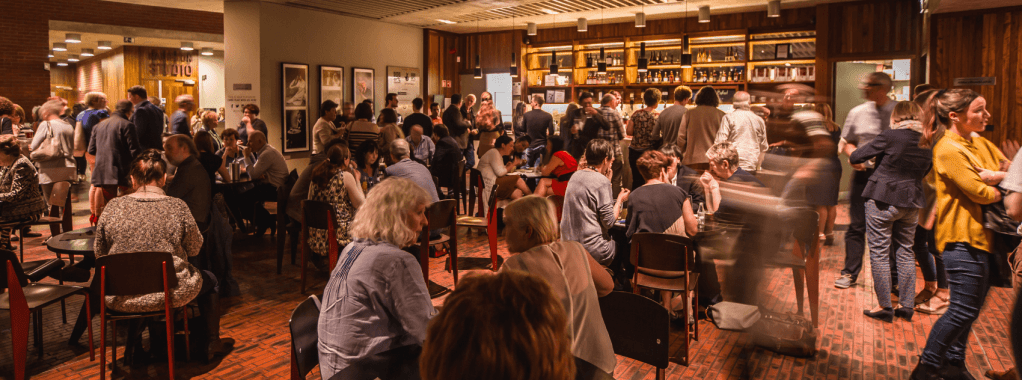
Is audience behaviour getting worse since Covid? Prices have gone up, for sure. Does payment buy entitlement….to behave badly? Some people may want to bring their own refreshments to avoid bar prices, but theatres don’t allow alcohol to be brought into the building. We often complain about bag-checks delaying us as we enter but staff are now checking, not for bombs but for illicit drinks being smuggled in. Some bring in smelly take-aways too. A while back, one of our Group was stopped taking a can of pick-me-up G&T into a theatre, so she drank it on the spot – better inside than out! But with all the checks happening now, how are illicit treats smuggled in? We hear of feminine wiles. I’m sure men must have wiles too. Remember that bar takings are an important part of a theatre’s effort to cover it’s costs.
Is there really a show-type that encourages audience disturbances? We once had three cheerful young women sitting behind us at Dirty Dancing who joined in the songs and insisted on leaning over our shoulders to tell us what happens next – of course they had seen the show and film many times and were there to have fun once more. An attendant remonstrated with them and eventually they left of their own accord. Their sense of fun had evaporated or perhaps they needed a gender neutral loo. Staff hate working on this show because of troublesome audience members. This happened BC, Before Covid, so it happens more frequently now. On a more recent occasion, four middle-aged women arrived tipsy to see Grease, talked noisily throughout the first half, retired to the bar in the Interval, staggered back to their seats….and were ordered to leave the theatre before the second half began. A relief all round. But maybe a symbol of ‘a good time’ for them.
Putting the wine aside, why water bottles? I cannot understand why some have to sip throughout a show “to keep hydrated”. Surly they can sit still without a swig for just one Act of anything. Water bottles are allowed, so I guess some replace Highland Spring with Smirnoff.
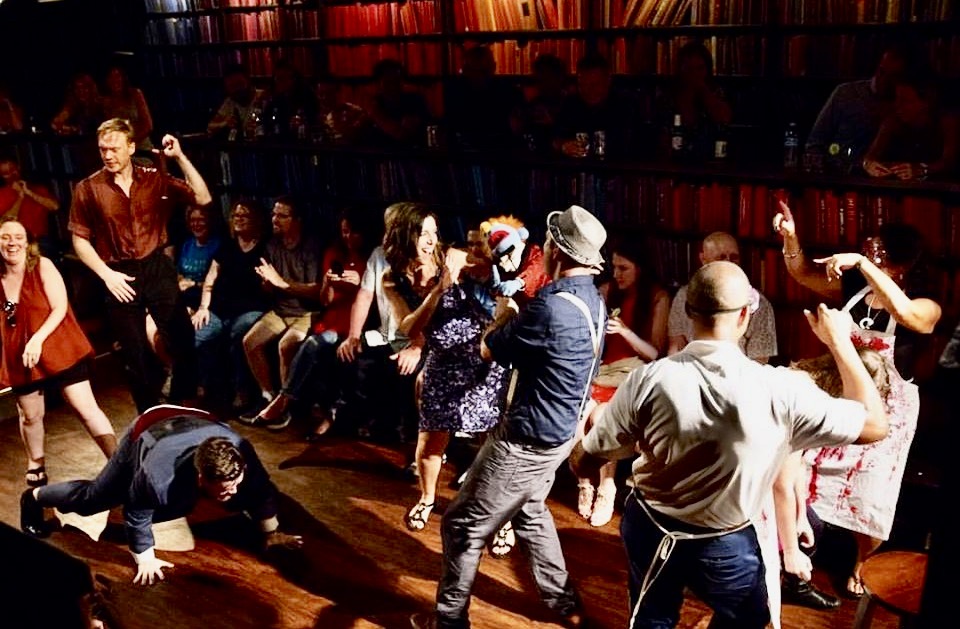
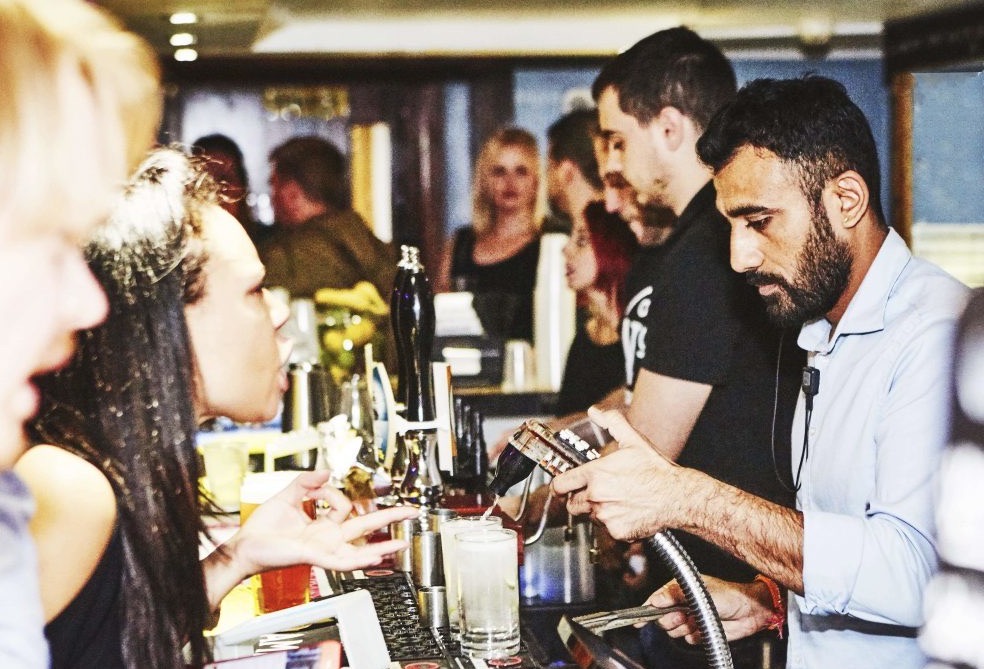
In New York, Off Off Broadway, there’s an immersive theatre experience called Drunk Shakespeare. Yes, it’s a Shakespeare show where you can drink, the actors can drink, and everyone can join Macbeth at the hostelry for a rowdy romp with inebriated actors. Yes, really! It’s so popular it’s being franchised around the US. Whatever happens in America happens here next.
In fact it’s happening already. This summer the Leicester Square Theatre hosts Sh!t-faced Shakespeare: Much Ado About Nothing, which (and I quote) “is an adult show for big sensible grownups and therefore contains rude stuff!”. “A bucket load of booze” is promised so maybe there’s an excuse for rudery. And currently at the Arts Theatre there’s The Choir of Man – “Music, mates and good times…offering you a pint down at the best pub in the world. Book for the ultimate night out” they say. Encourage that audience to a theatre and they expect to behave the same way at other theatres – there’s no excuse for drunken behaviour at legit shows, musical or not.
A new production hits the West End in May – “Idiots Assemble; Spitting Image the Musical” with its cast of pupets. The tag line is “Like a big West End Show but without the boring bits”. Is that what today’s audience wants? And with a bar.
Arifa Akbar, the theatre critic, writing in the Guardian last month (here’s a LINK) suggests that complaints about audience behaviour could be just “class snobbery and cultural elitism” – theatre is a collective experience, and we should accept behaviour different from our own. She says “theatre is a group activity and there will always be other people’s noise in any collective space.” She adds “As someone of South Asian heritage, I know that encouraging interjections from the audience is welcomed by performers during poetry readings in Pakistan.” She suggests, we should not complain about the “kind of people who eat popcorn while watching the Ring cycle”. Is that a valid point? Akbar (again) tells of a teenager alternately reading from his phone and attentively watching the play . It was Shakespeare. “This is how young people consume culture” and “his phone’s tiny light did not impinge my enjoyment” she says. So that’s OK then. No, it is not!
Today (8/04/23 – here’s the LINK) the same paper reports on the musical The Bodyguard being curtailed in Manchester when “audience members refused to stop singing along….police (were) called and disruptive theatregoers removed.”
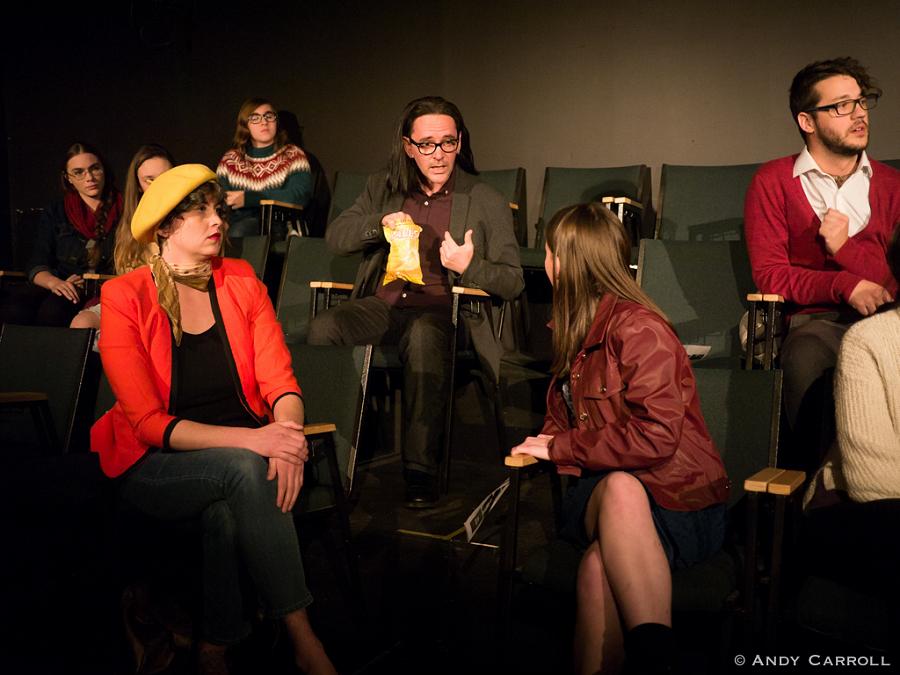

What etiquette? Photos from the play “Appropriate Audience Behaviour”
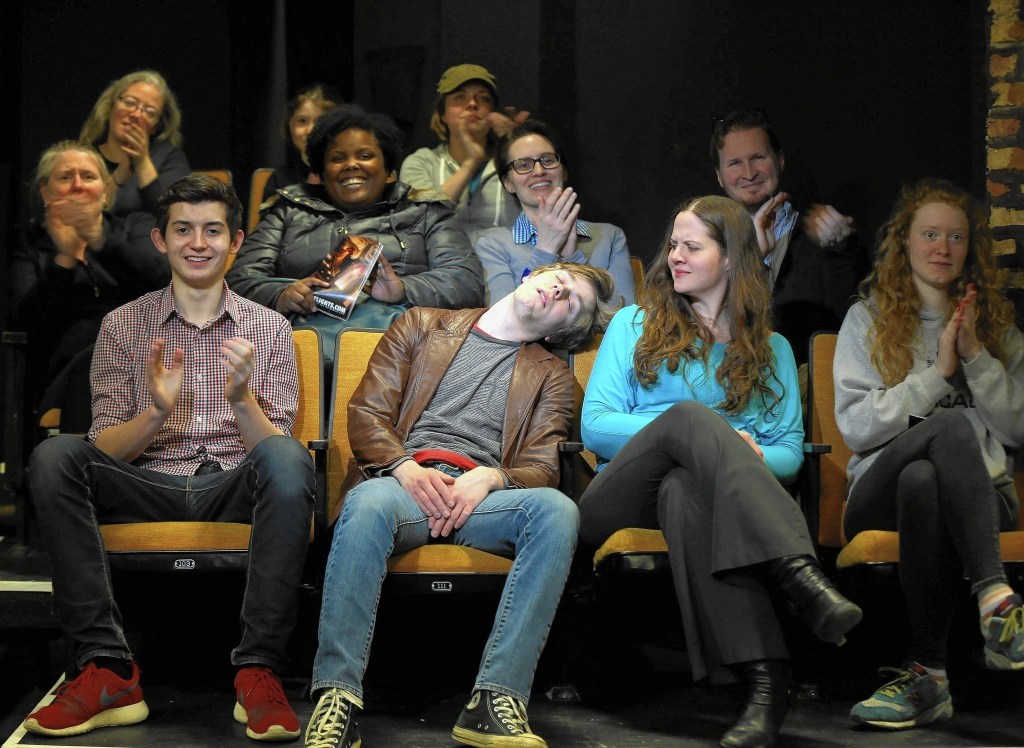
Nick Curtis in the Evening Standard reported another viewport. A specialist in audience research, Dr Kirsty Sedgman, says audience demographics are changing, particularly so since lockdown. Theatres are striving to attract a wider representation of the prospective audience range to avoid accusations of elitism. That may be good in itself but it brings theatre etiquette into focus and puts “the traditional (older, white, wealthier) audience” on the defensive. “The ubiquity of mobile phones and the way social media has both accelerated and debased debate have broken the unspoken contract that existed in theatre. We have got used to recording every event and aggressively expressing every thought immediately.” Some frown at such behaviour. Let me know what you think.
Of course there are limits to observe. The problem is one person’s ‘you are irritating me’ is another’s dismissive ‘that’s your problem!’. I like to do it my way and quote Shakespeare – “The play’s the thing”. Any show is best experienced straight, sober, without additional embellishments. Of course I have to admit that in Will’s day audiences expected to heckle actors, enjoy a pot of ale, suck oranges, behave as they would in the market place. Are we now returning to those ways, all because we were locked down for a while and now want freedom to be selfish, ignorant, and ignore our neighbours’ sensibilities? Let’s hope not. Theatre is a communal experience so let’s all enjoy it together. Now, on with the show and out with the tipple.
07/03/23 Mike writes –
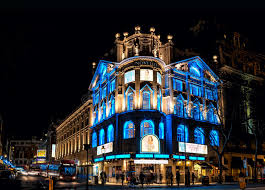
Mamma Mia ! , I exclaim – you HAVE to watch this video! Fans or not of the show, you will never have seen the inside of the Novello Theatre like this before. Take a bird’s eye view, soar around the rehearsal in progress, into the auditorium, backstage, the dressing rooms, and never touch the ground. It’s immersive!
Drone, steadicam, or just damn clever filming – do watch it.
Click on the picture of the Novello and go straight into the theatre…..
20/02/23 Mike writes –
It’s Dynamic!
We always try to offer you a discount on theatre tickets but some theatres are more generous than others. And some use sleight of hand pricing tricks. When we booked your seats for Moulin Rouge we asked what discount we were being given. Our seats are £67 but to buy those individual seats in the mid-price range yourself, it would cost you £85…..for now. We were told that that box-office price could be increased later. It’s called Dynamic Pricing. I call it Deceitful Pricing.
Many theatres do it. Every theatre has specific price bands, but they are flexible. If a show sells well, the more expensive price bands will be extended to cover less expensive seats. Or prices may just be increased. Those £85 seats for Moulin Rouge (only £67 to you) could be increased later to £89 or £99, the other mid-priced bands. The Moulin Rouge top price is currently (February 2023) £175 and all prices will rise for the summer season.
Another trick when you book is tickets being withheld from sale. You check the seating plan and find few seats are available, so you book quickly to ensure you don’t miss out. Then later, abracadabra, more seats magically appear. Of course it’s not magic. Some seats can be hidden by the Box Office and then put on sale later. Sometimes cheaper seats are held back to promote the expensive ones. As an example I was recently emailed to be told that, for Cabaret, more tickets had been made available for certain performances. Where had they been hiding? Well, either they had previously been withheld from sale or, and here’s another possibility, they had been returned by Ticket Agencies which had not sold them. It is customary for agencies to periodically return their unsold allocation of tickets and then maybe apply for a new allocation.
All this is to encourage punters to pay a higher price. To be fair, I should suggest that the early bird catches the worm, or the early booker bags the better seats. It applies to us too – book with us early when we can accommodate requests more easily. And befor eprices rise.
Should you need to book theatre tickets for yourself, not with Fredo’s Theatre Group, I guess most of you would try an online agency first. Agencies have to charge booking fees to cover their own costs and make a profit too. These extra charges can only be avoided by booking at a theatre’s Box Office. But agency fees vary, and you want to buy as economically as possible, don’t you? Your first port of call should always be the agency associated with a particular theatre’s owner – for example Delfont Mackintosh, Nimax Theatres , Ambassadors Theatre Group, or Lloyd Webber Theatres. They charge the lowest extras. There are only a few independent theatres and they are best booked direct.
But also there are other agencies, unconnected to specific theatres, with names such as Box Office, London Theatre and Theatre Direct. They cover most theatres but will often charge higher prices. You will want to look elsewhere unless, of course, they have the only seats left and you are prepared to pay the highest price. Yes, I know it’s complicated, so….
On our website’s LINKS page I have listed details of which theatres are associated with which owner/agencies – it will save you money to book with these agencies. But it wont save you as much as booking with us!
14/02/23 Mike writes
Actor Awards go gender-neutral

The theatre awards season is here again and first off, setting the trend, are the WhatsOnStage Awards (voted for by the on-line public). This year there are no Best Actor or Best Actress awards as we must not think of actors as Men and Women, they are just Performers. This leads us to the headline in my newspaper – “Female talent sweeps board in gender-neutral theatre awards.”
So no male actor was worth an award this year? Untrue! It has been left to Joe Locke (Best Professional Debut in The Trials at the Donmar) to represent male achievement in the acting stakes, while women (winners in Best Performance and Best Supporting Performance in both Plays and Musicals categories) look as if they have reaped the benefit of political persuasion and positive discrimination.
My reasoning: when awards are gender-neutral there will always be a significant minority that will be influenced, for or against, by gender trends and vocal activism, and maybe sway the balance ignoring talent. It happened in the Brits (no female nominees) and now the pendulum has swung the other way in these awards. A ricocheting pendulum, as changeable as the weather, benefits no-one of any gender.
I see in the Times poll that about three quarters of us still want gender specific awards, and yet Theatre seems determined to pander to the tiniest minority (the non-binary) whose only contender for any award this year must surely be Emma Corrin in Orlando. They gave an exceptional performance but certainly not worth blinding us to the gender of other contenders.
Jodie Comer won her award for Best Performer in a Play (Prima Facie, the powerful monologue), and she certainly deserved a Best Actress Award. But does no male actor equal her performance, deserve an award too? In this Age of Equality it seems some can be pushed ahead in the equality stakes. You may think I’m wrong, but only awards for different genders can avoid such unfair anomalies. .
31/01/23 Mike writes –
The Survey: the results

The results are in, as they say, and we have had an interesting response to our Survey. Thank you to everyone who replied – we are grateful to you for your answers. We sent the survey to a random but large number of Group members and received about a 50% response from those who we presume are our most keen theatregoers.
Since the lockdown most of you who replied have joined us at the theatre on several occasions. We have a lot of long-timers – 40% of you have been coming with us for more than ten years, Two thirds of you like plays, both new and classic, and three quarters love musicals. No surprise there! Unfortunately, I forgot to ask about opera and ballet, but already 34 have booked for the upcoming visit to Covent Garden for the ballet Woolf Works.
We asked your preference between Evening or Matinee performances, both received a quarter of votes but half said they had no preference.
With the rising prices of theatre tickets and coaches, it was good to know half of you would pay up to £80 for a ticket+coach, a third would pay £80 for ticket-only and £100 with coach, and many would pay more for a special event. Understandably, half of you regard discounted prices as ‘Quite important’ and over 80% want to keep joining us at least as much as in the past. Those who didn’t reply may not.
There was a surprise when we asked who would still buy discounted tickets if you had to find your own way to the theatre without a coach. Of course many London members of the Group do this already, but the total response was about half and half, for Would and Wouldn’t; it was a Brexit split! Less surprisingly, 60% of you visit a theatre mostly with the group and 13% only with the Group.
It’s really good to know that the half of you that responded to the Survey still want to keep coming. The other half…well, perhaps you don’t like answering Questionnaires…but we hope all of you will feel like joining us again soon. However, we know numbers are not what they used to be. We need at least 30 of you to make a coach financially viable, and at least 10 or sometimes 20 to obtain a group discount. The Survey has been a great help, and an eye-opener, to us in deciding what we can offer you in these challenging times.
If you would like to response to our findings, please do email us or give us your thoughts on the YourComments (publicly) or Contact (just to us) pages of the website. We do read them all.
Here are the questions and your percentage answers –
Q1. In 2021 and 2022 (with limited opportunity due to lockdown) we organised 40 theatre visits. How often have you joined us on a theatre visit in the last TWO years?
Once or Twice 37%
More frequently 45%
Not at all 13%
Q2. What type of shows do you prefer? Tick as many as you like.
Classic play rvivals 65%
New plays 66%
Musicals 76%
Comedies 50%
Concerts 49%
Q3. Do you prefer Matinee or Evening performances?
Evening 25%
Matinee 25%
No prefernce 50%
Q4. How long have you been a member of Fredo’s Theatre Group.
Less than 5 years 17%
Between 5 and 10 years 30%
More than 10 years 40%
I have not booked with you yet 13%
Q5, Ticket prices are rising. Most Top Price West End seats are now around £100/£150. We try to keep prices affordable for Stalls or First Circle seats by offering Group or Senior Discounts, or a cheaper price band. We also support the cheaper OffWestEnd theatres like the Donmar, Almeida and Hampstead. Please tell us your MAXIMUM budget per theatre visit (with/without coach)
Maximum £60/£40 with/without coach 17%
Maximum £80/£60 with/without coach 30%
Maximum £100/£80 with/without coach 40%
Sometimes more for special occasions 13%
Q6. We try to offer you Group discounted tickets whenever possible. The discounts vary from a few pounds to about half the price. They are only available on Mondays to Thursdays. How important is it to you to be able to buy the tickets we offer you at a discount?
Very important 33%
Quite important 51%
Not so important 14%
Not at all 2%
Q7. In the NEXT twelve months, are you likely to join us on theatre visits more or less frequently?
More frequently 33%
Less frequently 4%
About the same 51%
Don’tknow 12%
Q8. We need about 30 members using our coaches to make a theatre visit by coach viable. We are considering offering occasional theatre visits with discounts for smaller groups, but WITHOUT coach travel (Minimum 10 people). You would have to make your own way to and from the theatre. Is this an option you would consider?
Yes 52%
No 48%
Q9. We would like to know how often you arrange to visit a theatre yourself, without the discount and convenience of Fredo’s Theatre Group. Please tick appropriate box below.
I most often visit theatres WITHOUT the Group 27%
Most of my theatre visits are WITH the Group 60%
I ONLY visit theatres WITH the Group 13%
Q10. Some of you have memberships of theatre mailing lists. Please tell us which theatres you are a member of, apart from Fredo’s Theatre Group, of course!
DonmarWarehouse 13%
NationalTheatre 29%
Almeida 11%
Hampstead 4%
Old Vic 4%
English National Opera/Royal Opera House 16%
NOTE: Some percetages do not add up to 100% as some questions had multiple answers. A big THANK YOU to everyone who took part.
30/01/23 Mike writes –
What was that you said?

I said it last July
but here’s another reminder –
Sometimes, at the theatre, I cannot always hear what the actors are saying. Maybe you have the same problem. Many reasons – acoustics, natural speaking, poor projection, distant voices, set design, overlapping sound, stage direction, all of these reasons – or is it just me? Others hear, no problem, no complaints. It didn’t used to happen, I tell myself, so what has changed?
The most obvious reason is that I have changed, I have grown older. Certain frequencies, lighter tones, I cannot hear so well as in the past. In face-to-face conversation I can both listen and lipread but not in a theatre, especially if actors are not facing me or speaking quickly. I’m sure I’m not alone. What’s to be done?
We can look for reasons in us or the theatre, but really it’s not the reasons that matter but the solution to the problem. And there is an obvious solution. I can use a theatre’s free hearing devices. Most theatres have them on request. I have found most gadgets work like magic with distant actors talking right into my ear, better than normal conversation. And so I am adding a sticky note to my theatre tickets to remind me – ask for a hearing device at the theatre before the performance. I may not need it, but if I do it’s there for me and I have no reason to complain afterwards.
If you have a similar problem, and I suspect many of you have, do what I do and then let’s enjoy our theatre visits even more.
18/01/23 Fredo writes –
TROUBLING THE MAGNOLIAS –
A report on a Q&A with the cast of Watch on the Rhine
They’re a symbol of peace and contentment, those white magnolias that line the boulevards in Washington. They’re also a symbol of complacency, and in Lillian Hellman’s 1941 play Watch on the Rhine, they symbolize narrow horizons. Mike and I attended the Director’s Forum performance to find out more.
Hellman made a career of troubling the magnolias, in her plays The Little Foxes, The Children’s Hour and The Searching Wind. Her chosen style as a playwright embraces melodrama – emotions are heightened, scenes are resolved with an edge-of-seat climax. Does this mean that her plays are now dusty relics from a bygone age, the Literary Manager of the Donmar asked the cast.
The visiting German actor Mark Waschke suggested he should ask the audience: had we found any relevance in what might seem like an old-fashioned, well-made play? The response was that the audience had found the impact of the play overwhelming. John Light added that he had read the play when he was called to audition for it with some ambivalence: yes, of course he wanted the job, but he also thought it was very much a play that should be put on.
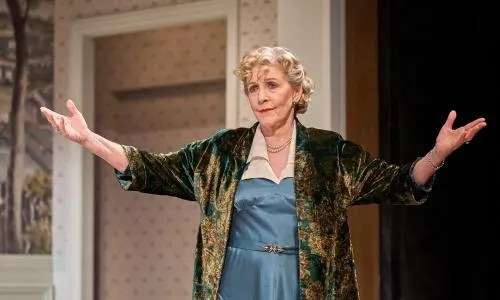
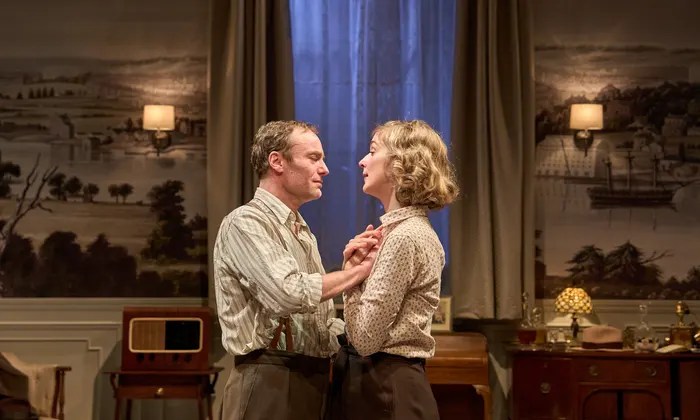
Patricia Hodge, who plays the leading role of the liberal-minded matriarch, said that she hadn’t heard of the play, but was interested as it was written by Lillian Hellman. She considered, given the world situation and movement of refugees, that the revival was timely, and this is not a play that can be put on at any old time. It can’t be done without reflecting what is happening at the moment. And if it is being staged, the best way to do it is at a theatre like the Donmar, where the audience is not protected from the action by a proscenium arch.
As the play is set in the 40s before America entered the war, the actors needed tuition in the political situation in both Germany and the USA. Carlyss Peer described how Cambridge academics had lectured them on the period, and how the director Ellen McDougall had given them research exercises to carry out. She and John had to find photographs of all the real-life people mentioned in the text. However, Tamar Laniado, one of the child actors, confided that her favourite moment in rehearsal was baking cookies (she’s mastered the art!).


Mark, a leading actor in his native Germany and at the renowned Schaubuhne in Berlin, recalled being involved in anti-Fascist movements when he was a teenager, and he could therefore relate to the play’s theme of where does responsibility start? Like another recent visitor, Miri Misika in The Band’s Visit, he found rehearsing a play in this country very different from his previous experience. It appears that European directors are , well, more directive. In this country, more artistic input is invited from the company, and this licence is liberating for the actors. Tamar and her “brother”, young Finley Glasgow, agreed: the crucial moment when the family arrive from Germany has been staged and restaged since the first rehearsals. As Patricia said, every moment is crafted by the collective, and of course needs time to ripen. She also revealed that a professor of history, tutoring the cast, confided that he could not imagine “this old war horse of a play’ working on stage today. Then he came to see it and was moved to tears at the end!
Lillian Hellman was and always will be a controversial figure who divides opinion over the worth of her dramas. But, Patricia pointed out, at the end of the day she’s telling a fictional story. The consensus was that this is a powerful one, and once again has found its moment at the Donmar.
 theatreguys